404 George Street in Seton Hill up for auction next Thursday – Update: House under contract, auction cancelled

Update –January 6, 2015: We just confirmed with Ashland Auction that 404 George Street is now under contract and the auction is cancelled. We plan to share additional information about the new owner and their plans for the building when we learn more. Thank you to everyone who helped spread the word!

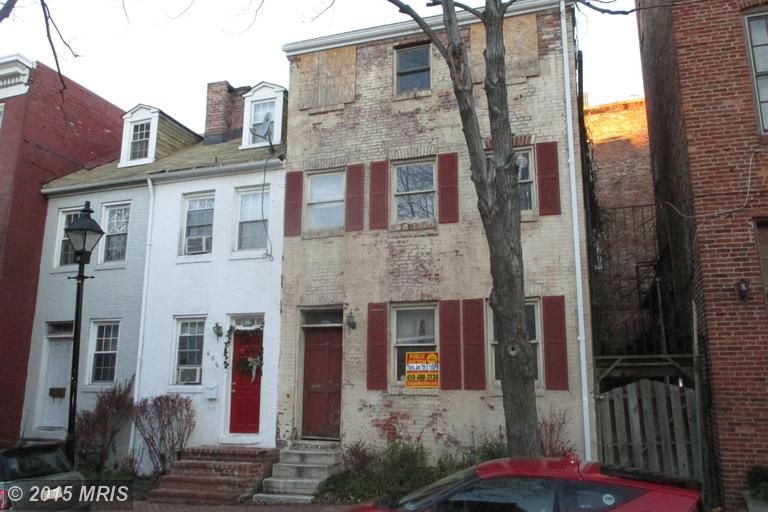
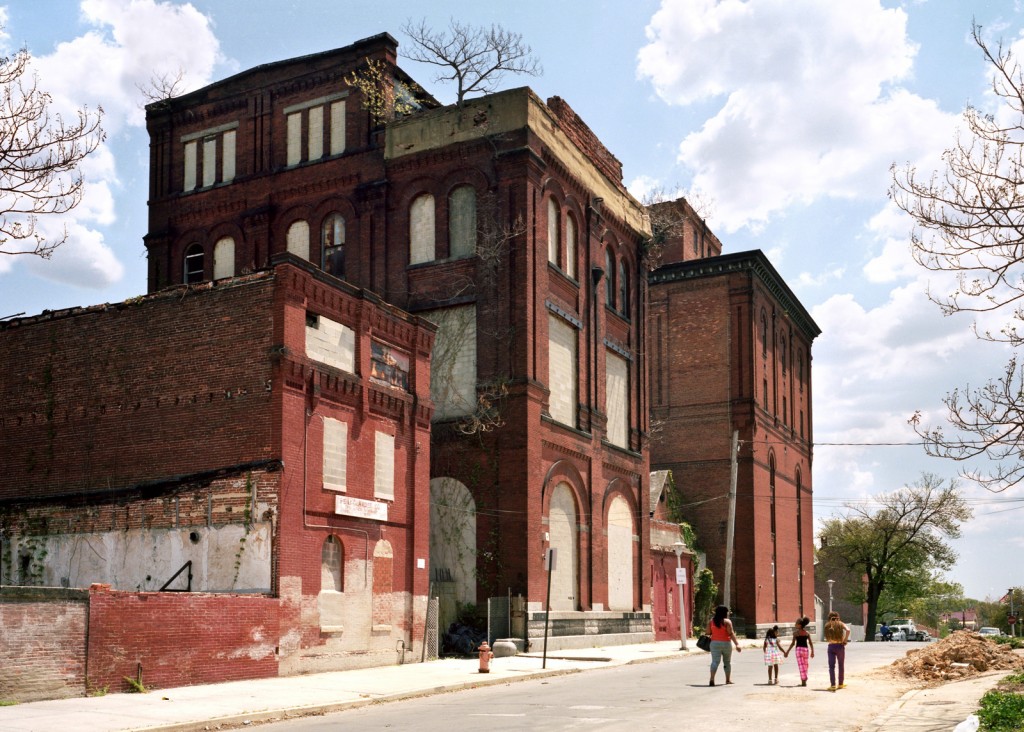
Tucked away on a narrow street, 404 George Street has had our attention since concerned neighbors first contacted us in 2012 about this three-story rowhouse in Seton Hill. Next Thursday, January 7, the building is up for auction—offering a unique opportunity to buy a historic house just steps away from the famed Mother Seton House.

In July 2012, local residents pushed Baltimore Housing to file a receivership case against the owner who held the building since 1986. Receivership is a process where a municipality or a qualified non-profit applies for a court to appoint them as the receiver of the property and move to restore the property to use.
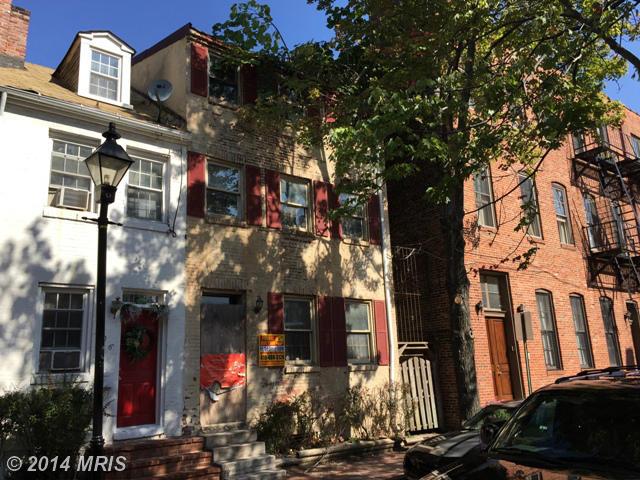
Courtesy MRIS, 2014.

Unfortunately, years of neglect took a toll on the structure. At the first auction in October 2014, the 404 George Street received no bids from interested buyers. Thankfully, Baltimore Housing quickly responded and stabilized the building to make the property more attractive to prospective developers. Stabilizing distressed vacant houses is a key strategy for encouraging private reinvestment and is often more cost-effective than demolition.

On Thursday, January 7 at 1:00 pm, 404 George Street is up for auction again. If you are a local builder, developer or an enthusiastic home rehabber, we invite you to come out next Thursday and invest in this beautiful community. If you are a neighbor, we need you to help spread the word!

Built in the 19th century, 404 George Street is less than a block away from the Mother Seton House and St. Mary’s Seminary Chapel—an 1808 landmark designed by architect Maximilian Godefroy. St. Mary’s Park boasts a recently restored fountain and won recognition from Baltimore City Paper as the city’s best park in 2014. The 2012 master plan for Seton Hill has much more information on the neighborhood. Of course, the property is eligible for city and state historic tax credits—review our historic tax credit guide for more details.

Please help make 2016 the year that the vacant house at 404 George Street turns back into a home.
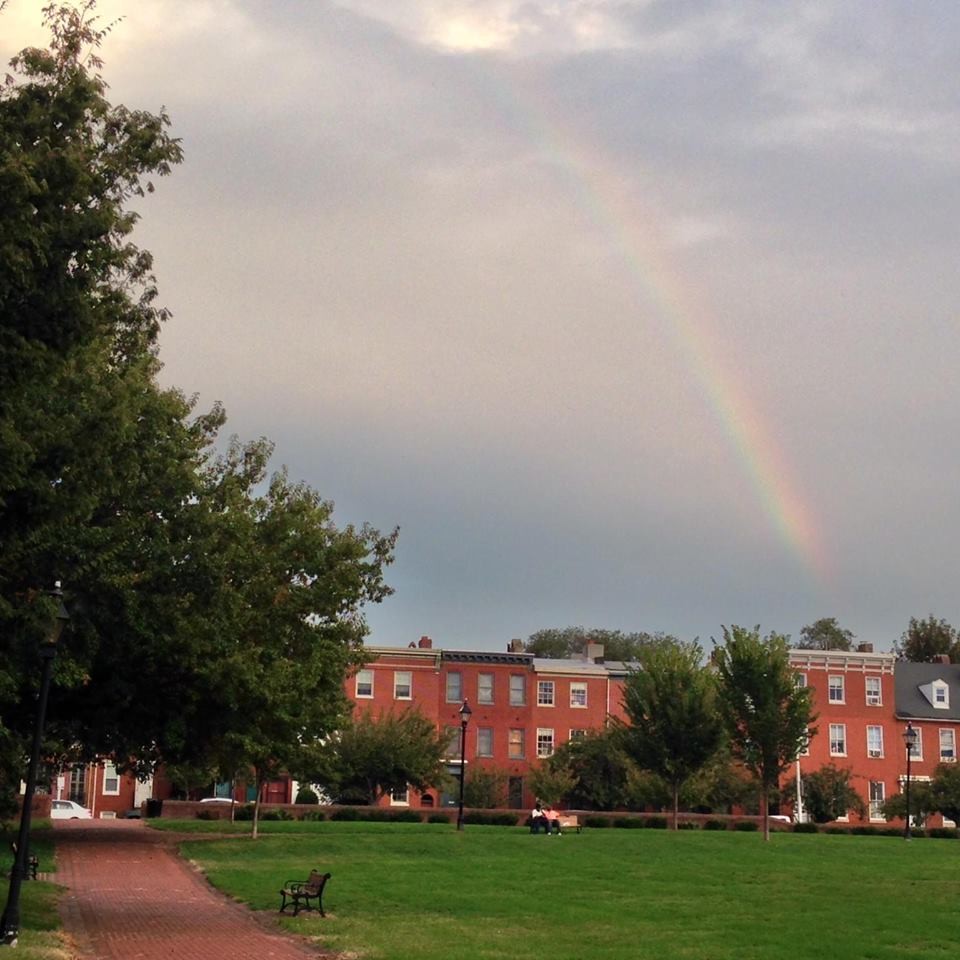
St. Mary's Park. Courtesy Live Baltimore.
St. Mary’s Park. Courtesy Live Baltimore.

Learn more about 404 George Street and the auction process from the Ashland Auction Group. For questions or more information, contact auctioneer Adam Shpritz by phone at 410-365-3595 (cell) or 410-488-3124 (office) or by email at adam@ashlandauction.com. Bids start at $30,000. Pre-bid offers are accepted by phone at 410-488-3124 or by email to adam@ashlandauction.com.
Last chance to renew your support in 2015!

With just hours left in 2015, we still need your support. Our members, volunteers, and partners made 2015 a remarkable year for preservation in Baltimore. You can help us make 2016 even better. Please become a member for the very first time or renew your generous support today.

Donate now

As the new year begins, we also invite you to join us for a few fun tours, walks, and community events organized by our friends and partners:

  • Druid Hill Park First Day Hike, January 1, 2016, 9:00 am to 11:00 am: Start a new tradition on New Year’s Day by starting the year off on the right foot, left foot or any foot. Join the Friends of Druid Hill Park for their 2nd Annual First Day Hike in Druid Hill Park! – $10 per person
  • Historic Lauraville Walking Tour, January 2, 2016, 2:00 pm: Join the Northeast Baltimore History Roundtable and Eric Holcomb for a historic walking tour in Lauraville starting at Zeke’s Cafe.
  • Herring Run Archaeology Hike, January 3, 2016, 2:00 pm: Meet at Hall Springs on Sunday afternoon to join local archaeologists, Lisa Kraus and Jason Shellenhamer for a hike in the Herring Run ending at Zeke’s Cafe.
  • Preservation Town Hall: Baltimore, January 4, 2016, 6:30 pm: Join Preservation Maryland at this open, town hall-style meeting to learn about local, state and federal advocacy efforts to help save places that matter and how you can be a force for reinvestment and redevelopment. RSVP on Facebook!

Thank you to everyone who supported Baltimore Heritage in 2015. We hope you have a happy beginning to the new year and that we see you soon in 2016.

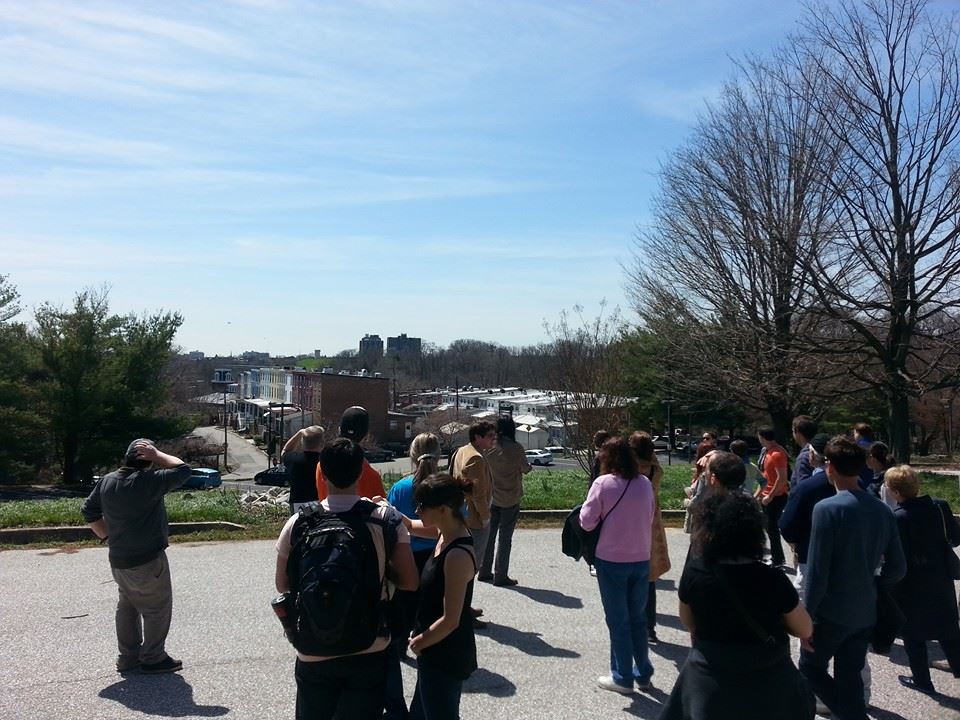
Photograph courtesy Alex Fox, 2015 April 12.
Stone Hill Walking Tour. Photograph courtesy Alex Fox, 2015 April 12.

Explore Baltimore Heritage 101 teaches you how to discover and share stories of historic places

In January 2016, Baltimore Heritage is offering a free course—Explore Baltimore Heritage 101—designed to teach local residents how to research, write and share the stories of historic places in their communities. The course is going to cover four main themes:

  1. Research: How to use digital sources to learn about local history and architecture
  2. Writing: How to write about historic places for local audiences
  3. Visuals: How to combine writing with maps, photos, and graphics
  4. Outreach: How to reach local audiences with online engagement and public programs

Our goal is not to make you an “expert” on Baltimore history. Instead, we want to help you become a better researcher, writer, historian and teacher. Explore Baltimore Heritage 101 is an opportunity to connect with friends and neighbors who share an interest in the stories of Baltimore’s historic buildings and neighborhoods.

Please sign up to hear more about Explore Baltimore Heritage 101—we expect to publish the course schedule and open registration soon!

Over the course of five class sessions, we plan to guide a group of students through the process of sharing a story about a historic place including the opportunity to publish a story on our Explore Baltimore Heritage website and app.

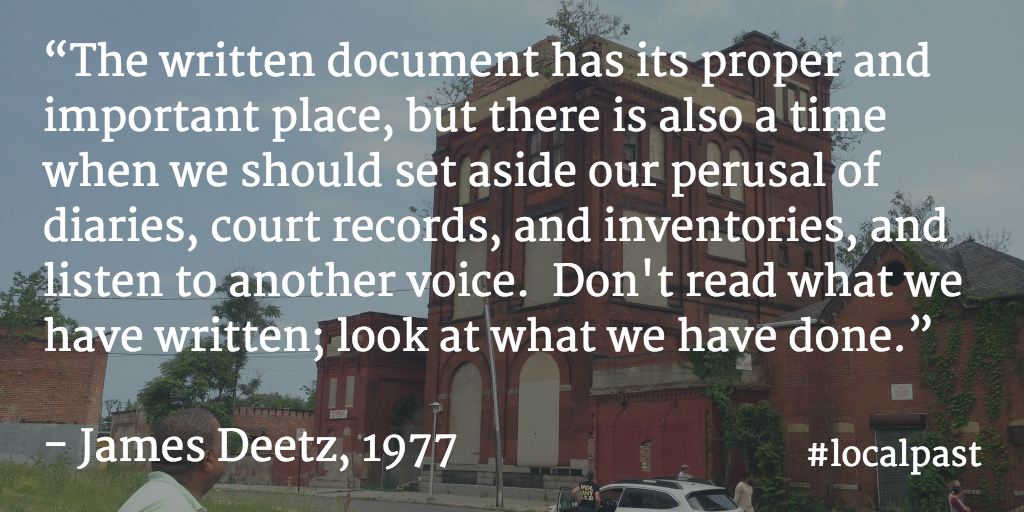
Dr. James Deetz (1977)

We know you and your community have stories to share. Important stories are found everywhere around us—in parks, public art, rowhouses and schools. And good stories about places are really about people. Historian Eric Sandweiss explained it neatly:

“[the history of a city street] means little if it’s not tied to the story of the farmer who sold the land, the developer who bought it from him, the families who campaigned to have it paved, the men who laid the asphalt, or the children who rode their bikes on it.”

By empowering you to connect stories from the past with places found in your neighborhood today, we know we are helping you to build a stronger future for Baltimore. Supporting local residents like you is our central goal for the Local Preservation School—our new experiment in online education funded by the National Park Service. This winter class is our first step in creating free open online educational resources that people across the United States can use to get more involved with saving historic places in their own communities.

Even if you can’t join is for our class this winter, we invite you to subscribe to the Local Preservation School newsletter, follow @localpast on Twitter, share links or comments with the #localpast hashtag, or get in touch with your questions or suggestions.

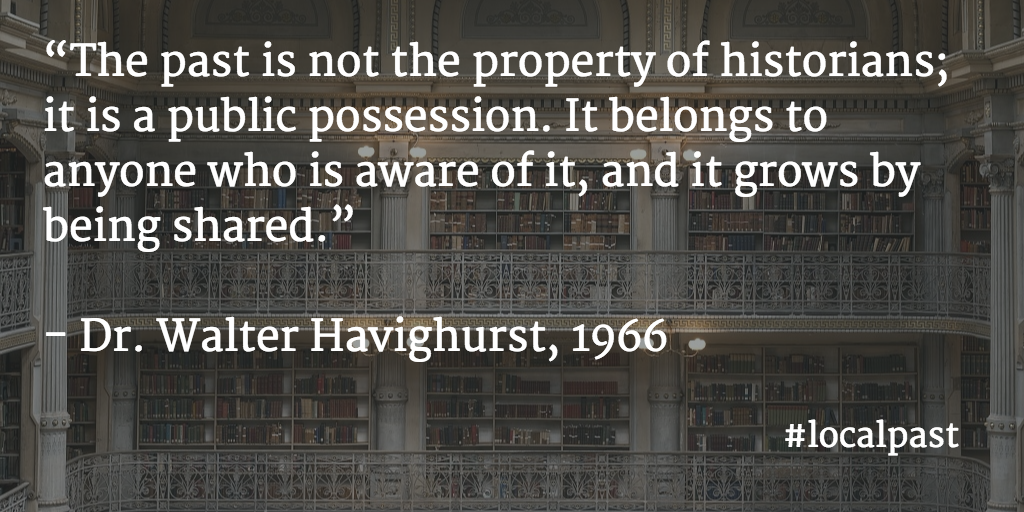
"The past is not the property of historians; it is a public possession. It belongs to anyone who is aware of it, and it grows by being shared."

P.S. Thanks to everyone who has already completed our course planning survey. The survey is still open for responses so please share your comments and help us put together a great class this winter!

Happy Holidays from Baltimore Heritage

On behalf of Baltimore Heritage, I hope you are enjoying a cheerful holiday season. I am thankful for the volunteers, members, and supporters who helped us to sustain and expand Baltimore Heritage’s education and preservation programs over the past year.

Before we all start to sing Auld Lang Syne, I’d like to share a few highlights from our year in review:

  • We expanded our tours. With our new Monumental City Tours, we offered volunteer-led tours every Sunday morning from April to November from Patterson Park to the Shot Tower. And we are getting ready to do it again in 2016!
  • We celebrated heritage milestones. We welcomed the tenth family into our Centennial Homes program honoring families that have been in the same house for a century. We also organized a year-long series of Fell’s Point walking tours celebrating the 250th anniversary of the Robert Long House.
  • We documented Baltimore’s Civil Rights heritage. In partnership with the Maryland Historical Trust, our project—Looking for Landmarks from the Movement—has mapped over 200 places (from churches to rowhouses to tennis courts) associated with the Civil Rights movement in Baltimore. We are already putting this research to work with a new initiative to protect threatened Civil Rights landmarks.
Photograph by Auni Gelles, 2015 December 5.

Be sure to learn more about what we do with your support in our 2015 year in review! Thank you again to everyone who volunteered with us, joined or renewed their membership, and came out on a tour to learn more about Baltimore. If you have not contributed yet in 2015, please donate online today or send a check to 11 1/2 W. Chase Street, Baltimore, MD 21201.

I wish you a happy holiday season and I look forward to seeing you in the new year.

Department of Public Works releases final plan for Druid Hill Reservoir project

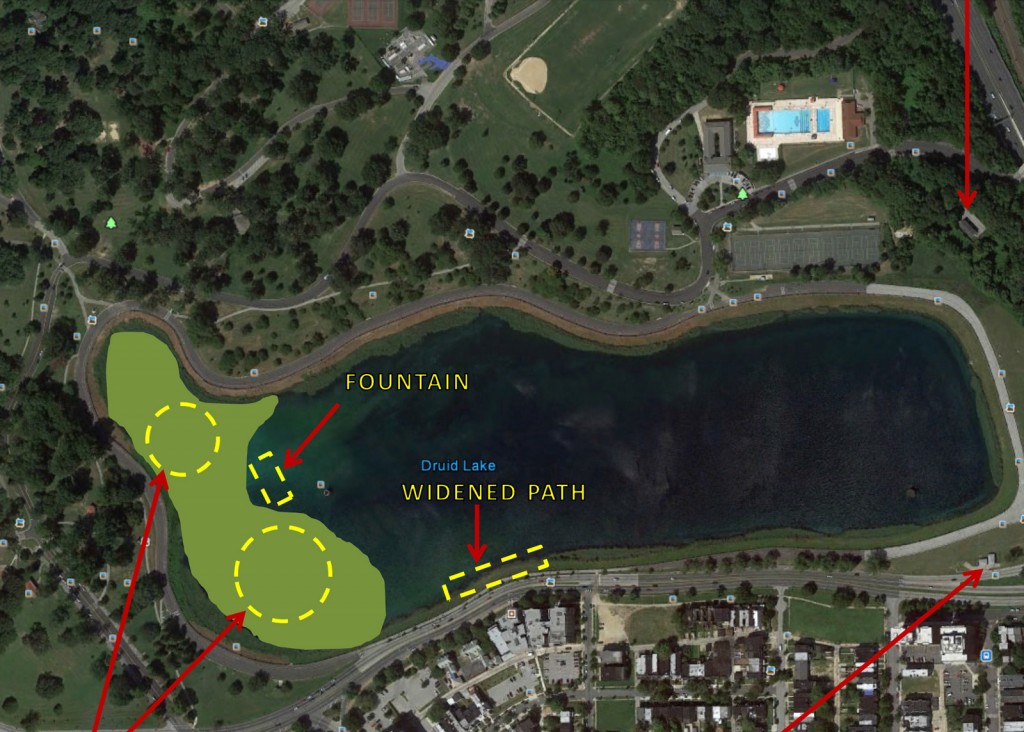
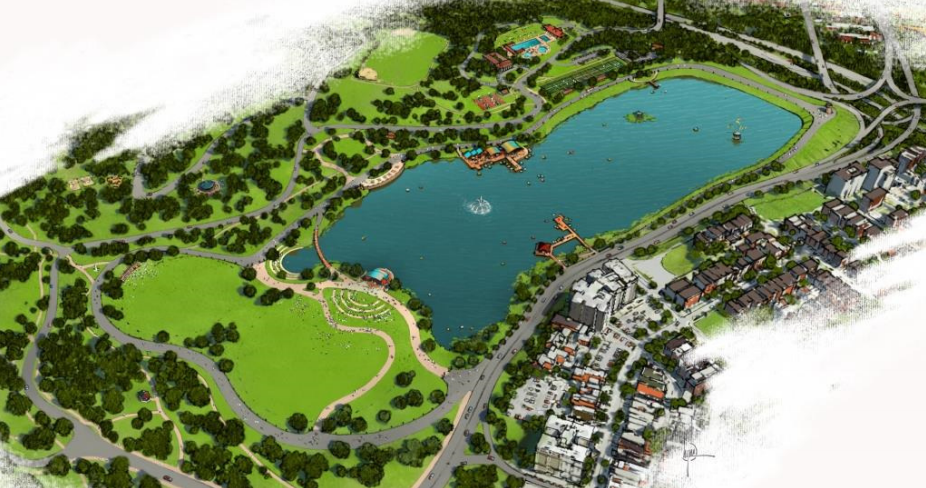
On Wednesday, the Baltimore Department of Public Works released their “100%” final plan for the Druid Hill Reservoir project. DPW is planning to install two drinking water tanks (one holding 35 million gallons and another 19 million) buried under the western third of Druid Lake. After construction, the land above the tanks would become part of the park including a new band shell. DPW plans to convert the remaining eastern part of the reservoir into a publicly accessible lake but Druid Lake would no longer be part of the city’s drinking water supply.

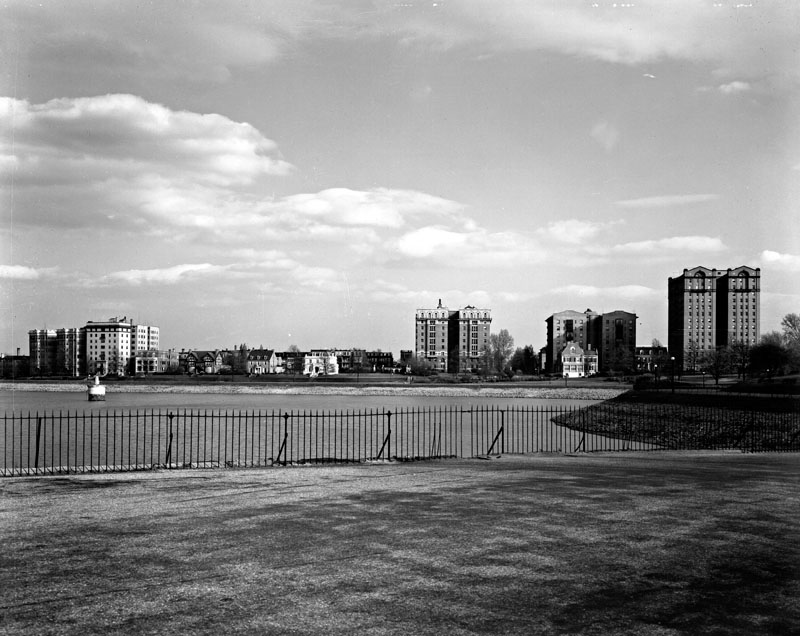
View of Druid Lake looking towards apartment houses in Reservoir Hill, 1930 April 24. Baltimore Museum of Industry, BG&E Collection, BGE.3375N

Changes to Druid Lake are required by new federal policies to improve drinking water safety and follow nearly three years of study and public meetings. With the release of this final plan, the Department of Public Works is moving forward with implementation and anticipates completing work in four to five years – 2019 or 2020.

Throughout the planning process, Baltimore Heritage worked with neighbors and the Friends of Druid Hill Park, to draw attention to issues around the treatment of the historic lake and the new configuration of Druid Hill Park. We now have answers to a few of these big questions.

What happens to the historic stone wall and iron fence around the lake?

Around the eastern area of the lake, the project plan keeps the stone wall and fence in place and repairs any deteriorated elements. Around the western area (located above the tanks), the plan keeps segments of the stone wall in place but removes all the existing ironwork. The goal of the latter changes is to make the lake accessible to the public and support new opportunities for recreational  boating, fishing, and other activities.

Now that the lake is no longer needed to supply drinking water, will it still be kept full of water?

The Department of Public Works has committed to keep Druid Lake filled with water by diverting groundwater into the reconstructed lake and, if necessary, supplementing that supply with drinking water.

How does this project pay for the necessary park improvements?

Funding for this project from the Department of Public Works should pay for widening the path on the southern part of the lake and constructing the base for the band shell. The Baltimore City Department of Recreation and Parks is expected to find funding for to complete the band shell and related park improvements. Funding for this additional work is not currently included in the capital budget for Recreation and Parks but we hope to see those resources identified before construction is complete.

Illustration of proposed improvements. Baltimore City Department of Public Works.