Stewardship of Baltimore City-owned historic landmarks remains a critical issue

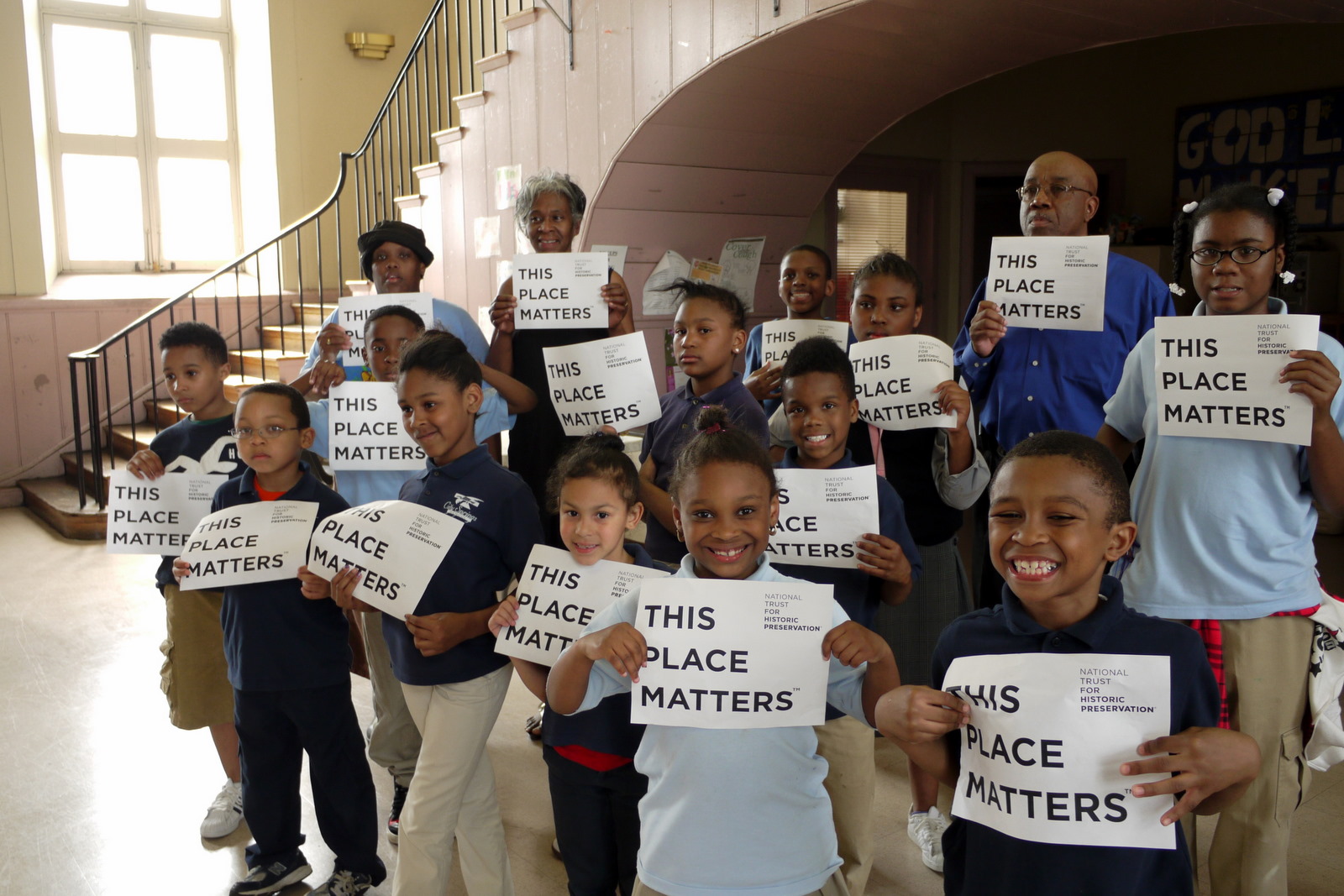
"This Place Matters" at the McKim Center
“This Place Matters” at the McKim Center

Last week, the Baltimore Business Journal published a report prepared for Baltimore City by a real estate consulting firm recommending various options for seventeen historic buildings owned by Baltimore City. When the City first commissioned this report last spring, it prompted widespread concern over the future of much-loved landmarks like the Shot Tower, Peale Museum, and Cylburn Mansion. At the time, we called for an open process that would ensure a seat at the table for the many citizens and volunteers who for decades have protected and celebrated these important landmarks. Now that the consultant’s report is final and the City has begun considering options for the seventeen buildings on the list, we believe the need for an inclusive deliberation is paramount to ensure the sites under consideration can be preserved and remain assets for Baltimore.
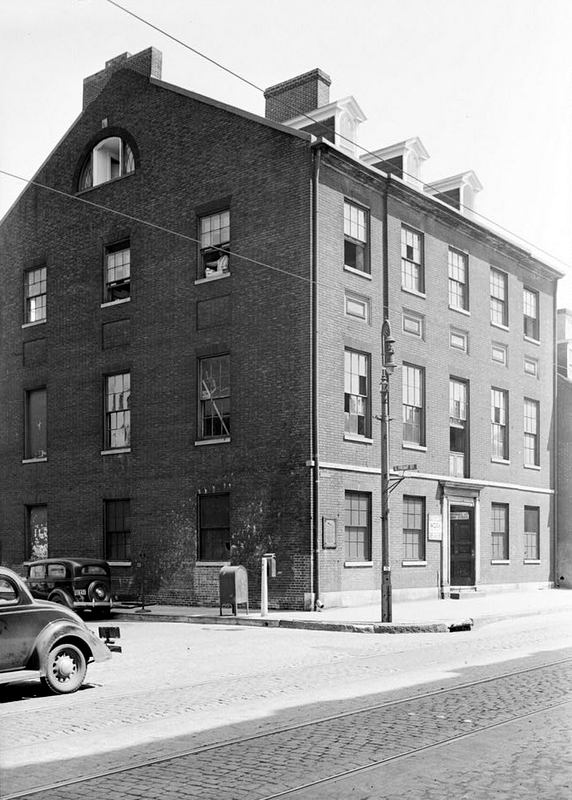
Carroll Mansion, 1936. Image courtesy Library of Congress, HABS.

We commend Baltimore City for focusing on the seventeen historic properties subject to the report, some of which are in desperate need of repair. Long term leases, money-generating tenants, and perhaps even outright sale should be considered for some of the sites. Many others on the list, however, have friends groups that have cared for them for years (decades in some instances), that have raised money for their maintenance and restoration, and that are current and active in their work. Clifton Mansion, the Shot Tower, Carroll Mansion, and the Crimea are prime examples in this category. Still others, including the Peale Museum, Roland Park Water Tower, and President Street Station, have groups actively working with the City to gain control and begin restoration. The people who have devoted themselves to the buildings on the list should be part of the decision-making process. The consultant’s report appears to leave out the time, money, and dedication that Baltimoreans have already put into these landmarks and to undervalue their potential for the future stewardship of these historic places.

We will continue to advocate for an open process as the City moves forward in making decisions over the fates of these seventeen buildings. The seventeen buildings on the table deserve to be occupied and restored so that they can remain assets for Baltimore. The seventeen properties addresses by this report include:

Welcoming a Canton neighbor into the Centennial Homes program on March 25

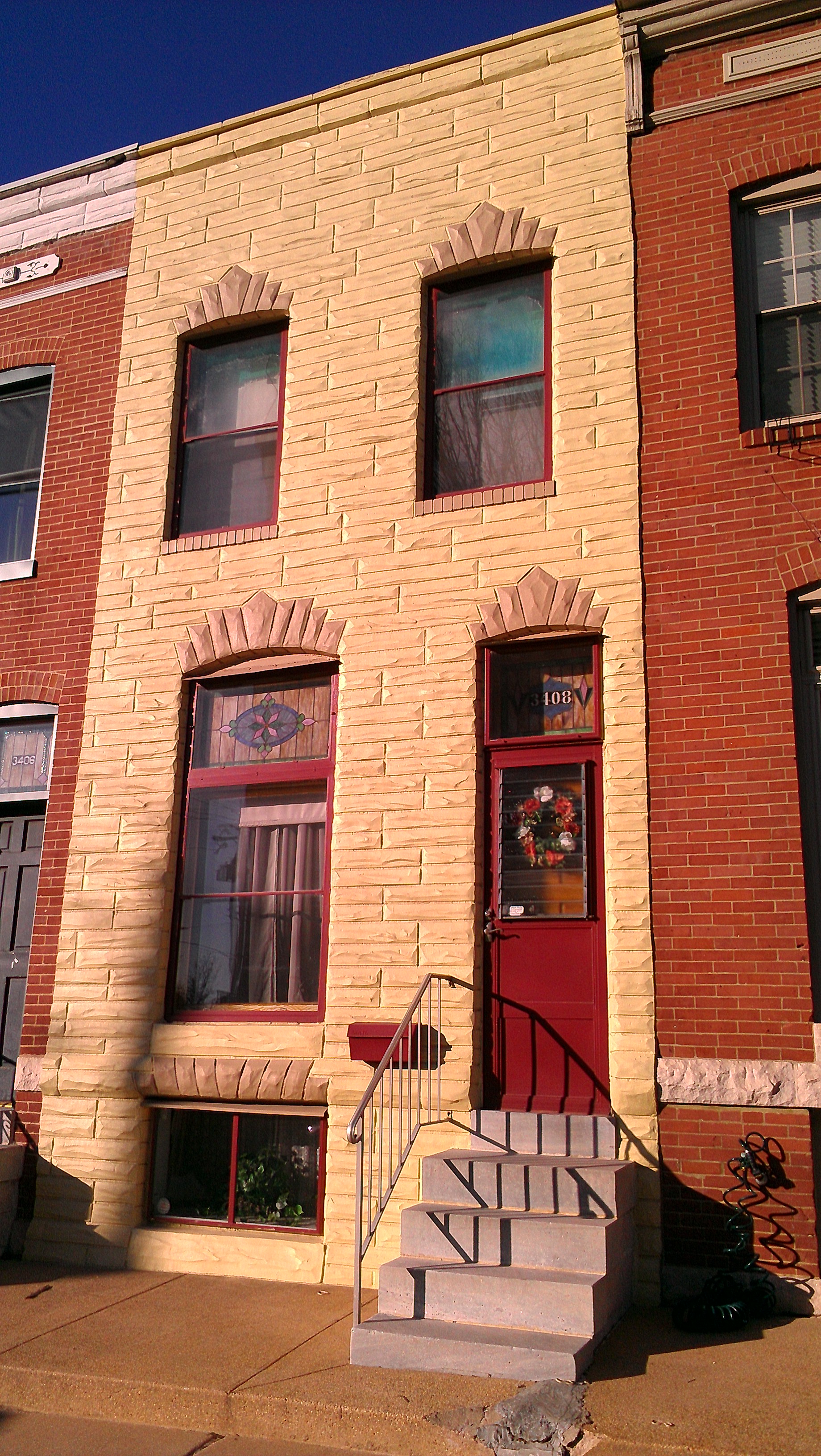
Moskal house 2-8-13We’re excited to welcome our latest home-owner into the Baltimore Heritage Centennial Homes program with a plaque presentation for Mr. Roland Moskal on Fait Avenue at the monthly Canton Neighborhood Association meeting on March 25.

Moskal Centennial Home Plaque Presentation at the Canton Neighborhood Association Meeting

Monday, March 25, 2013, 7:00pm
United Evangelical Church, 3200 Dillon Street, Baltimore, MD 21224
Social gathering starts at 6:30pm and the presentation starts at 7:00pm with brief remarks from the Canton Neighborhood Association President, Daryll Jurkiewicz.

In 1904, Roland Moskal’s maternal grandmother, Maggie Williams, a widow, purchased a newly constructed rowhouse at 3408 Fait Ave. in the neighborhood of Canton in Baltimore City. She paid off her mortgage 17 months later in 1905. Over the last 108 years, Maggie Williams was followed by three generations of her family who have owned and occupied the property including her grandson Robert Moskal. Read on for the extensive profile of the history of this long-time Canton family and their home. Special thanks to our hard-working volunteer Lisa Doyle for her continuing work on the Centennial Homes program.  If you have information on a Centennial Homeowner in your neighborhood, please contact Lisa Doyle at 410-484-7878 or doyle@baltimoreheritage.org.

Explore Baltimore Heritage is public history in action thanks to BreakingGround and UMBC graduate students

Thanks to a grant from UMBC’s BreakingGround initiative this past fall, Baltimore Heritage enjoyed a unique opportunity to work closely with UMBC Professor Dr. Denise Meringolo and nine UMBC students in a graduate-level public history course. The students worked with us to develop short video documentaries on the stories of Baltimore’s historic landmarks for our new website and smartphone application, Explore Baltimore Heritage. The student videos — produced with support from the UMBC New Media Studio — share images and vignettes from the history of grave-robbing at Davidge Hall, the ignominious demise of Edgar Allen Poe and his burial at the Westminster Burying Ground, and the complicated past of urban renewal at Baltimore’s First Mariner Arena.

When we first started working with Dr. Meringolo and her public history students in spring semester of 2012, we developed a project that allowed students to build on on our existing research and tell new stories about historic places like the Baltimore Bargain House or Hutzler’s Department Store with writing and archival photographs. When Dr. Meringolo offered us the opportunity to continue working with her students into the fall, we settled on an ambitious goal: use the wealth of historic photos from local archives to tell stories with short videos. Fortunately, several of the students from the spring semester collaboration decided to continue with the second course and brought valuable expertise on the history of downtown Baltimore to this new challenge.

It has been exciting observe how the students have gained a new perspective on the role of public history in the often political and messy debates around economic development and preservation in an urban downtown. For Baltimore Heritage, the partnership has greatly extended the capacity of our small two-person non-profit and enabled us to expand the featured buildings on Downtown’s West Side.

Please enjoy these great videos on YouTube, check out Explore Baltimore Heritage online, or download the iPhone or Android application today!

This post originally appeared on the BreakingGround blog.

Preservation works in Station North: Re-making historic buildings for a new Baltimore

Historic preservation in Station North has been in the news recently with historic tax credits awarded to the former Centre Theater in January and the announcement in December that the long-neglected Parkway Theater will be the new home for the Maryland Film Festival. We asked Charlie Duff, Executive Director of Jubilee Baltimore and the developer of the Centre Theater to share his thoughts on the exciting progress of preservation in Station North.

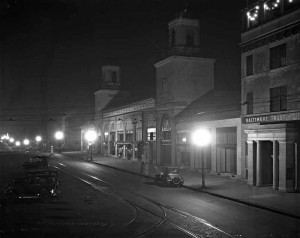
Charles Theater in Station North, courtesy the Station North Arts District

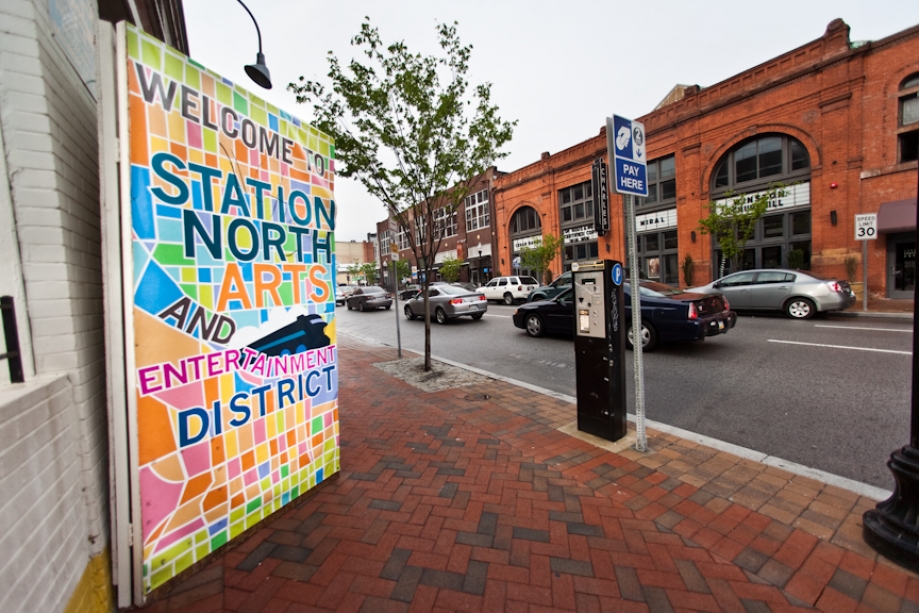
If you visit North Avenue during the day, you might think it hasn’t changed for years; it’s just a big rundown street. At night, however, North Avenue is starting to be a happening place, a focal point of Baltimore’s emerging Station North Arts and Entertainment District. Like Fells Point, Station North is livelier by night than by day.

P1030654
10 E. North Avenue, courtesy Jubilee Baltimore

Long known for the Charles Theater – and not much else – Station North is now home to several dozen restaurants, galleries, and venues for music, arts and theater. It’s busy every night and hopping on weekends, and the Station North music scene led Rolling Stone to name Baltimore the best Indie music scene in the country. But it’s not just a scene. It’s also a neighborhood and a part of Baltimore’s economy. More than 700 artists live and work in Station North right now. They’re young and vigorous, and they think Baltimore City is the greatest place on earth.

Even though Station North is Bohemian and avant garde, historic buildings are the key to the growth of Station North. Here’s a brief listing of projects that take advantage of historic buildings:

  • MICA Studio Center – This summer MICA completed a $20 million renovation of the former Jos. A. Bank loft building on North Avenue near Howard Street. More than 300 MICA students now have studios and take classes on North Avenue. They come and go at all hours of the day and night, and the street is richer and more vibrant because of them. And the building, a splendid loft building from the first decade of the 20th century, looks fabulous.
  • Baltimore Design School – Under construction now in the 300 block of East Oliver Street is the Baltimore Design School, Baltimore’s new 6-12 school for kids who might want to be architects or designers. This fabulous 1916 loft building, vacant for more than 25 years, uses $3 million in State historic credits. Go check out the amazing (and authentic) brand-new steel windows. Students arrive in September.
  • The North Avenue Market – Occupying the whole block of North Avenue between Charles and Maryland, the North Avenue Market is becoming beautiful and lively again. New owners are restoring its lovely 1928 façade, and new tenants are making North Avenue hum. The Windup Space, in the North Avenue Market, is the hottest ticket in artistic Baltimore, and printmakers flock here to rent amazing equipment by the hour at the Baltimore Print Studios.
  • 10 E. North Avenue – When Jubilee Baltimore learned that one of the largest vacant buildings in Station North was going to be auctioned off, we put together a team of investors and bought the building very cheaply. Add the cheap price to the $3 million in State historic credits that we’ve just won, and 10 E. North Avenue becomes a real opportunity to create lively space for impecunious but creative people. What should happen here? After much research and millions of conversations with local artists, we are pursuing leads to create a shared use artist space with well-equipped, well-managed, code compliant work spaces of various kinds. We are also in discussions with MICA and a couple of good restaurants and arts venues.
North Avenue Market, 1929. Image courtesy the BG&E Collection, Baltimore Museum of Industry, BGE.1847N.

Station North may not look like a great historic district, but it is becoming a great place. It wouldn’t be happening at all without cheap, wonderful buildings and historic tax incentives. Take a walk down North Avenue and recharge your Preservation batteries. Preservation works!

Jubilee Baltimore is a non-profit developer and neighborhood revitalization organization helping the people of Baltimore to build safe, stable, desirable, mixed-income neighborhoods through affordable housing development and neighborhood revitalization. If you are interested in highlighting a great preservation effort in your neighborhood, please get in touch!

The woman whose love was worth more than the throne of England

Happy Valentine’s Day! Thanks to everyone who showed up for the Mount Vernon Valentine’s Tour this past Sunday. One of our favorite stories from the tour was the story of Baltimore’s Wallis Simpson and her marriage to Edward VIII: a man who gave up the throne of England to be with the woman he loved. Nathan Dennies, one of our volunteer writers and a student at the University of Baltimore, has finished writing a great story on Wallis’ time living with her mother and stepfather at 212 East Biddle Street:

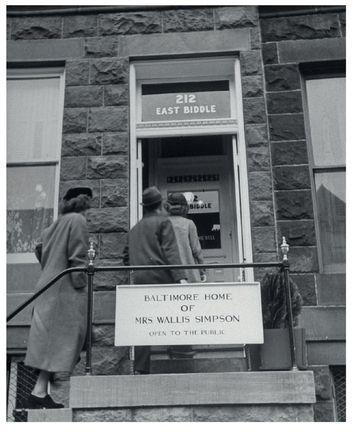
Wallis Simpson's home during the time it was a museum. Image courtesy of "That Woman" by Anne Sebba.
Wallis Simpson’s home during the time it was a museum.
Image courtesy of “That Woman” by Anne Sebba.

The house on 212 East Biddle Street had three bedrooms: one for Wallis, one for her mother,and another that Wallis assumed was a guest bedroom. Little did she know that her mother was planning on remarrying and the extra bedroom would soon become the room of her new stepfather, John Freeman Rasin, son of the head of the Baltimore Democratic Party, Carroll Rasin. Wallis was crushed. She had envisioned a life of independence with her mother, free from relying on the financial help of others. Wallis threatened to run away, but reluctantly came to terms with her mother’s decision.

The marriage was held in the parlor of their home on June 20, 1908. The climax of the wedding came when Wallis, perhaps out of spite, snuck off to the kitchen and dug her hands into the cake in search of the good-luck tokens hidden inside. When her mother and stepfather came into the kitchen and saw the ruined cake, they stood speechless. Suddenly, Mr. Rasin laughed, picked Wallis up, and twirled her in the air. This act of forgiveness touched the young Wallis, and she never gave her stepfather any more trouble.

Read the full piece on Explore Baltimore Heritage. Don’t forget to download our free Explore Baltimore Heritage app for iPhone and Android!