Category: Education

Our education programs include technical assistance to property owners, heritage education around the Civil War Sequicentennial and the Bi-Centennial of the War of 1812, and our ongoing Race and Place in Baltimore Neighborhoods project.

Announcing our New WYPR Weekly Segment!

We are delighted to be partnering with WYPR 88.1 FM on a weekly radio segment called “Five Minutes of Baltimore History” hosted by our executive director, Johns Hopkins! Not all of Baltimore’s history is easy or straightforward, but all of it is important. Frederick Douglass escaped his enslavement from here; Holocaust survivor Gustav Brunn created Old Bay seasoning here; and William Walters gave the world Maryland rye whiskey (and gave us an art museum) from here. We hope you’ll join us each week to learn a little bit more about famous and not-so-famous people and events that continue to shape our city and our nation. To explore more of these stories, check out our Five Minute Histories videos.

The segment will begin airing on Tuesday, November 4, and can be heard on WYPR at 4:44 p.m. In addition to the radio broadcast, Five Minutes of Baltimore History will be available on demand at wypr.org and wherever you get your podcasts.
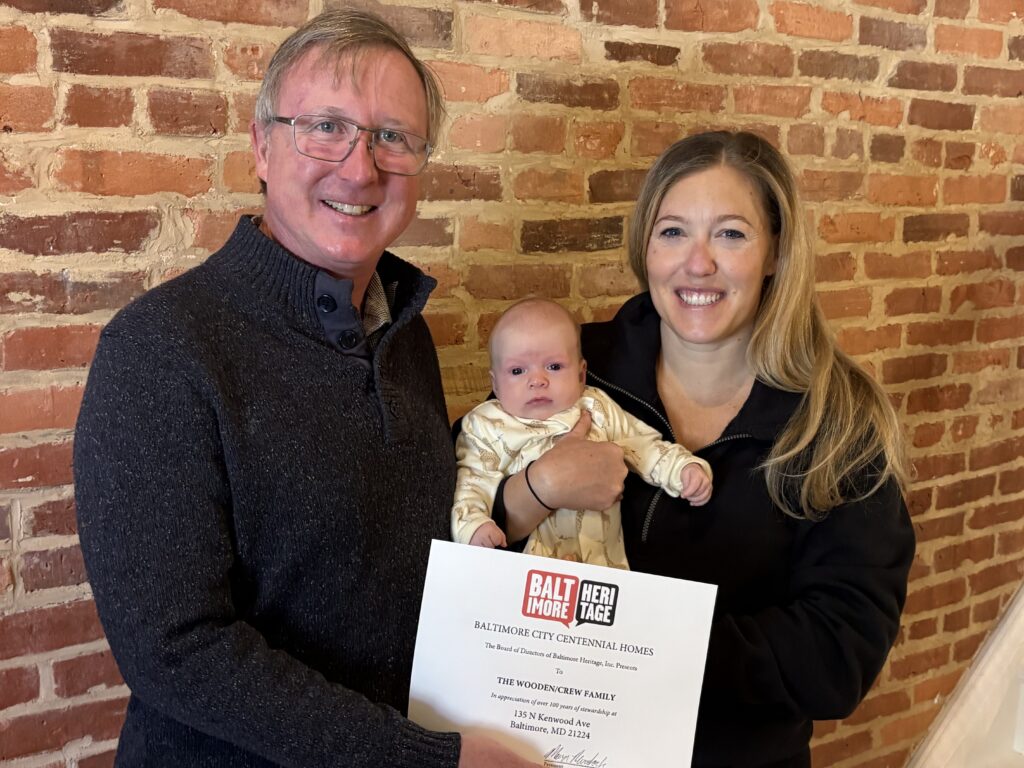
New Centennial Home: The O’Donnell, Wooden & Crew Family in Patterson Park

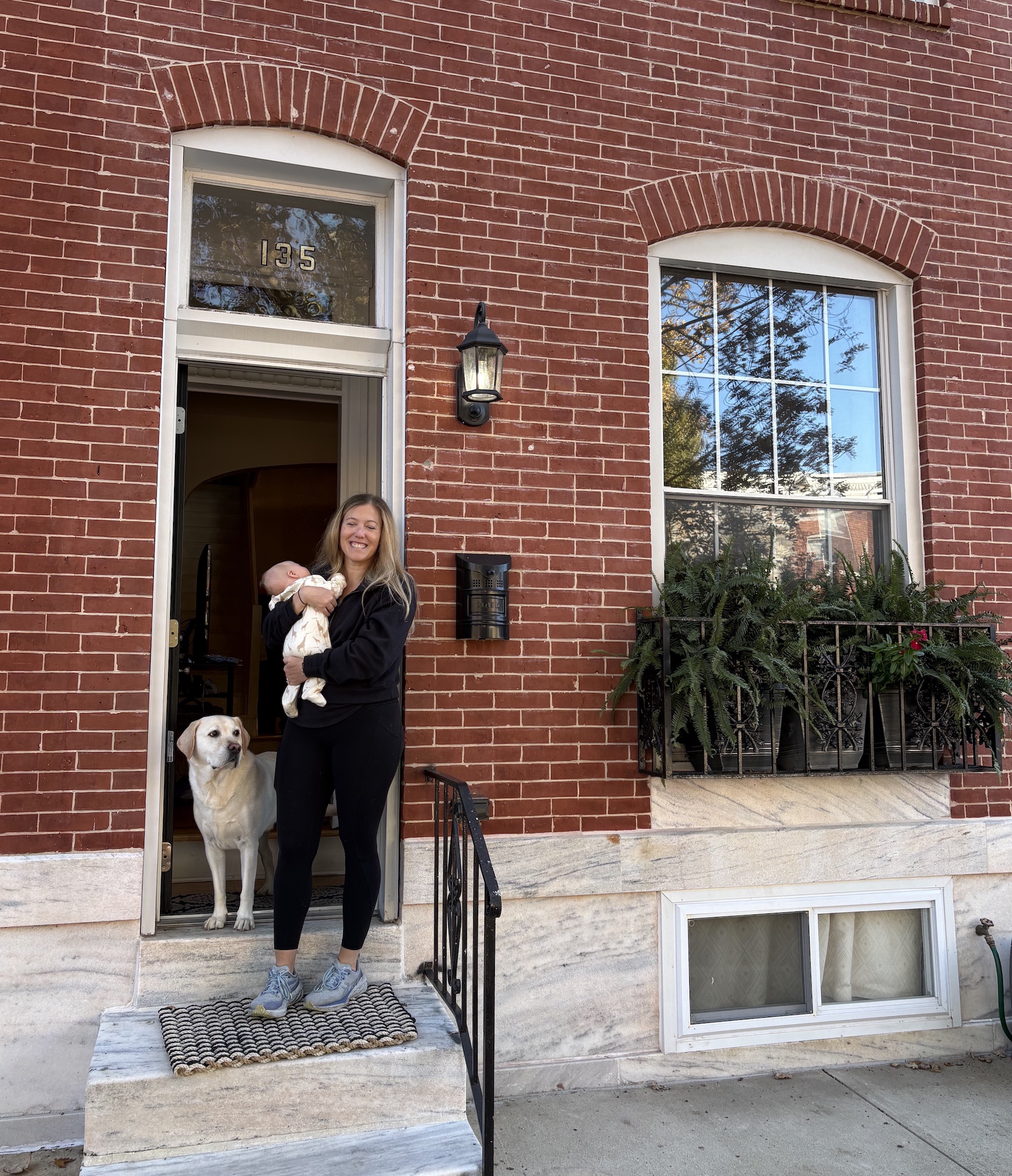
On October 16, 2025, Baltimore Heritage awarded a Centennial Homes certificate to Trudee O’Donnell. Trudee’s rowhouse on N. Kenwood Ave has been in her family for over 100 years. Her great-grandmother Gertrude Yowell and husband bought the home in 1922. And as you see from the picture, the potential next owner is in training! Thanks to Trudee and her family for their loving care of this home.
The Baltimore Centennial Homes project, developed in collaboration between Baltimore Heritage and City Councilman James Kraft, recognizes families that have been in the same house for 100 years or more. These families have anchored Baltimore’s historic blocks and neighborhoods through good times and bad. Their stories show the changes that our communities and our city have experienced as well as the critical roles that neighborhoods and their families have played in keeping historic neighborhoods thriving.  See all of our Centennial Homes here!


New Inner Harbor History Virtual Tour!

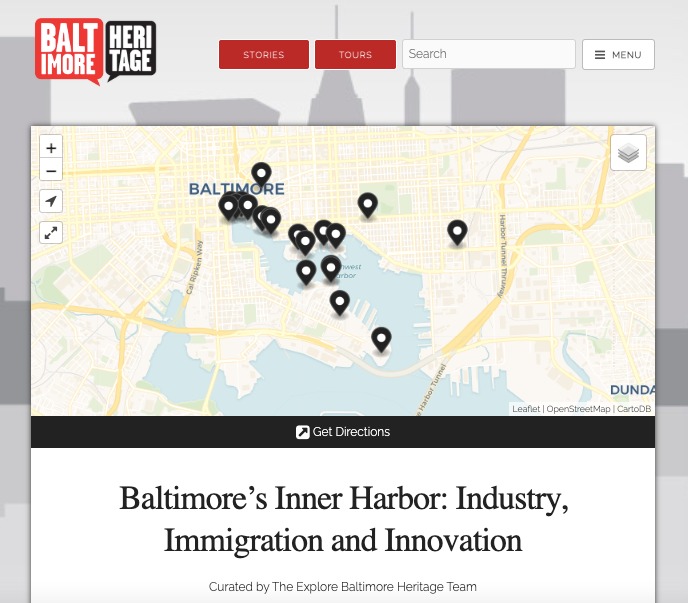
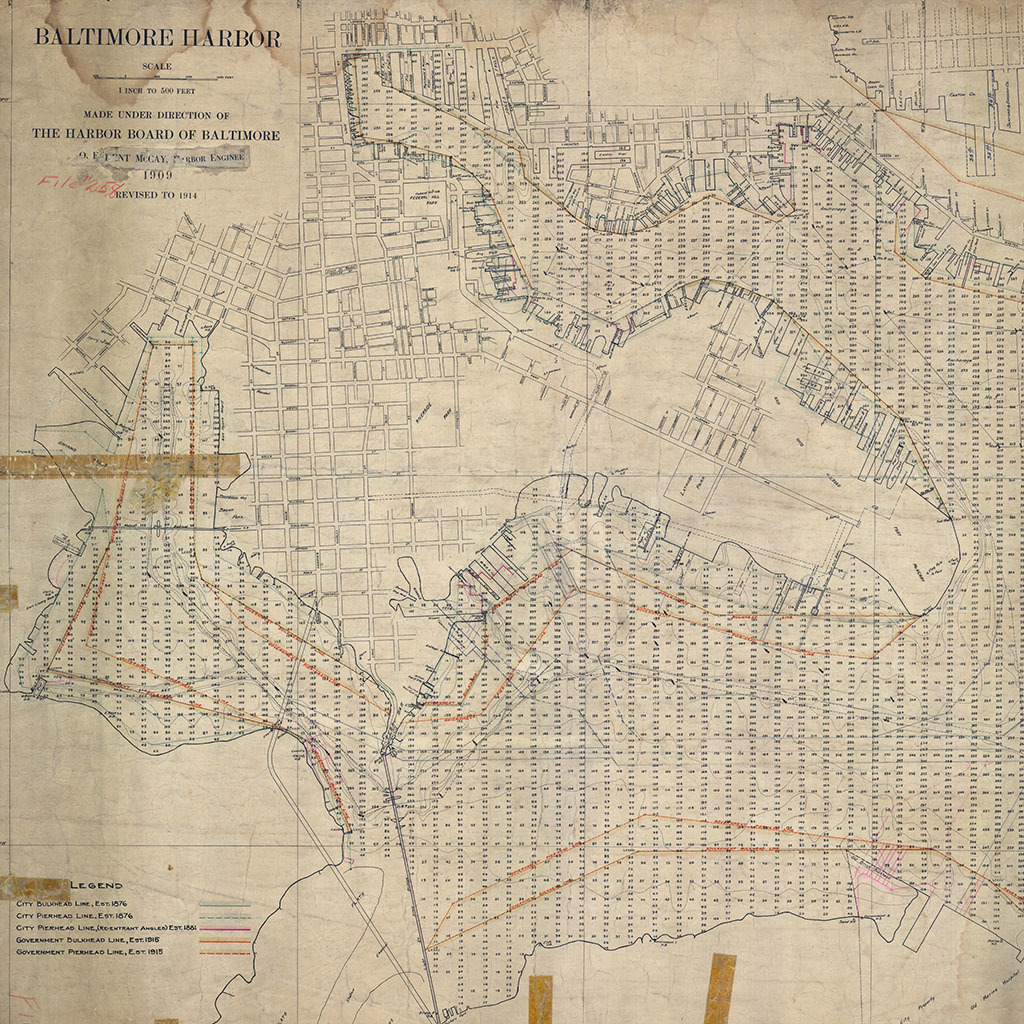
Did you know we have curated virtual tours on our free website and app, Explore Baltimore Heritage? Check out our newest one about the Inner Harbor. America defeated the British here. Frederick Douglass escaped from here. Today we are pioneering watershed restoration here. Join us to discover 300 years of history around Baltimore’s world famous Inner Harbor and see how Baltimore’s wonderful waterfront connects the past with the present and Baltimore to the rest of the world. This virtual tour was created as a companion to our in-person Inner Harbor history boat tour. Thank you for support from National Park Service Chesapeake Gateways and PNC Bank.


Happy Pride from Baltimore Heritage!

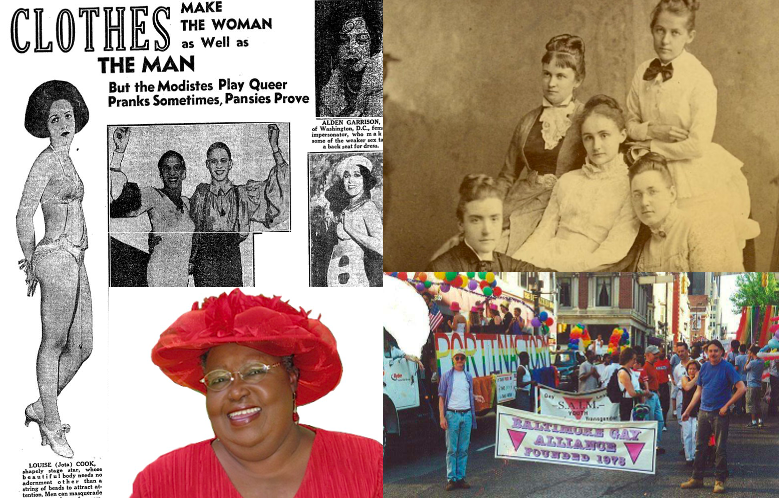
Happy Pride from Baltimore Heritage! This month we are celebrating and remembering the LGBTQ community that has always been here.

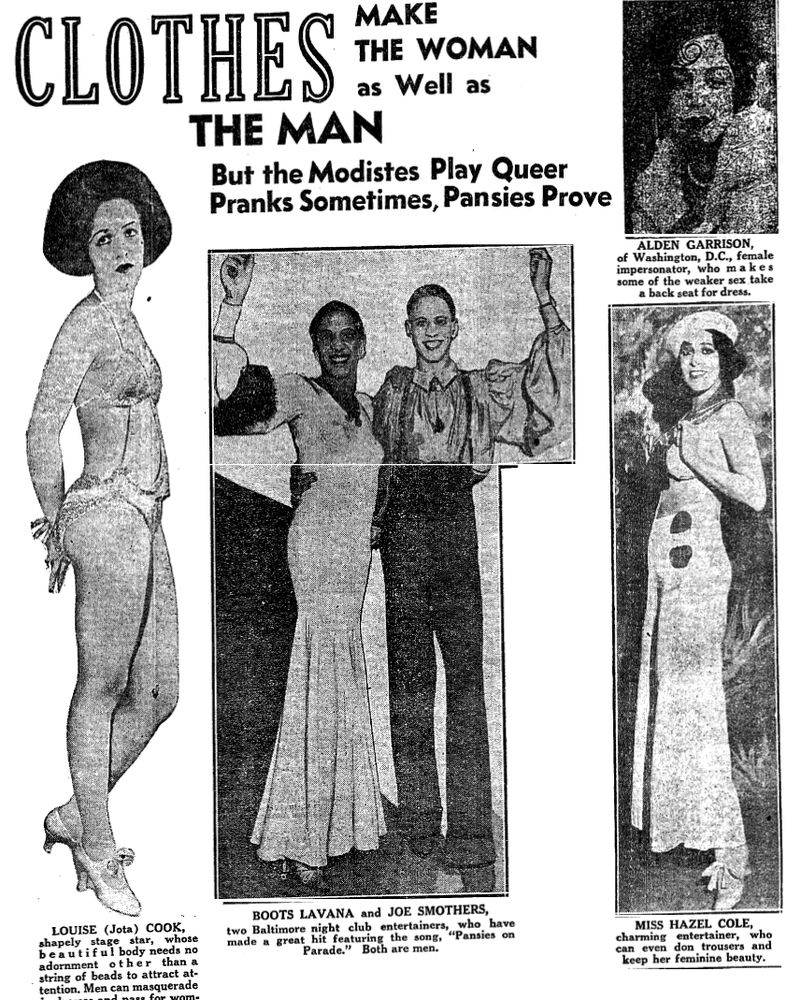
Monumental Elks Lodge #3’s Pansy Balls (click the photo for more information)


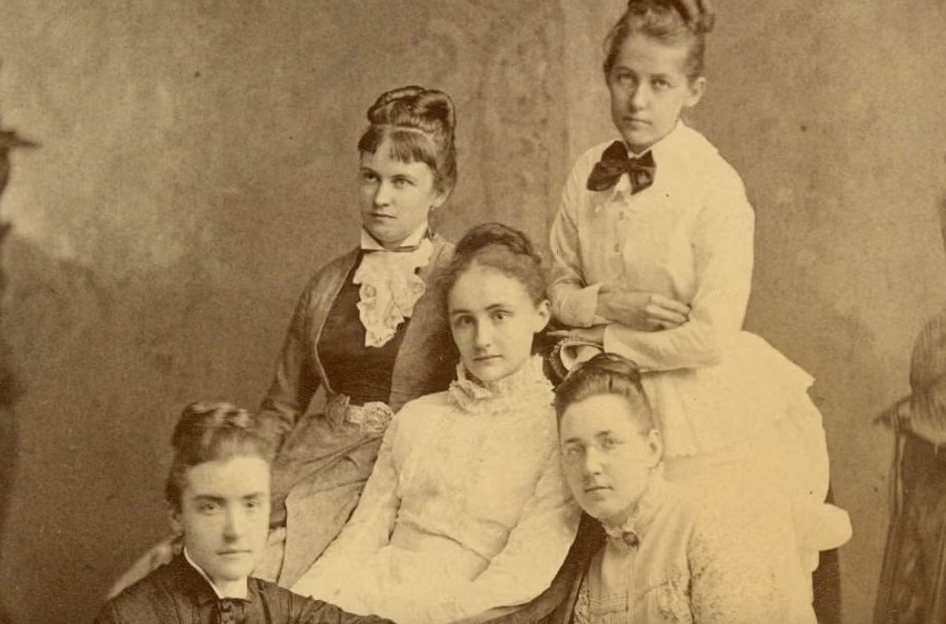
The Friday Evening Group (click the photo for more information)


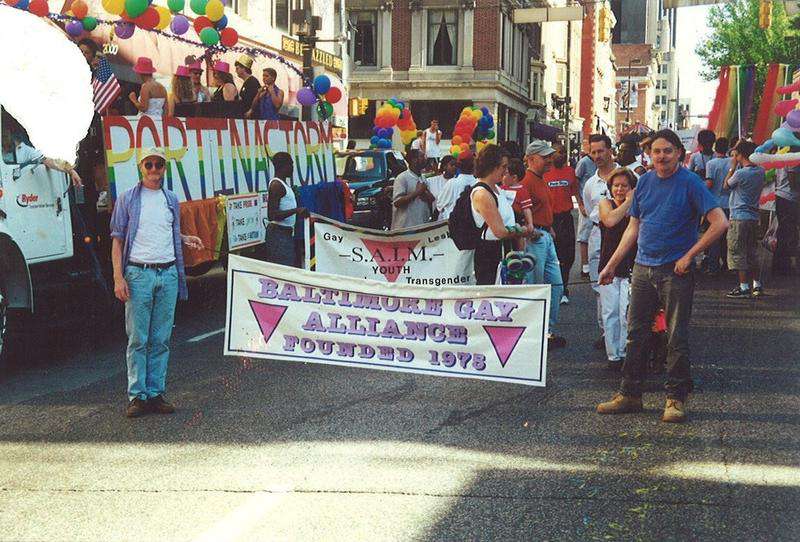
Baltimore Gay Alliance (click the photo for more information)


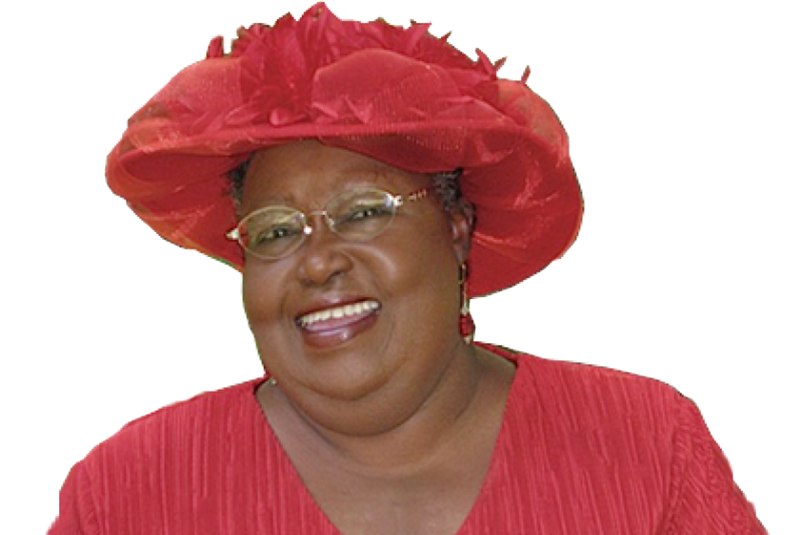
Rev. Delores Berry/Baltimore Coalition of Black Gay Women & Men (click the photo for more information)


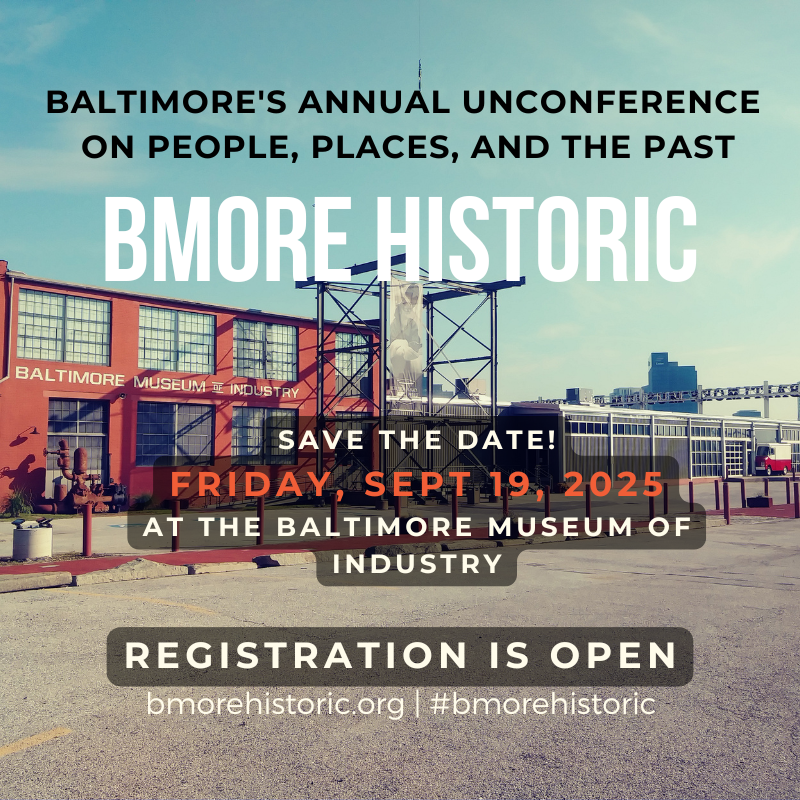
Bmore Historic: September 19, 2025

We hope to see you this September at the Baltimore Museum of Industry for Bmore Historic 2025! Students are free this year.

Questions? Please email us at info@baltimoreheritage.org.

Thanks,

The Bmore Historic Organizing Committee


What is Bmore Historic?

Bmore Historic is a participant-led unconference for people who care about public history and historic preservation in and around Baltimore. Learn more about Bmore Historic or read our introduction to unconferences.

What do we do at Bmore Historic?

Past, in-person unconferences have been structured around four session blocks: two in the morning and two in the afternoon. We usually have between four to six sessions in each of the time blocks for a total of twenty sessions throughout the day.