Category: Advocacy

Laurel Cemetery: Added to the National Register of Historic Places

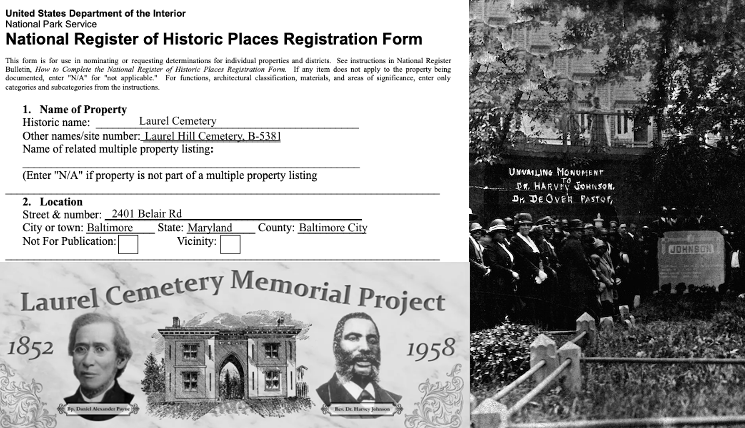
This past Tuesday, Laurel Cemetery was officially listed in the National Register of Historic Places. Baltimore Heritage, in partnership with the Laurel Cemetery Memorial Project, helped write the nomination. This historic property finally has the recognition it deserves as Baltimore’s first non-denominational African American cemetery, incorporated in 1852.

For decades Laurel Cemetery was the premiere burial site for African Americans, used by families across spectrums of social class, occupation, education, and religion. Here, the lives of washerwomen and laborers were commemorated alongside Civil War veterans and some of the most active and influential agents of African American progress. In 1894, Frederick Douglass traveled to Laurel Cemetery to speak at the unveiling of a monument honoring Bishop Daniel Alexander Payne, the sixth Bishop of the AME Church and founder of Wilberforce University. Leading Maryland Civil Rights leaders such as Rev. Harvey Johnson and Rev. Alexander Walker Wayman were also buried here. It is estimated that this burial ground was the resting place of an 37,000-42,000 people.

In 1957, the sole shareholder of the Laurel Cemetery Company sold the land against the wishes of descendants of those interred at the site. The closing of Laurel Cemetery was a politicized maneuver, organized clearly along lines of race and class. A series of lawsuits seeking justice for the disenfranchised descendants failed to prevail in the courts. Thus, after being in existence for 106 years, Laurel Cemetery was leveled and most of the site was paved over and completely forgotten in collective memory. One small undisturbed portion of the cemetery remains hidden in plain sight and this is the portion we nominated to be on the National Register of Historic Places. In February 1962, the former site of Laurel Cemetery became a department store. Today it is the Belair-Edison Crossing Shopping Center. For decades, most Baltimoreans have not known the site’s significance, the identities of those buried here, or even their own family connections to this space.

Thanks to the work of the Laurel Cemetery Memorial Project, Laurel Cemetery is no longer forgotten. It is celebrated as a sacred space and an important site of Black history and our city’s history. This nomination further supports the preservation and education of a key site in Baltimore’s (and Maryland’s) history.

Learn more about Laurel Cemetery on the Laurel Cemetery Memorial Project’s website. And stay tuned for a digitized version of the Laurel Cemetery’s National Register nomination form!
LGBTQ History in Maryland: National Register Brainstorming Session

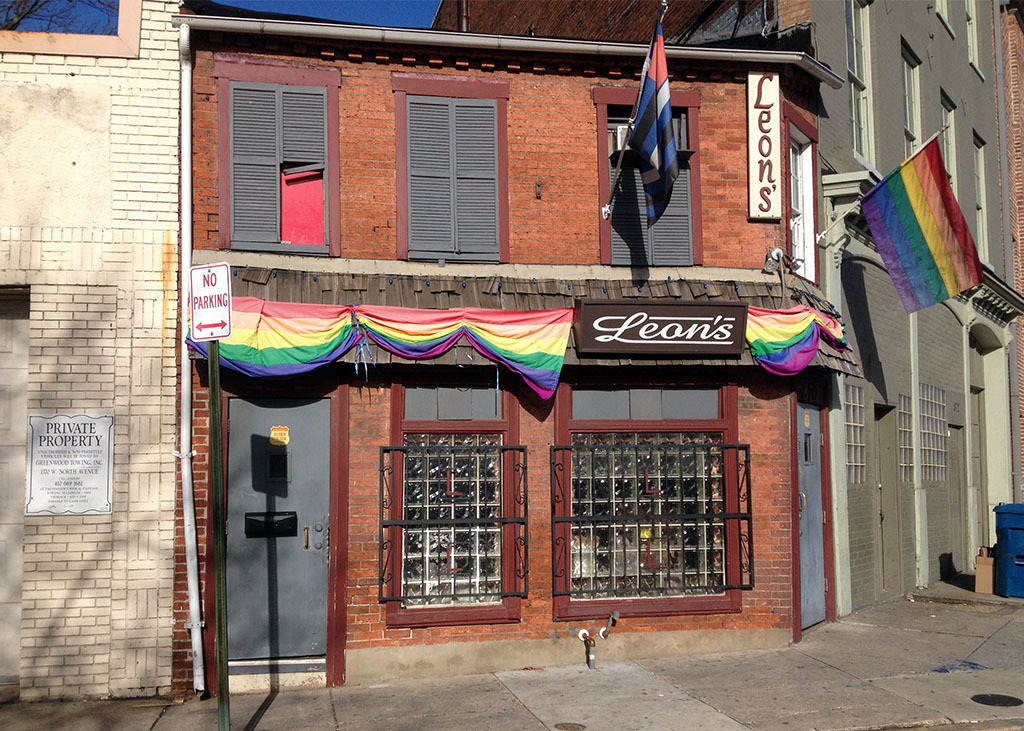
Baltimore Heritage is working with a researcher, Susan Ferentinos, to take her documentation of LGBTQ history in Maryland and turn it into a National Register of Historic places nomination to put Maryland (and Baltimore) on the national map for LGBTQ heritage. 

We need your help! Please join us for a brainstorming session on Tuesday, April 28, 2026 at 5:30 pm to discuss LGBTQ heritage sites in Baltimore (and Maryland), priorities to focus on in the nomination, and how we might be able to publicize this new documentation. Should we have a celebration? A social media campaign? Or local landmarking? Please help us decide.

Join the Zoom meeting here:

https://bit.ly/4mLYRv1


Bmore Historic: September 19, 2025

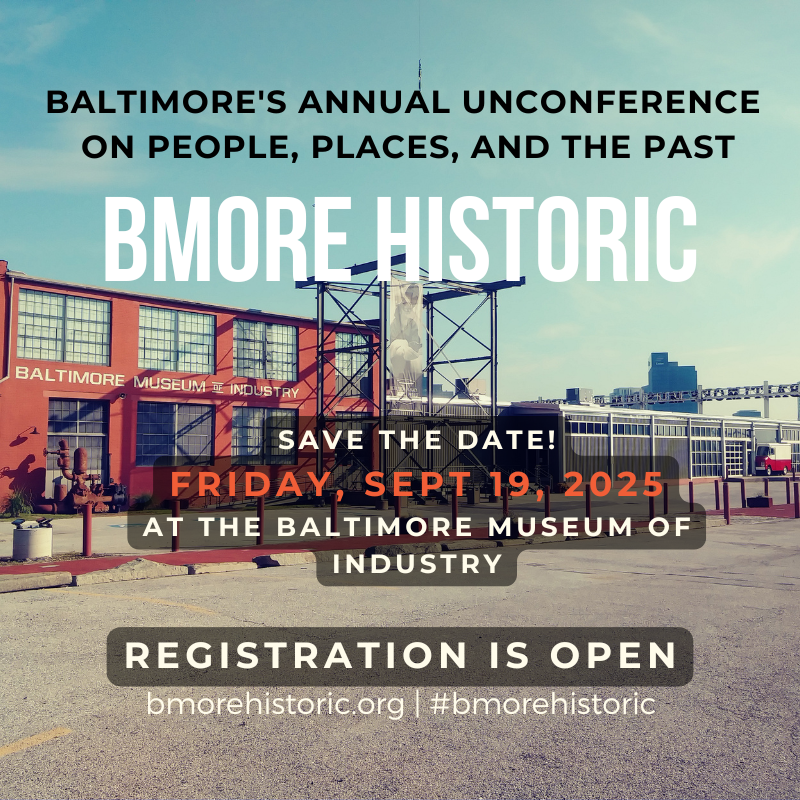
We hope to see you this September at the Baltimore Museum of Industry for Bmore Historic 2025! Students are free this year.

Questions? Please email us at info@baltimoreheritage.org.

Thanks,

The Bmore Historic Organizing Committee


What is Bmore Historic?

Bmore Historic is a participant-led unconference for people who care about public history and historic preservation in and around Baltimore. Learn more about Bmore Historic or read our introduction to unconferences.

What do we do at Bmore Historic?

Past, in-person unconferences have been structured around four session blocks: two in the morning and two in the afternoon. We usually have between four to six sessions in each of the time blocks for a total of twenty sessions throughout the day.

Lortz Lane Celebration in Historic Govans

What do you get when you add a Baltimore history trivia contest to a neighborhood event in historic Govans? A great community celebration! 
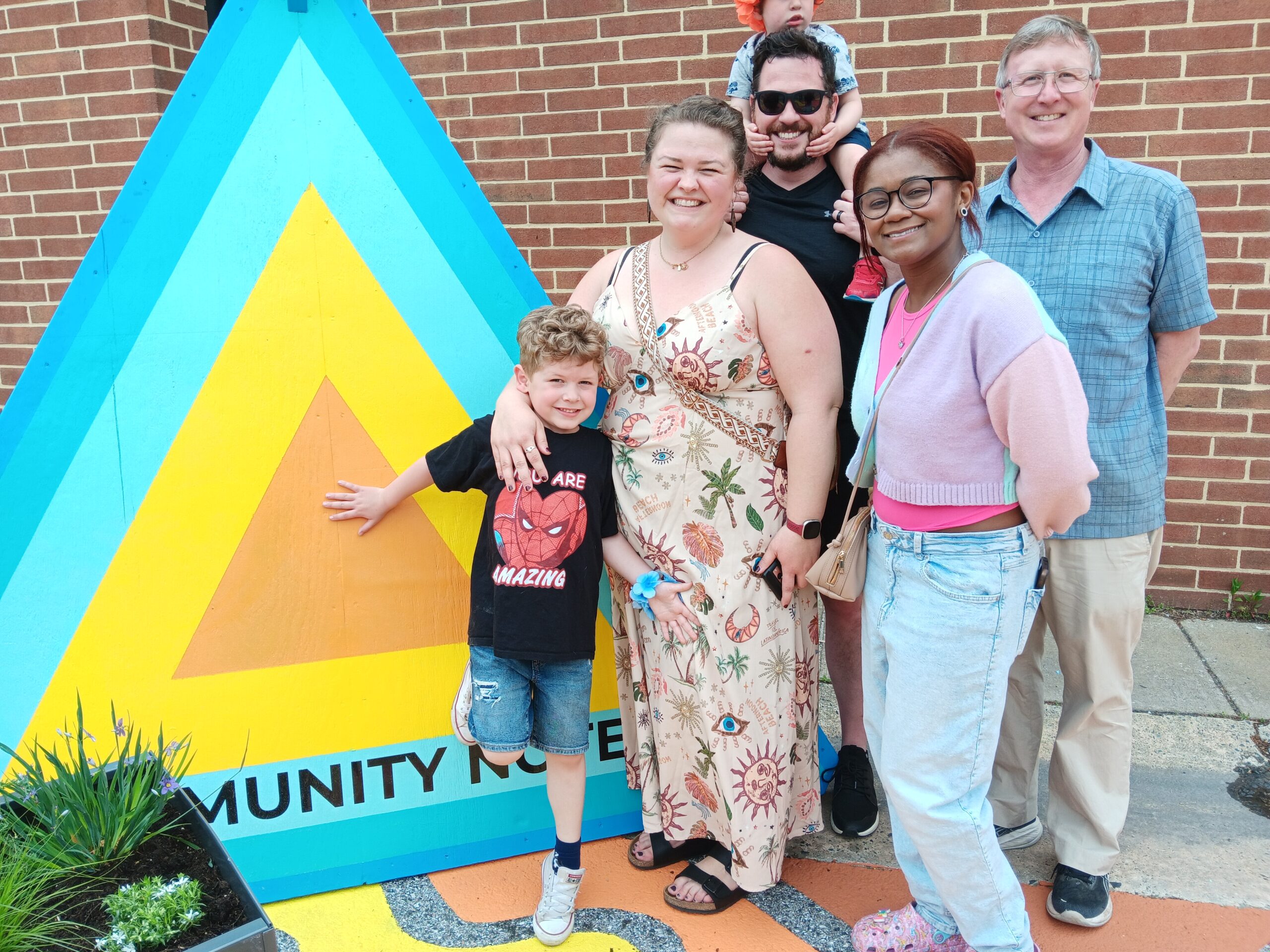
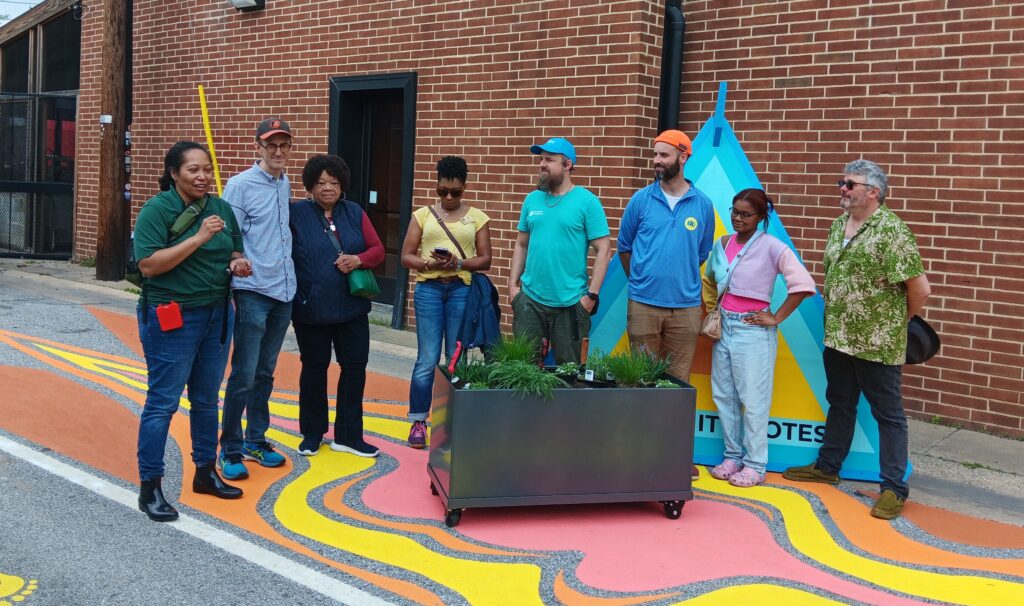
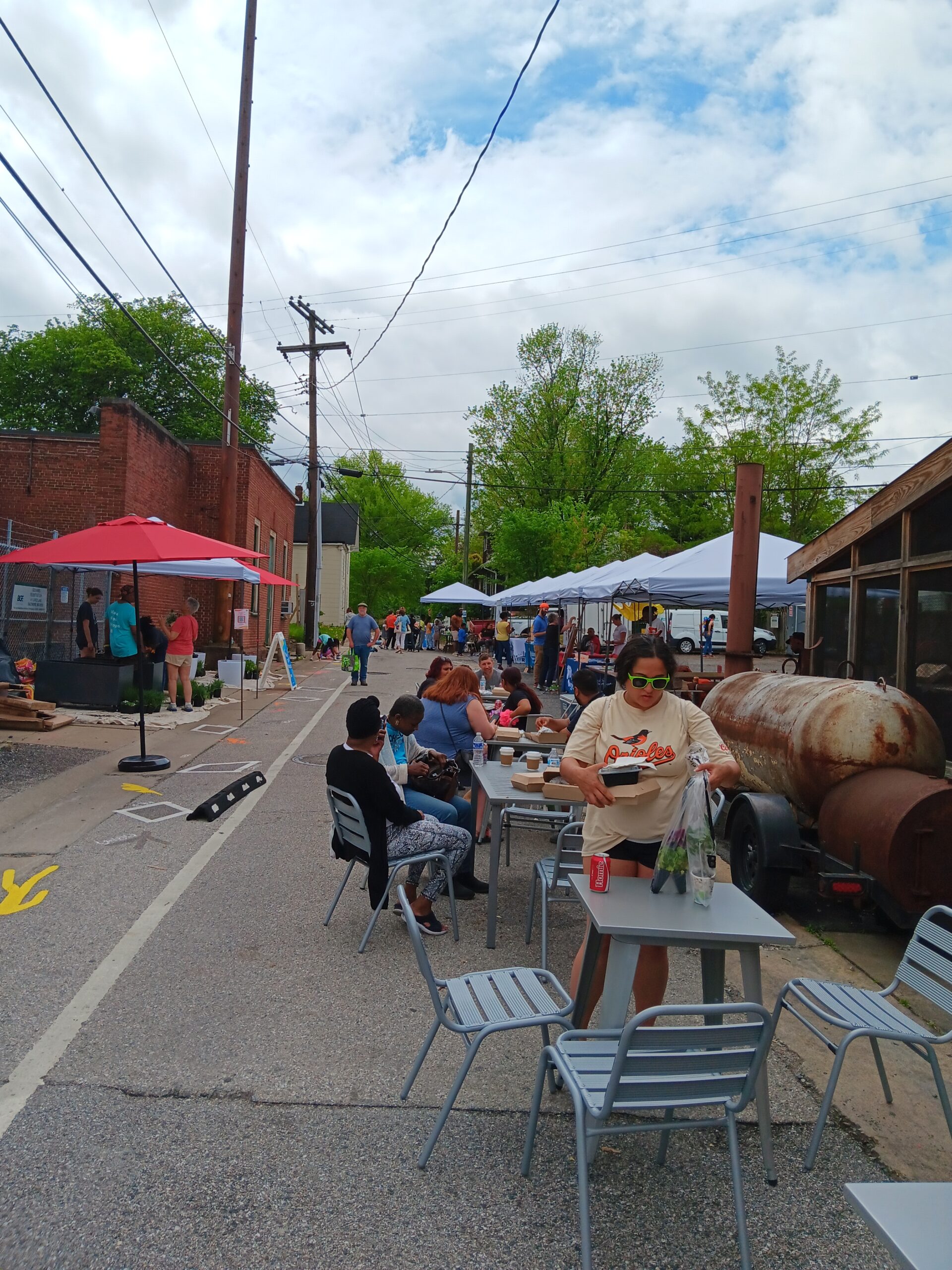
Working with a graduate fellow from the University of Maryland School of Social Work, Diamyn Wilson, we at Baltimore Heritage were proud to contribute to a community event on April 26 where residents of the historic Govans neighborhood came out to celebrate the completion of a street improvement project that will help local elementary and middle school kids walk safely from their school to the nearby Pratt Library Branch. The project focused on separating car traffic from where the kids walk along a street called Lortz Lane, including painting a bright mural on the street. Ms. Wilson worked with numerous community groups and residents to plan the celebration, including a history trivia contest with prizes from local shops along York Road just south of the Senator Theater. It’s one more step forward for this great historic place.

Graduate Fellow Diamyn Wilson (front right) from University of Maryland School of Social Work


Standing Up For Baltimore City Public Schools

Question 1: Function f is defined as f(x) = x2-6x+14. What is the minimum value of f(x)?

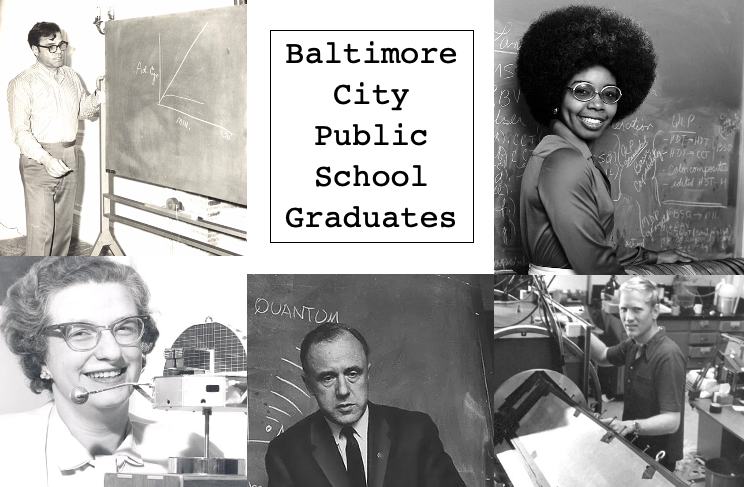
This complicated query above was Question 1 on the Maryland math exam that Donald Trump referenced yesterday in making disparaging remarks about Baltimore City Public School students and our school system generally. Among other things, Mr. Trump said that students who failed the exam could “not [do] even the very simplest of mathematics.” (Can you solve the above math problem? We can’t.) We thought we’d highlight a few Baltimore City Public School graduates who could have solved this question. The list is of course nowhere near complete but we hope it gives a little historical perspective of one of the first public school systems founded in the United States (1829).


Nancy Roman

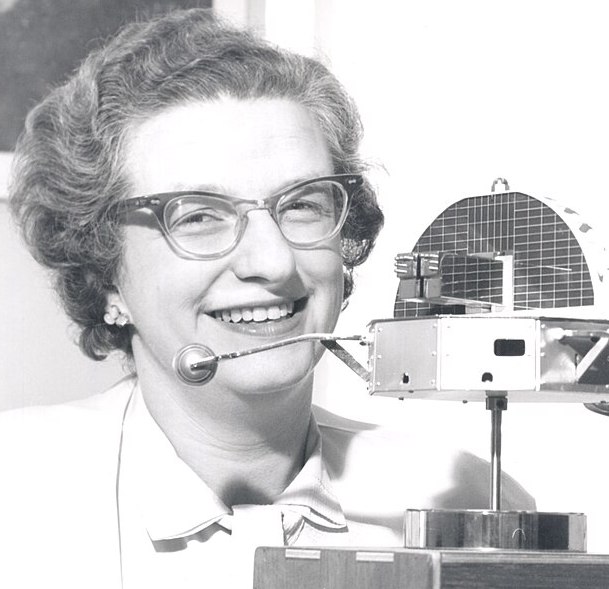
Nancy Roman – Astronomer and NASA’s first Chief of Astronomy (Western High School)


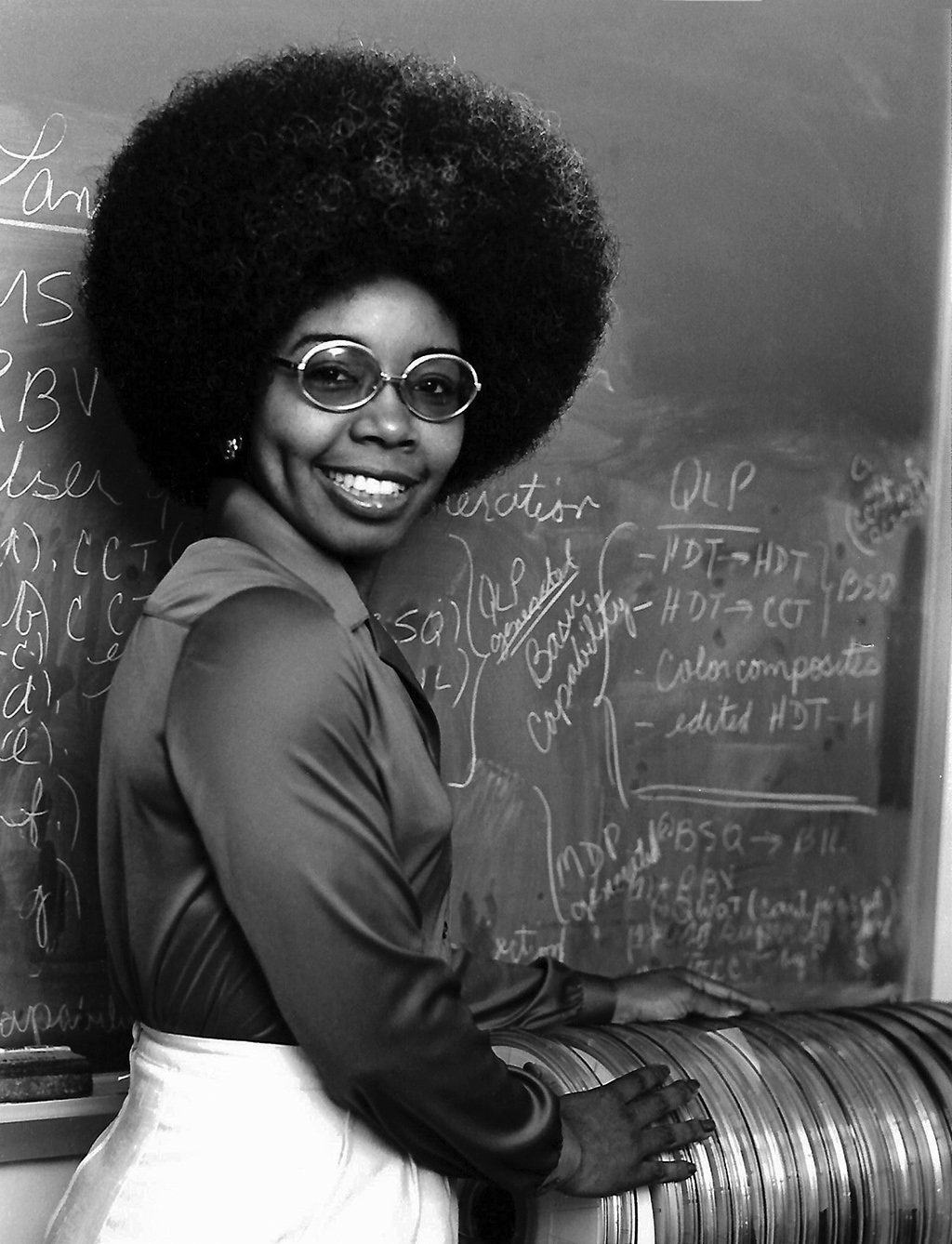
Valerie Thomas

Valerie Thomas – NASA mathematician and inventor (Western High School)


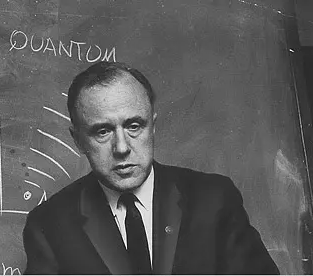
John Archibald Wheeler

John Archibald Wheeler – Theoretical physicist who Stephen Hawking called “the hero of the Black Hole story” (Baltimore City College)


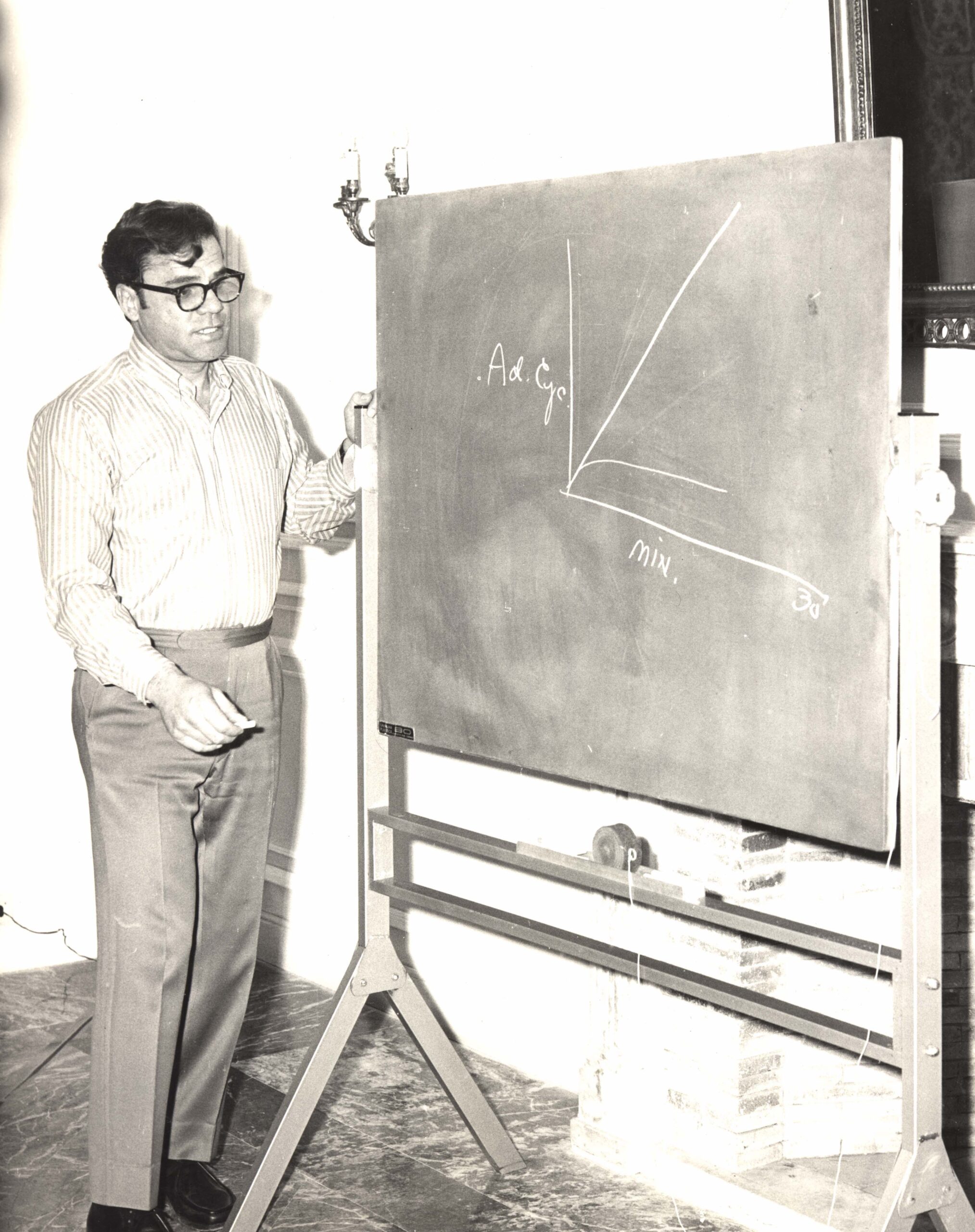
Martin Rodbell

Martin Rodbell – Biochemist and 1994 winner of the Nobel Prize in Physiology (Baltimore City College)


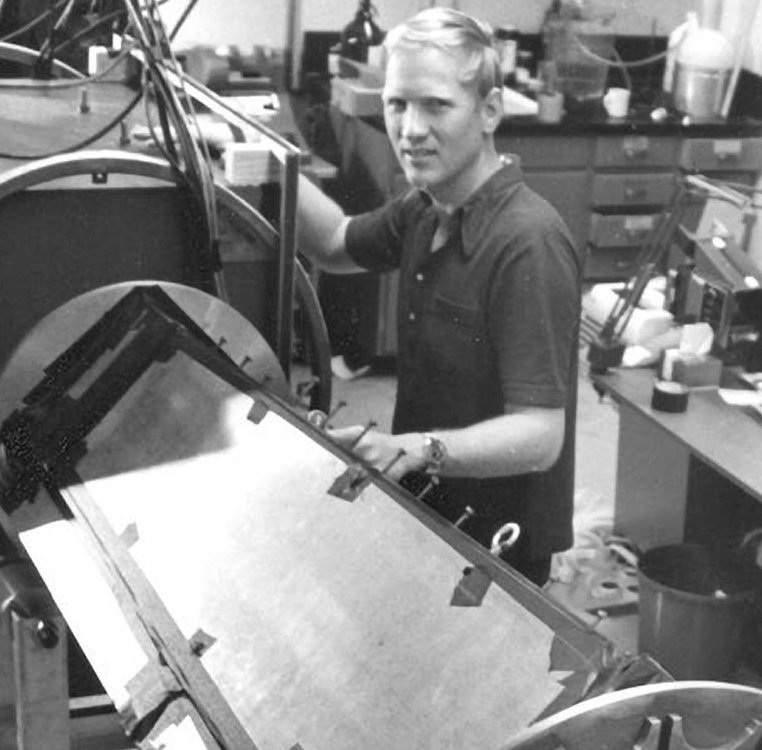
John Clauser

John Clauser – Physicist and winner of the 2022 Nobel Prize in Physics (Baltimore Polytechnic Institute)


–Johns Hopkins, Executive Director