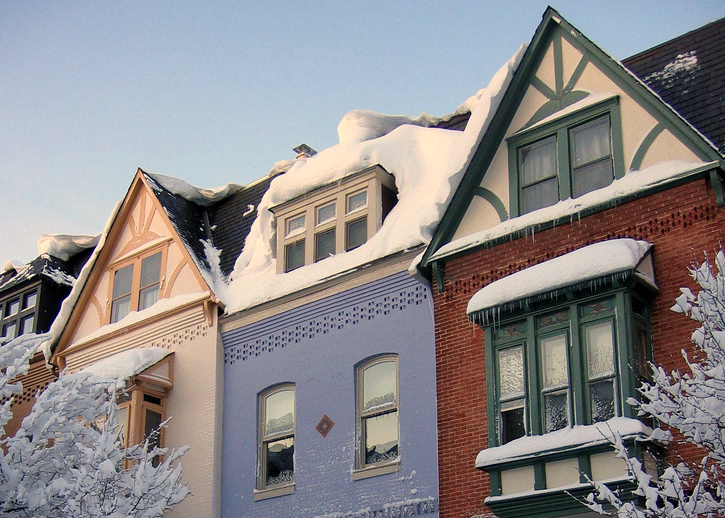
Starting to think about a home renovation project for next spring? Or even next month? If you’re doing work on your historic house, you may be eligible for the Maryland Historic Rehabilitation Tax Credit program which offers generous incentives for home-owners in designated historic districts. With over seventy historic districts across the city, thousands of Baltimore home-owners are eligible for a 20% tax credit on rehab projects from roof repair, wood window restoration, or even a replacement furnace. Baltimore City also offers a historic tax credit that can help control the growth of your property taxes for up to a ten-year period. Learn more about historic tax credits in our comprehensive guide or find more resources for homeowners.
Historic Tax Credit Education Workshop
All workshops will be held from 7:00 pm to 8:00 pm in the basement gallery at the Baltimore Heritage offices located at 11 1/2 West Chase Street. RSVP today for one of our three upcoming workshops!
Monday, December 19
Wednesday, January 18
Tuesday, February 21
We’ll be joined for our three historic tax credit workshops by Patricia Adams from Jubilee Baltimore, a local community development nonprofit that assists property-owners from across the city with preparing and submitting tax credit applications. Jubilee Baltimore is offering special assistance to property-owners in the Greenmount West neighborhood providing free support on their historic tax credit applications.
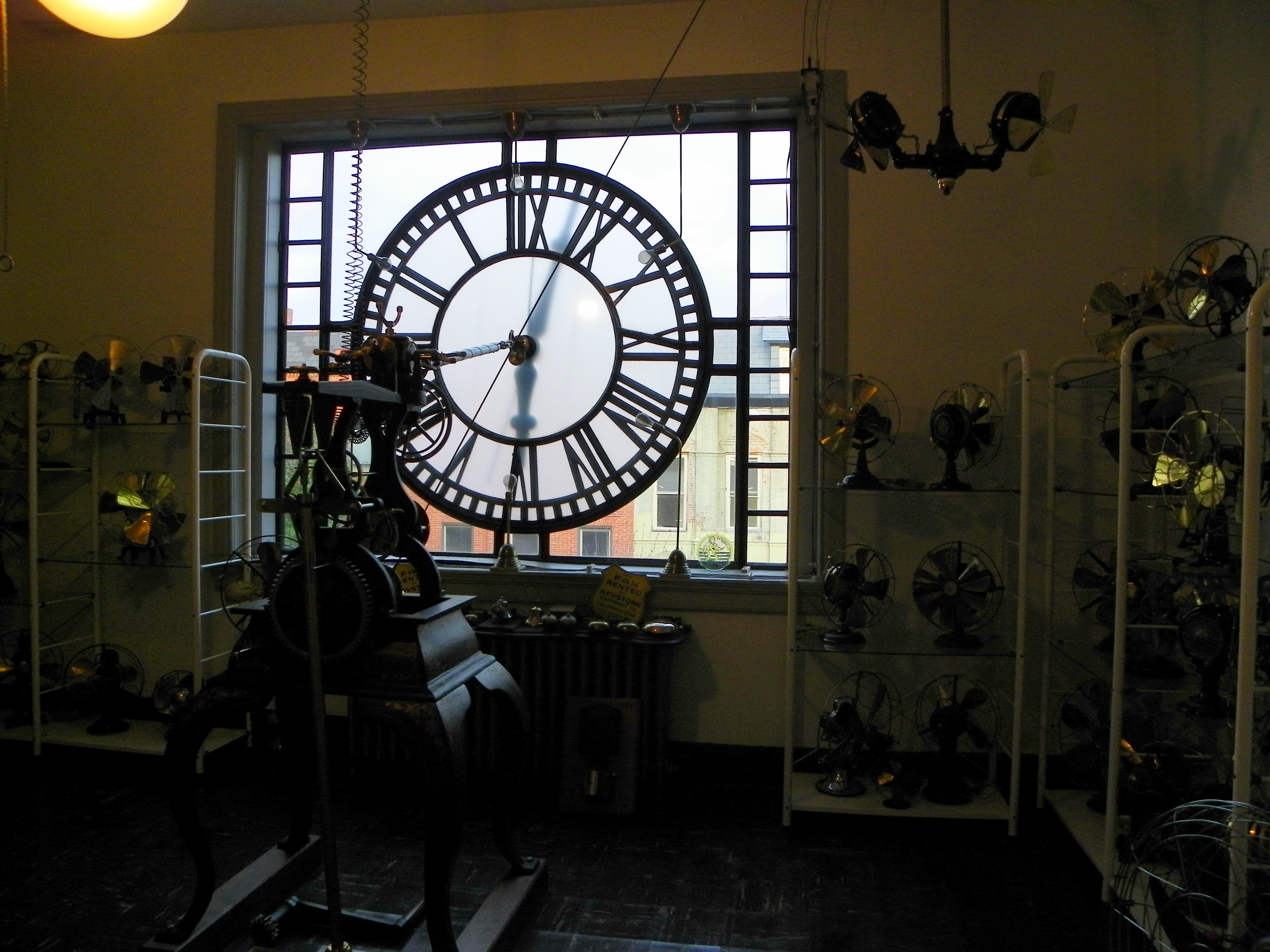
Back by popular demand, we are again offering a tour of one of Baltimore’s most special places: Mr. Durward Center’s “Clock House.” With a lifetime of training and devotion, Mr. Center has blended the best of a Victorian Baltimore rowhouse with ticking, whirring monuments to historical clocks and mechanical musical machines. He even has a clock on the front that is shaped like a dragon holding a bell in its mouth, which strikes the hours with its tail. If you missed this tour in 2009, please join us this time and be prepared to be charmed.
Tour Information
December 7 or December 8 (choose one only please)
5:30 to 6:00 pm wine and cheese reception, 6:00 to 7:00 p.m. tour
2100 St. Paul Street, 21218
$15 for Baltimore Heritage Members and $25 for non members (please join today!) We are holding two identical tours on separate dates in order to accommodate as many people as possible. Please choose only one date. The tours are the same. Each tour is limited to 25 people.
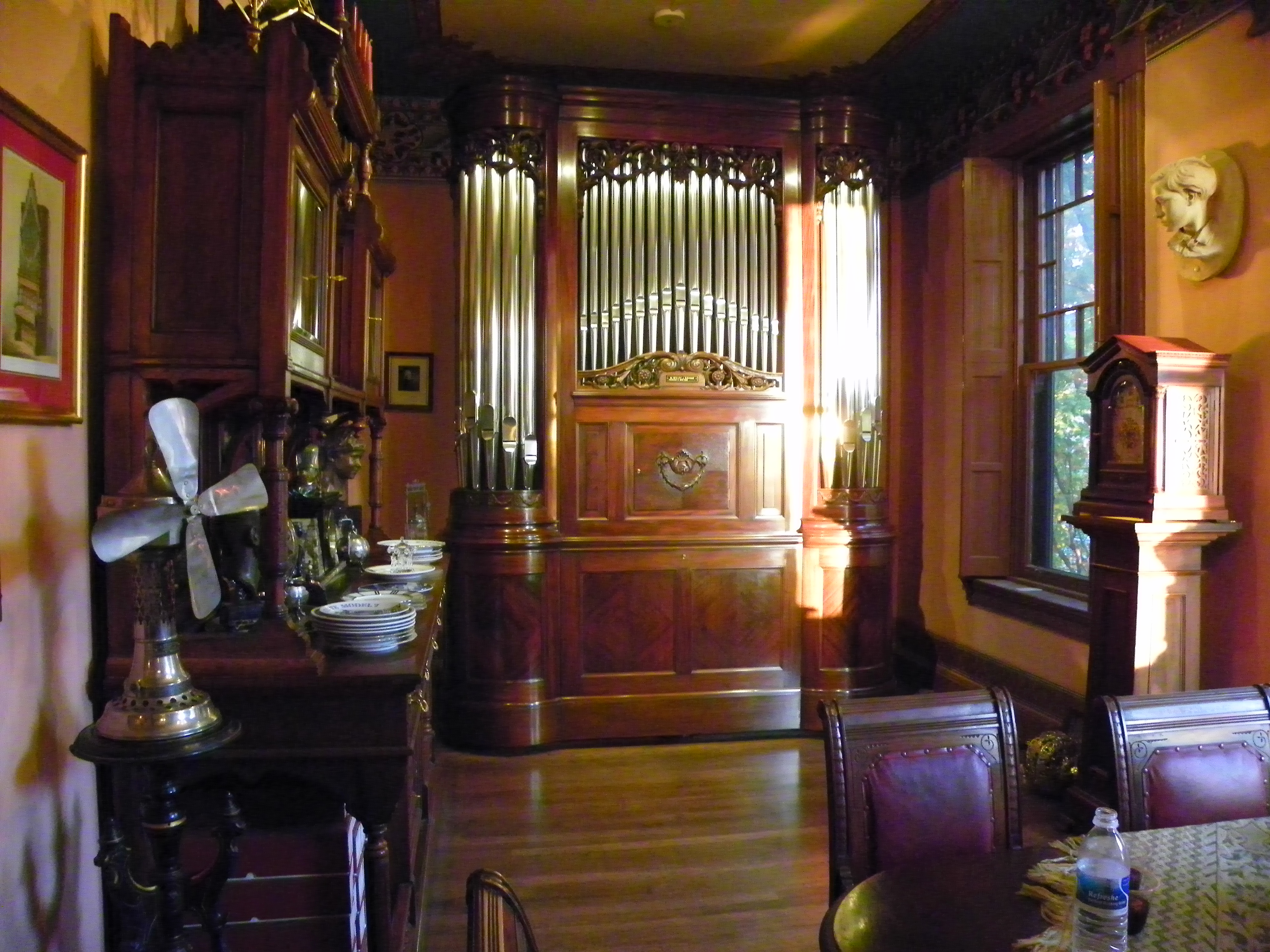
Known widely throughout Baltimore as “The Clock House,” Mr. Durward Center’s 2100 St. Paul Street Victorian home is a Mecca for lovers of early mechanical devices. By profession, Mr. Center is a restoration expert for antique tower-clocks and organs. He has worked on projects across the country, and as close to home as Penn Station in Baltimore. He is also the craftsman behind the restoration of the 1898 Welte “concert orchestration” that sat in the entrance to Oakley Court, the manor house outside of London which was made famous in Dracula movies (and perhaps infamous in The Rocky Horror Picture Show) For his St. Paul Street house, Mr. Center has installed three clock dials on the outside, including the dragon clock, and has an almost endless collection inside. A music room contains early mechanical musical devices which he has restored. One notable item is an antique organ with a custom-made wooden case by Baltimore woodwright Thomas Brown, whose shop was a stop on a previous Baltimore Behind the Scenes tour. Please join us and our host, Mr. Durward Center, as we learn (and literally hear) about the fascinating marriage between a historic Baltimore rowhouse and a world-class collection of early mechanical devices.
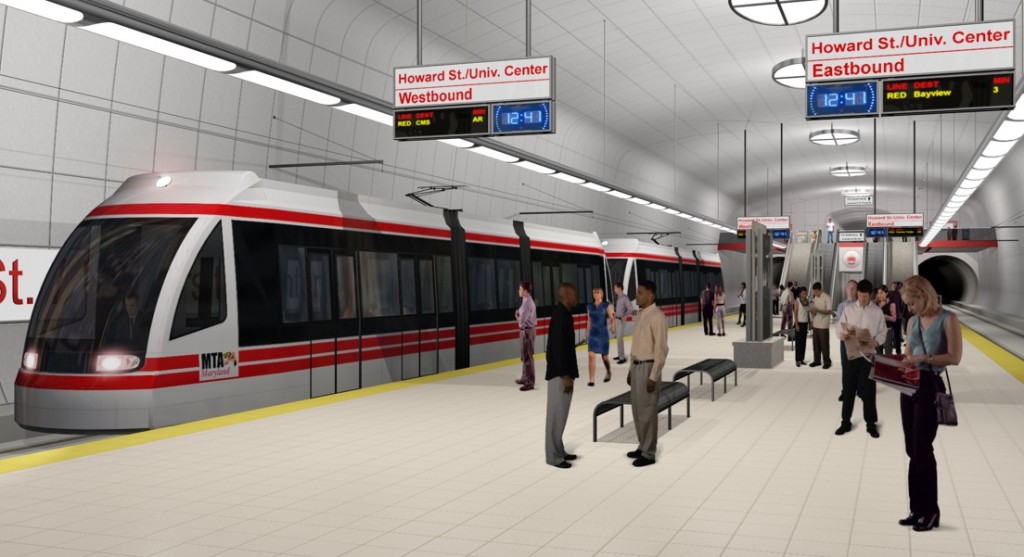
After months of exploring new neighborhoods and preservation issues — from redevelopment on the West Side at Alewife to discussing the future of heritage on Wikipedia at the Midtown Yacht Club — we’ve arrived at our last Happy Hour for the year at Amour Baltimore in the Hollins Market neighborhood. This month’s Young Preservationist Happy Hour is co-hosted by the Baltimore Red Line Community Liaisons and it’s a great opportunity to visit a fun corner of southwest Baltimore while learning about the future of transportation and revitalization in Baltimore.
Young Preservationist Happy Hour in Hollins Market
Thursday, December 8, 5:30 pm to 7:30 pm
Amour Baltimore, 1116 Hollins Street (near Hollins Market) RSVP today!
Come out and enjoy an evening of jazz music and tasty drink specials at Amour Restaurant, formerly known as Cockey’s Tavern, on Hollins Street! You can meet the Red Line Liaisons, get the latest updates on the Red Line project and have any questions about the Red Line answered. If this is your first Baltimore Heritage event, we’ll give you a free membership with discounts on tours and a subscription to our quarterly newsletter. Please RSVP for a chance to win free Behind the Scenes tour tickets on December 8!
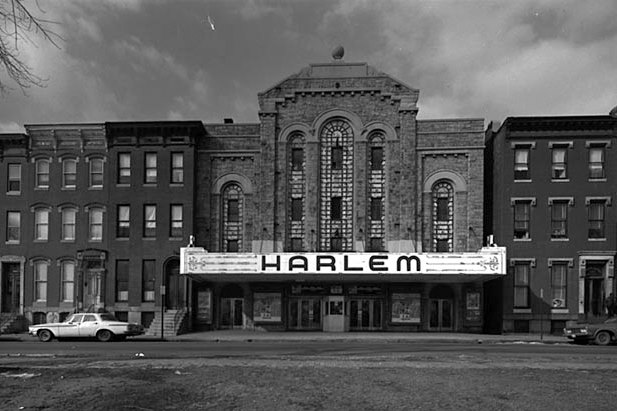
Thanks to Baltimore Heritage intern Elise Hoffman for researching and writing this post on the history of the Harlem Theatre. This post is cross-posted from the Friends of West Baltimore Squares blog.
The Harlem Theatre, now known as the Harlem Park Community Baptist Church, is a local landmark on the western edge of Harlem Park– one of the city’s most extravagant African American movie theaters with a unique “celestial ceiling” featuring “twinkling electrical stars and projected clouds.” Built in 1902 as the home for the Harlem Park Methodist Episcopal Church, after they out grew their previous building, the structure still retains its ornamental Romanesque style with arched doors and windows made of rough blocks of Port Deposit granite.
Image courtesy the Maryland Historical Society, B1617
Harlem Park Methodist Episcopal Church did not remain in the area long however. After the building opened in 1903, two destructive fires — in December of 1908 followed by an even more severe fire in 1924 — led the congregation to sell the building and move out to a new church at Harlem and Warwick Avenues at the western edge of the developing city. At the same time the neighborhood began to transition from a largely segregated white to a predominantly black community, a change that almost certainly influenced the white congregation. In 1928, the congregation sold the church to Emanuel M. Davidove and Harry H. Goldberg, owners of the new Fidelity Amusement Corporation, established to build “a 1,500 seat motion picture theatre for Negroes…to be known as Harlem Theatre.”
The company hired architect Theodore Wells Pietsch, a notable Baltimore architect who also designed Eastern High School and the Broadway Pier. Pietsch took the property’s history into consideration when designing the new building: the theatre was made fireproof through the use of steel and concrete, and a fire extinguishing system was also included in the building’s design. Pietsh’s new design had an elaborate Spanish Mission theme described at the time as one of most elaborate designs on the East Coast and promoted as “the best illuminated building in Baltimore.” The bright façade included a 65-foot marquee with 900 50-watt light bulbs illuminating sidewalk underneath, “tremendous electric signs” around the marquee, and a forty-foot tall sign that could be seen from two miles away.
In October 1932, the owners organized a celebration to open the theater “in a blaze of glory” drawing jubilant crowds of 5,000 to 8,000 people. The jubilant scene was described by a journalist:
“The blazing marquee studded with a thousand lights made the entire square take a semblance of Broadway glamour. The marquees illuminated the entire Harlem Square which was crowded with those who lined the sidewalk unable to gain admittance.”
Over the next forty years, countless numbers of Baltimore residents enjoyed the theatre’s “cavernous three-story high ceiling, a balcony, carpeted floors and thick cushioned seats” and “celestial ceiling with twinkling electrical stars and projected clouds that floated over movie-goers’ heads.” The Harlem Theatre also hosted events supporting the broader community, such as a free “Movie Jamboree” in 1968 for the children of Baltimore workers donated by the theatre’s then-manager Edward Grot, and midnight shows to raise money for the local YMCA. Unfortunately for the Harlem, as movie theatres that previously discriminated against black customers began to desegregate in the mid 20th century, their business declined. By the mid-1970s, the Harlem Theatre had closed.
The building took on a new life in 1975 when Reverend Raymond Kelley, Jr. purchased the old theater and turned it into the Harlem Park Community Baptist Church dedicated on July 6, 1975. The building has been refurbished– the congregation traded in the old theater seats for pews and removed the large marquee–but much of the original historic character remains intact. Of course, the story of the Harlem Theatre also remains in the memories of thousands of Baltimore residents and we hope you can share your stories with us in the comments.
Do you want to share your photos or stories of West Baltimore landmarks? Please get in touch with Eli Pousson at pousson@baltimoreheritage.org or 301-204-337.