Last week, the Baltimore Sun and others reported that Baltimore City is hiring an Annapolis-based appraisal firm to determine the “market value” of fifteen city-owned historic properties. Baltimore Heritage has asked the Mayor and the director of the Department of Public Works to make this process open and participatory—ensuring that there is a seat at the table for the many citizens and volunteers who for decades have protected and celebrated these important landmarks.
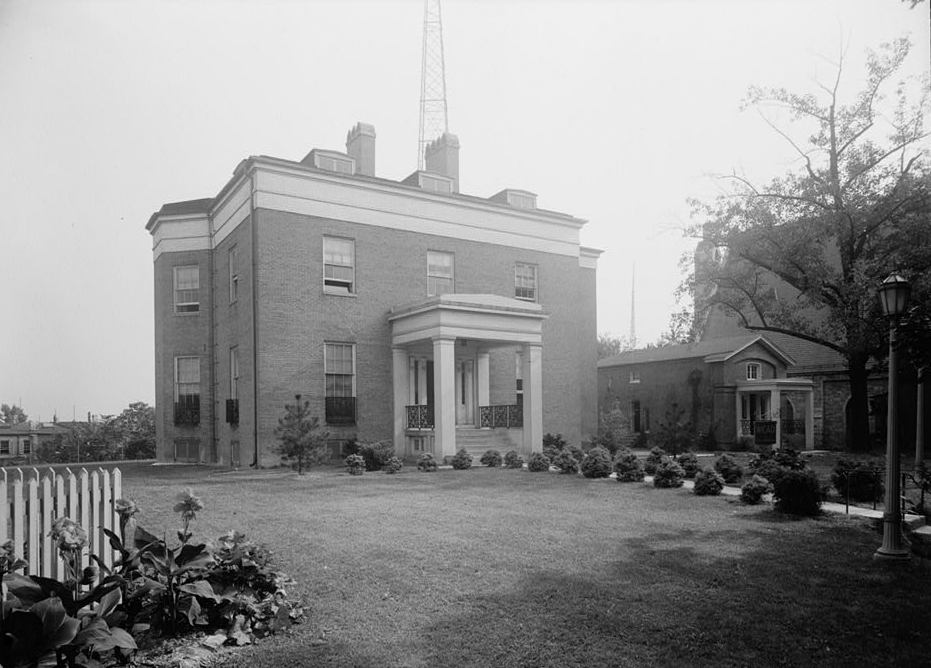
Our most important goal must be to make sure the buildings are occupied, well cared for and remain intact as public assets for Baltimore. These fifteen properties are irreplaceable reminders of our city’s long history from the War of 1812 through the development and civic life of Baltimore up through the present. In addition, the ownership for each building should be evaluated based on what is best for its repair and maintenance. There are many different forms of ownership that these properties could have, ranging from public ownership and public use, leasing to nonprofit organizations, or even outright private ownership and private use. These options, and others, should be considered with the long-term care of the building as the guiding principle.
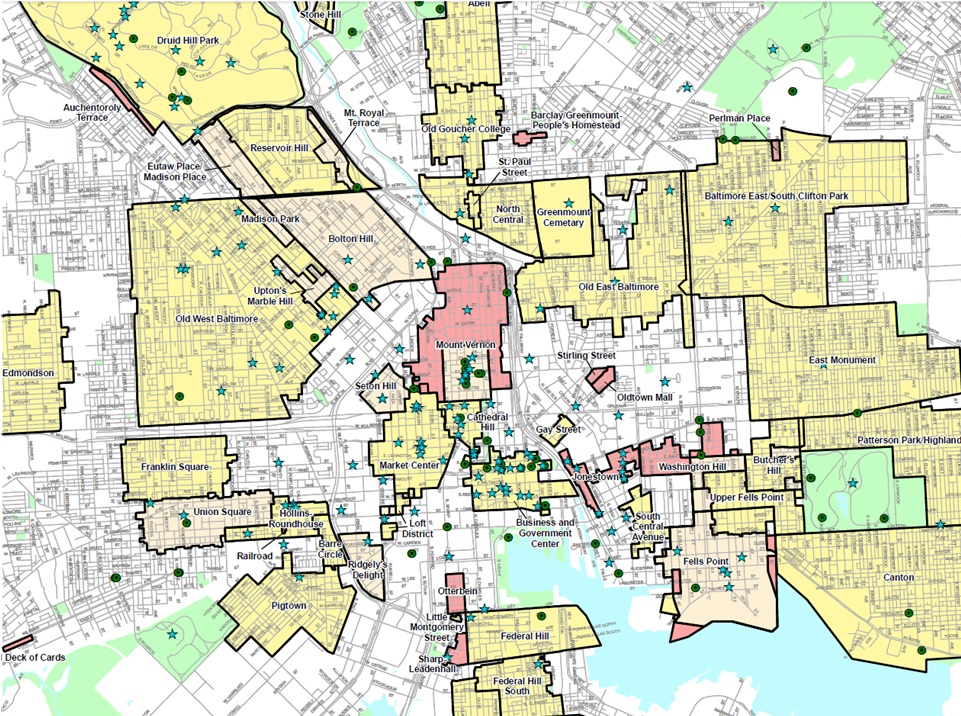
All of the properties should be protected with historic designation to make sure they are preserved, regardless of who owns them. Twelve of the fifteen properties are already on the city’s historic landmark list, requiring the approval of CHAP (the city’s preservation commission) for any exterior changes. Additional protections could include placing historic easements on the properties or including specific preservation requirements in leases or use agreements.
Finally, although the current proposal has targeted fifteen buildings, the city owns dozens more iconic historic structures — The Bromo Seltzer Tower, Patterson Park Observatory, Flag House, H.L. Mencken House, Washington Monument, and Babe Ruth House, are all city-owned historic properties. If nothing else, the attention and concern over this study has put city-owned landmarks in the spotlight. We should seize the opportunity to ensure a future for all of these historic places by creating an inventory of city-owned structures and a rehabilitation and maintenance plan for each.

For nearly all of these buildings, from the Shot Tower to President Street Station, local residents and preservation organizations have spent years, even decades, working to celebrate their unique stories and preserve them for our city’s future. These leaders understand the importance of this history more than anyone else. They and the city’s preservation commission must be at the center of any consideration for their future.
Baltimore City-Owned landmarks identified for possible lease or sale
- Superintendent’s House, Clifton Park
- The Peale Museum, 225 N. Holliday St.
- Shot Tower, 801 E. Fayette St.
- Public Works Museum – Eastern Avenue Pumping Station, 701 Eastern Ave.
- Upton Mansion, 811 West Lanvale St.
- Valve House at Clifton Park, 2803 Saint Lo Drive
- Roland Park Water Tower, 4201 Roland Avenue
- West Arlington Water Tower, 4025 Ridgewood Avenue
- Engine House No. 6 – Baltimore Fire Museum, 416 N. Gay St.
- Cylburn House and Park, 4515 Greenspring Ave.
- McKim Free School, 120 E. Baltimore St.
- War Memorial, 101 N. Gay St.
- Old Town Friends’ Meeting House, 1201 E. Fayette St.
- Civil War Museum, President Street Station
- Orianda Mansion, Crimea Estate in Leakin Park, 4921 Windsor Mill Road