Looking for Archeology in Herring Run Park? Ask big questions to find tiny artifacts

We’re glad to share this post from local archeologist Lisa Kraus about a new project we’ve been working on this fall: archeology in Herring Run Park! Lisa and her husband, Jason Shellenhamer, along with volunteers from the Northeast Baltimore History Roundtable have made some exciting finds in just the past few weeks. Read on for Lisa’s reflections on our progress and learn more about archeology in Baltimore.

My husband Jason and I moved to Northeast Baltimore in 2012, and were immediately intrigued by the tantalizing little glimpses of history we saw all over our neighborhood. We spotted a few 19th-century farmhouses sitting a little askew on the predominantly 20th-century landscape. We heard stories about an old pickle factory that once sold pickles for a nickel, right down the street from our house. We spotted a one-room schoolhouse that had been expanded into a social club, and an old stone mill building built into a hillside. We walked through the 19th-century German Lutheran cemetery nestled in the center of Montebello Park. While walking our dogs, we found Hall’s Spring and the shell of the old Eutaw Methodist Church in Herring Run Park, and wondered about the vanished communities those facilities once served.

Photograph by Bryson Dudley, 10 October 2011. Courtesy Monument City Blog.

Since we’re both archeologists and share a persistent curiosity about the past, we started looking at historical maps of Baltimore and trying to reconcile them with the modern landscape. We spent weekends at the archives doing research. It became clear that our neighborhood had a deep history, with European- and African-American settlements dating back to the 1600s and 1700s, and the possibility of prehistoric occupation stretching back thousands of years. To our surprise, we found that very little archaeology has been done in our neighborhood and we started thinking about how we could change that.

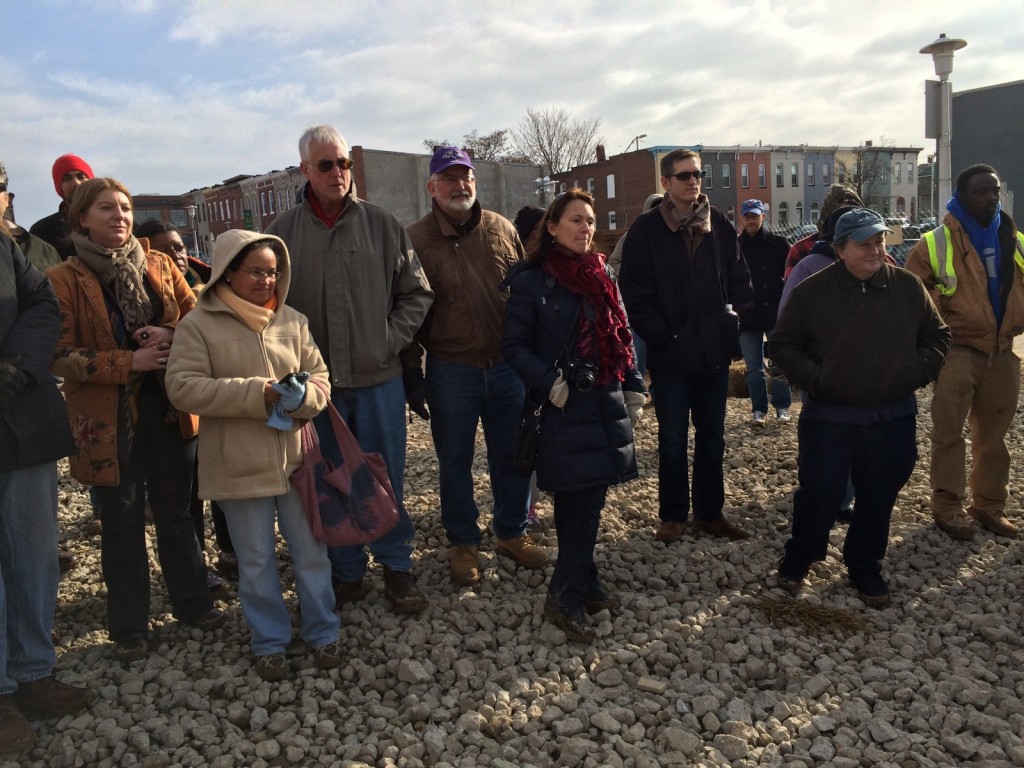
Photo by Lisa Kraus, November 2014.
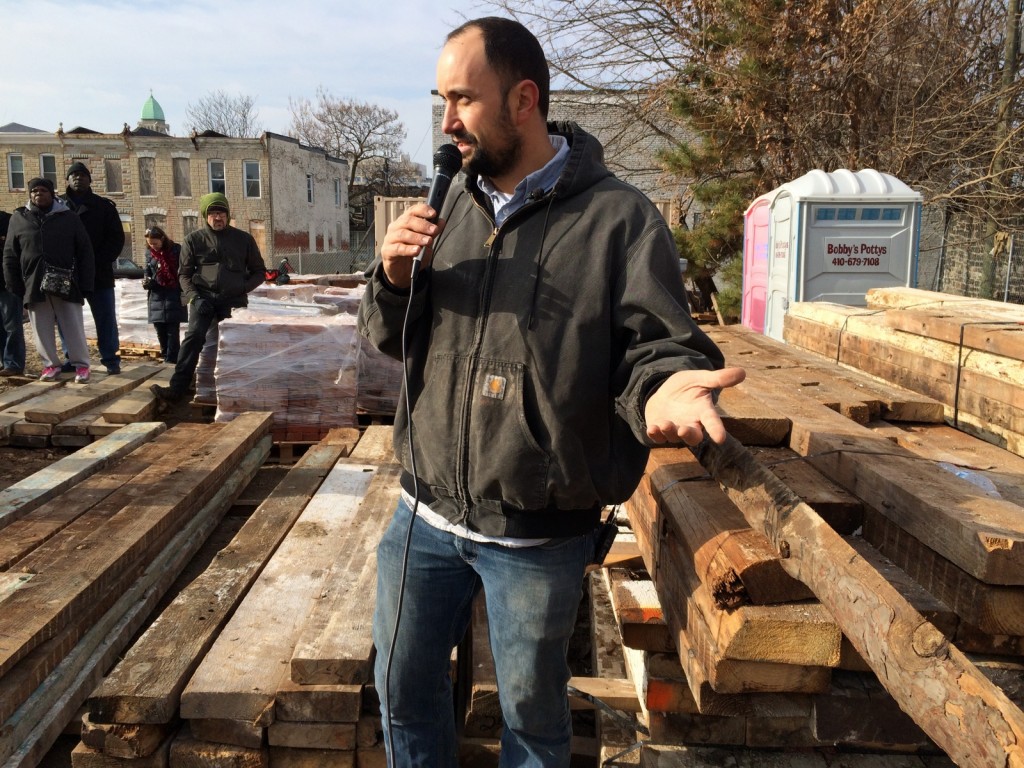
Jason head-deep in a shovel test-pit. Photo by Lisa Kraus, November 2014.

Through some sort of cosmic serendipity, right about the time Jason and I started talking about starting an archaeology program in our neighborhood, the Northeast Baltimore History Roundtable approached Baltimore Heritage about starting a public archaeology project in Herring Run Park. After meeting with both groups and coordinating with the Friends of Herring Run Parks and the Baltimore City Department of Recreation and Parks, we set out for the park to see what we could find.

We were searching for sites that could tell us something new, something we couldn’t learn from books, maps or other records. After all, written history often reflects the interests and concerns of a limited group of people. Many wealthy and influential people called Baltimore home over the years, but most of the city’s former residents left few written records behind. Archeology is one of the best ways to learn more about the lives of the poor, the working classes, immigrants, women, children, free and enslaved African Americans, and Native Americans.

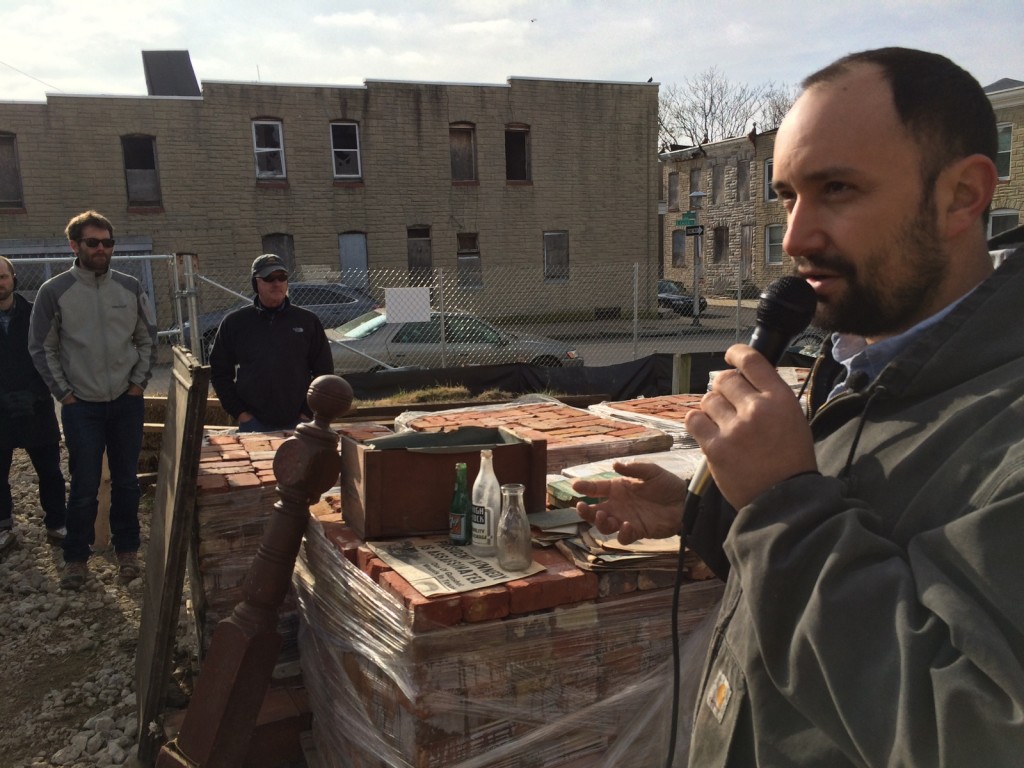
Photograph by Lisa Kraus, November 2014.

Very little is known about early residents of Northeast Baltimore. Who worked at the mills, the hotels and taverns, the farms that existed here in the 1800s? Who were the earliest immigrant settlers in the area, and where did they live? Were there Native American settlements and camps here? What were the lives of all these early residents like, and how did they influence the area that eventually became Greater Lauraville? How has the neighborhood changed over time, and what has stayed the same?

Over the last few months, we’ve discovered sites in Herring Run Park that could answer many of these questions, and raise many more. We’re looking forward to working with our partners, neighbors, students and volunteers as we make more discoveries, and we hope you’ll join us!

Thank you to Lisa for her commitment to the Herring Run Park Archeology project. Don’t forget to check out Jason’s research on the early history of Eutaw Farm in Herring Run Park with historic maps and images. Stay tuned for more updates (including volunteer opportunities) in the next few months!

News: New Life for Old Jewish Landmark

Special thanks to historian Deb Weiner for her efforts to help us keep spreading the word about Baltimore’s Hebrew Orphan Asylum!

New Life for Old Jewish Landmark, Simone Ellin, Baltimore Jewish Times,‍‍ November 18, 2014.

“I think it’s an incredibly important building,” said local historian Deb Weiner of the Romanesque-style building designed by architects Edward Lupus and Henry A. Roby. “After B’nai Israel and the Lloyd Street Synagogue, it’s probably the most important building to the Baltimore Jewish community. “It represents the era, in the 19th century, when Jews started to build charities,” Weiner continued. “It shows how the community was becoming more affluent and could afford it.” …

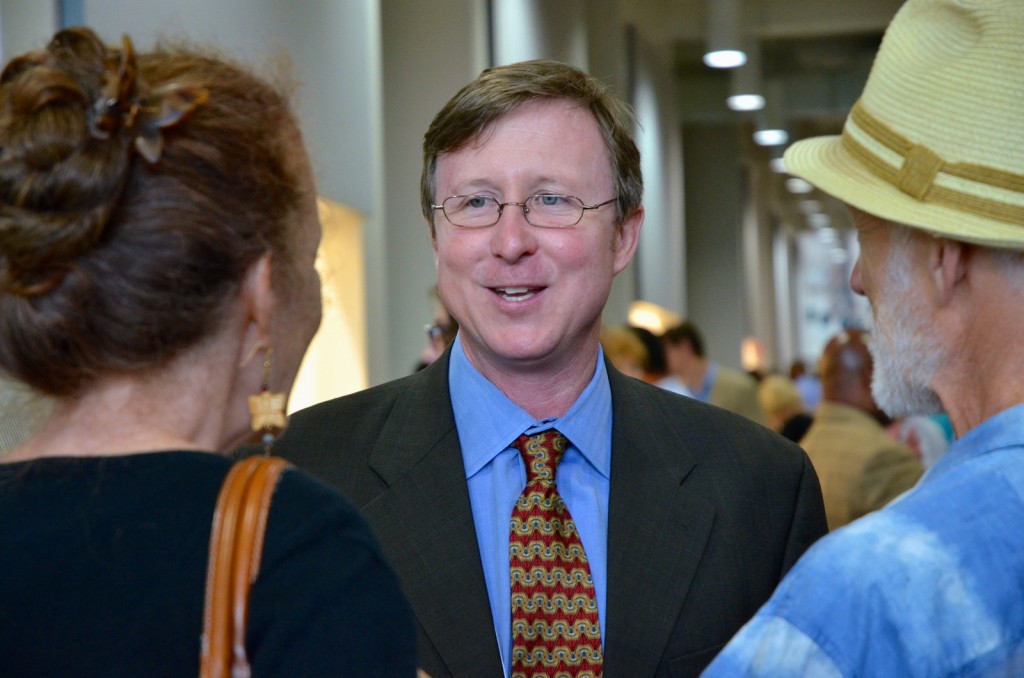
“We got involved when there was a proposal to demolish the building,” said Johns Hopkins, executive director of Baltimore Heritage, Inc. and a board member of the Coppin Heights Community Development Corporation. “Then Coppin State got a new president who thought the building was an asset.” Hopkins and his colleagues worked with Coppin State to get the building on the National Register of Historic Places in 2010. “It was a slam-dunk,” said Hopkins, “since the building was so significant both architecturally and historically.”

With support from Coppin State, in 2012, the Coppin Heights Community Development Corporation, Baltimore Heritage, Inc. and architectural firm Kann Partners were granted a $2.5 million tax credit from the Maryland Sustainable Communities Tax Credit program. A state study later concluded that the neighborhood around the building was one of the five least healthy in the state, leading Lt. Gov. Anthony Brown to announce that the neighborhood would encompass one of five new Health Enterprise zones. The Coppin Heights Community Development Corporation will now restore the building and create a full-service medical facility called the Center for Health Care and Healthy Living.

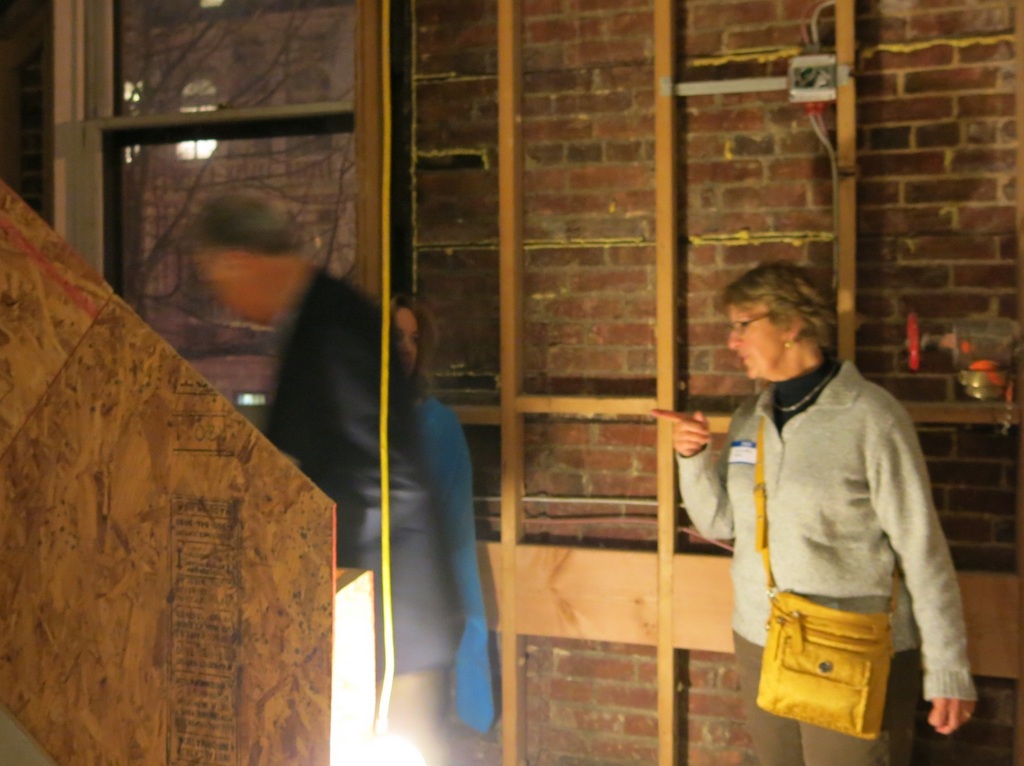
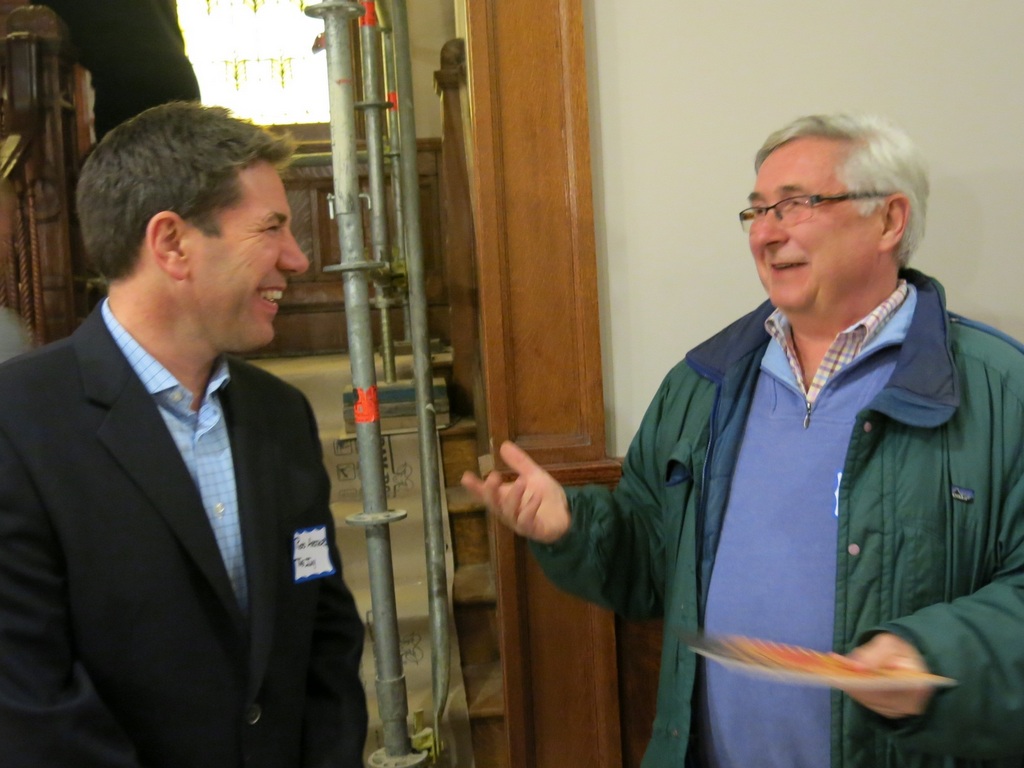
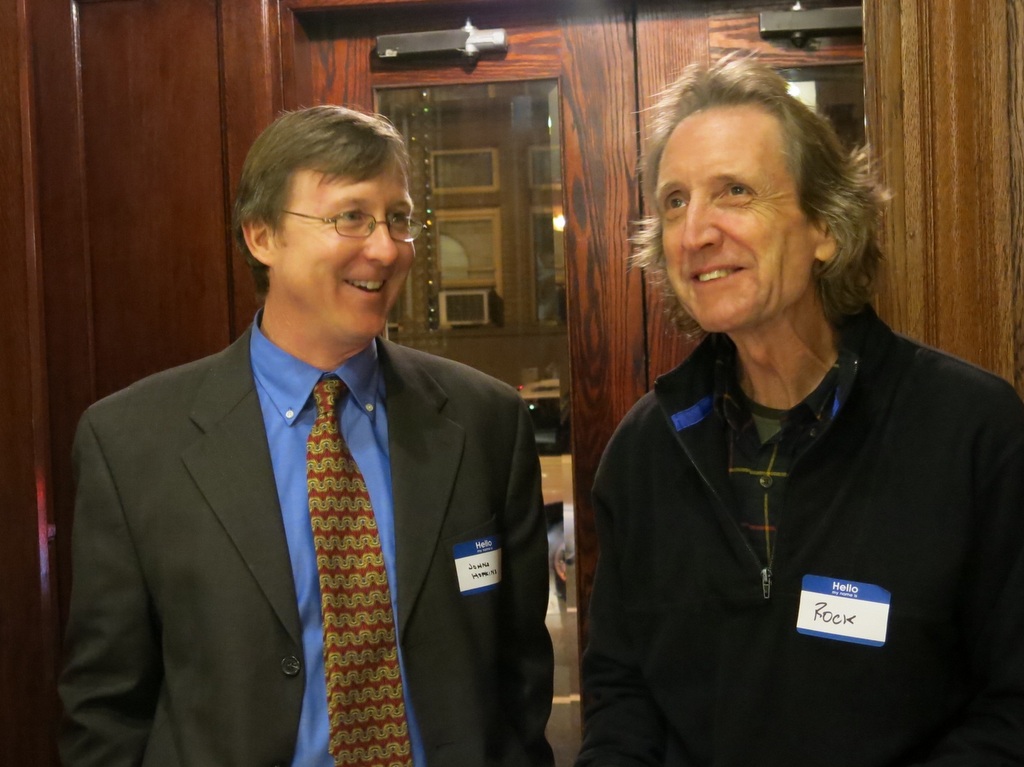
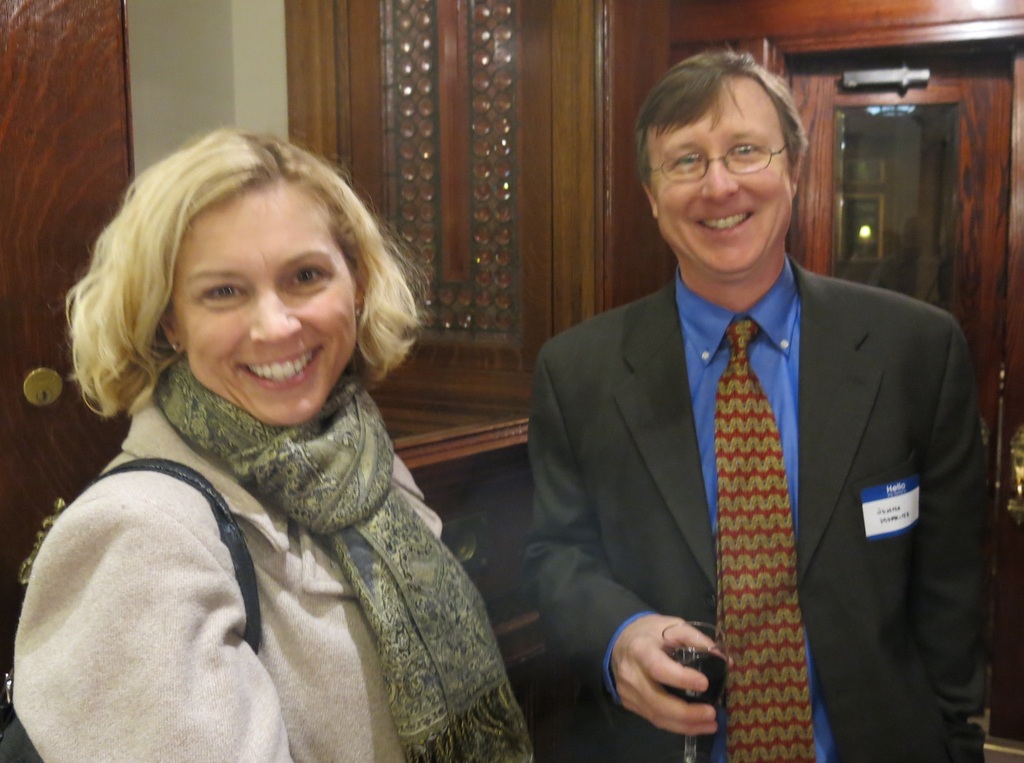
Celebrating the Karen Lewand Preservation Education Fund at the Ivy Hotel

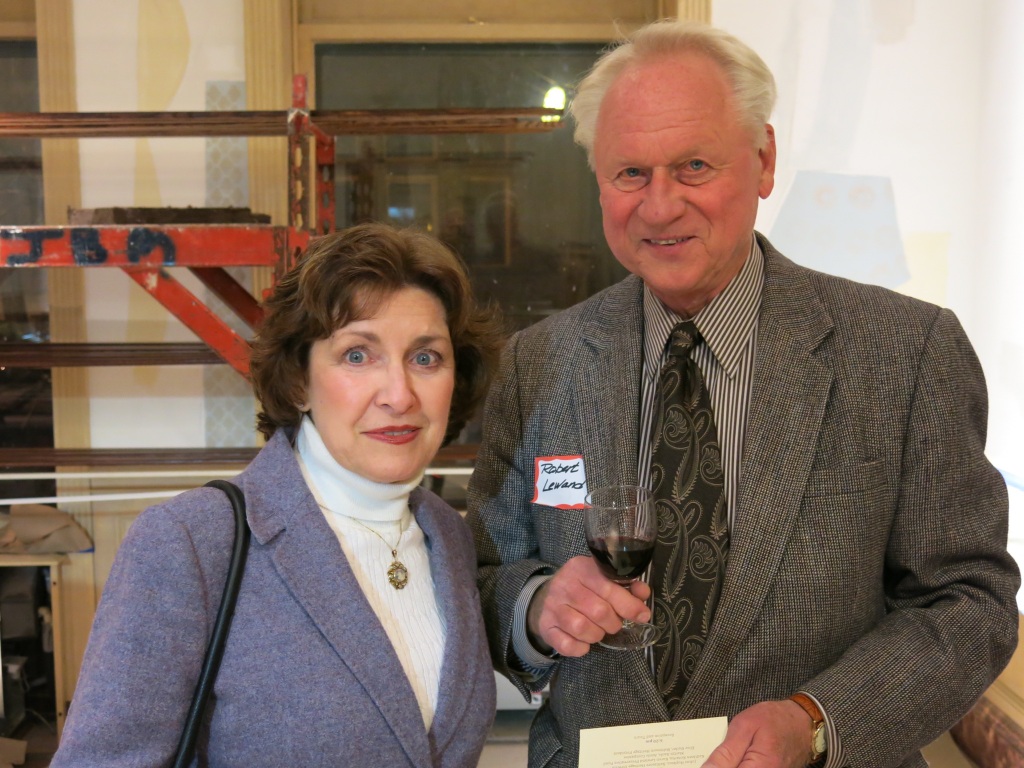
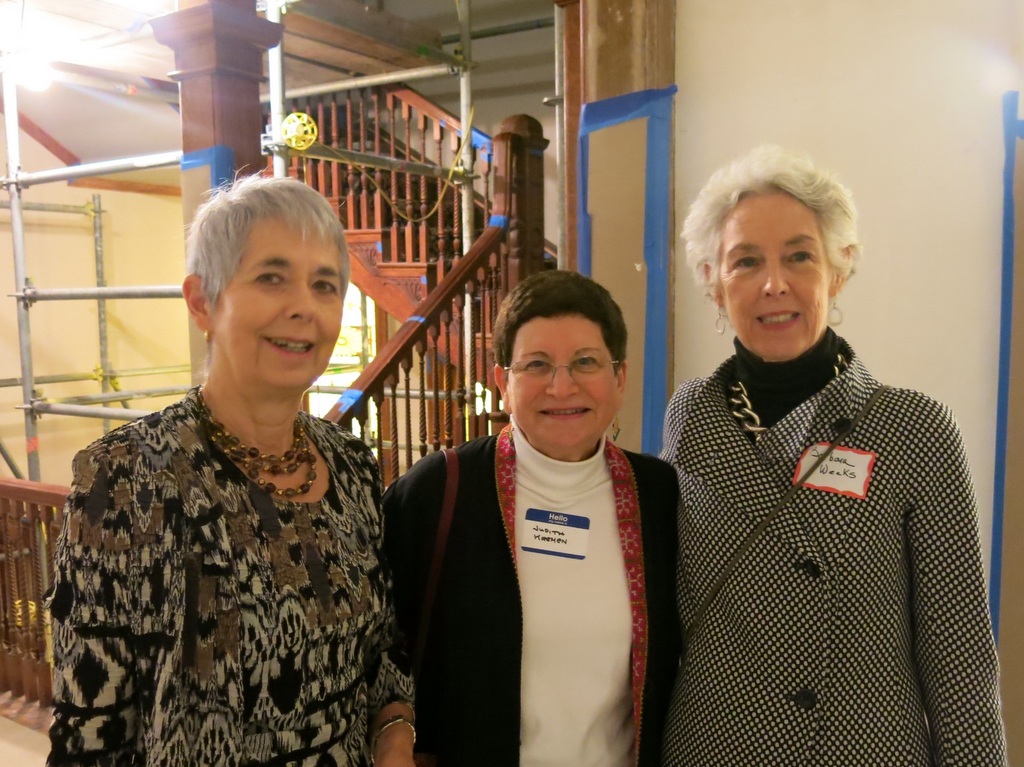
It has been two years since our colleague, friend and inspiration Karen Lewand passed away. The historic preservation education fund that she created is almost two years old as well, and it is our privilege to celebrate Karen’s legacy and the ongoing good work that she made possible at Baltimore Heritage. As a way to say thank you for the over two hundred individuals and businesses who contributed to the education fund in 2012 and 2013, we are throwing a party and inviting you to join us for a reception and tour of the Ivy Hotel in Mount Vernon on the evening of Wednesday, December 3.

Karen and Bob Lewand, June 2010

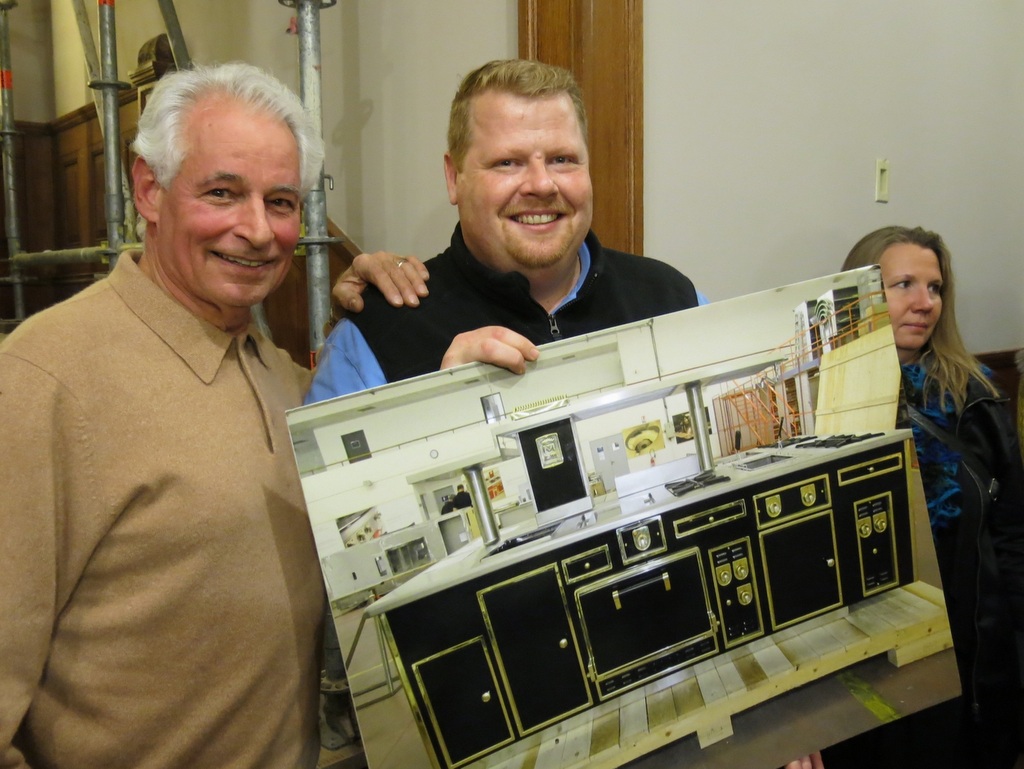
The Ivy is in the middle of a comprehensive restoration to turn the neighborhood landmark into a first-class boutique inn. The 1889 mansion started its life on Calvert Street as a home for John Gilman. William Painter, inventor of the bottle cap and founder of the Crown Cork and Seal Company, and Robert Garrett, double gold medalist at the first modern Olympics in 1896, also took turns owning and enjoying the mansion. The Ivy is a fantastic place and with the help of the Azola Companies, our host and the building’s owner, and Ziger/Snead Architects are returning to its full Gilded Age glory.

Image courtesy Azola Companies

Special thanks to everyone who has supported the Karen Lewand Historic Preservation Education Fund and for making our work in Baltimore possible.

Photos: PastForward 2014 Conference in Savannah, Georgia

We are in Savannah, Georgia this week to spend a couple of days learning with fellow preservationists at the PastForward 2014 conference organized by the National Trust for Historic Preservation. Baltimore and Maryland are well represented at the conference by staff from the Maryland Historical Trust, Preservation Maryland and, of course, Johns and me!

Since we couldn’t bring you all with us, we wanted to share a few photos from the first few days of our trip – including rowhouses, parks, monuments and more! You can also participate in the conference from home as a virtual attendee.

Holidays tours of a Medieval mansion and great Gothic church! Join our new Behind the Scenes tours

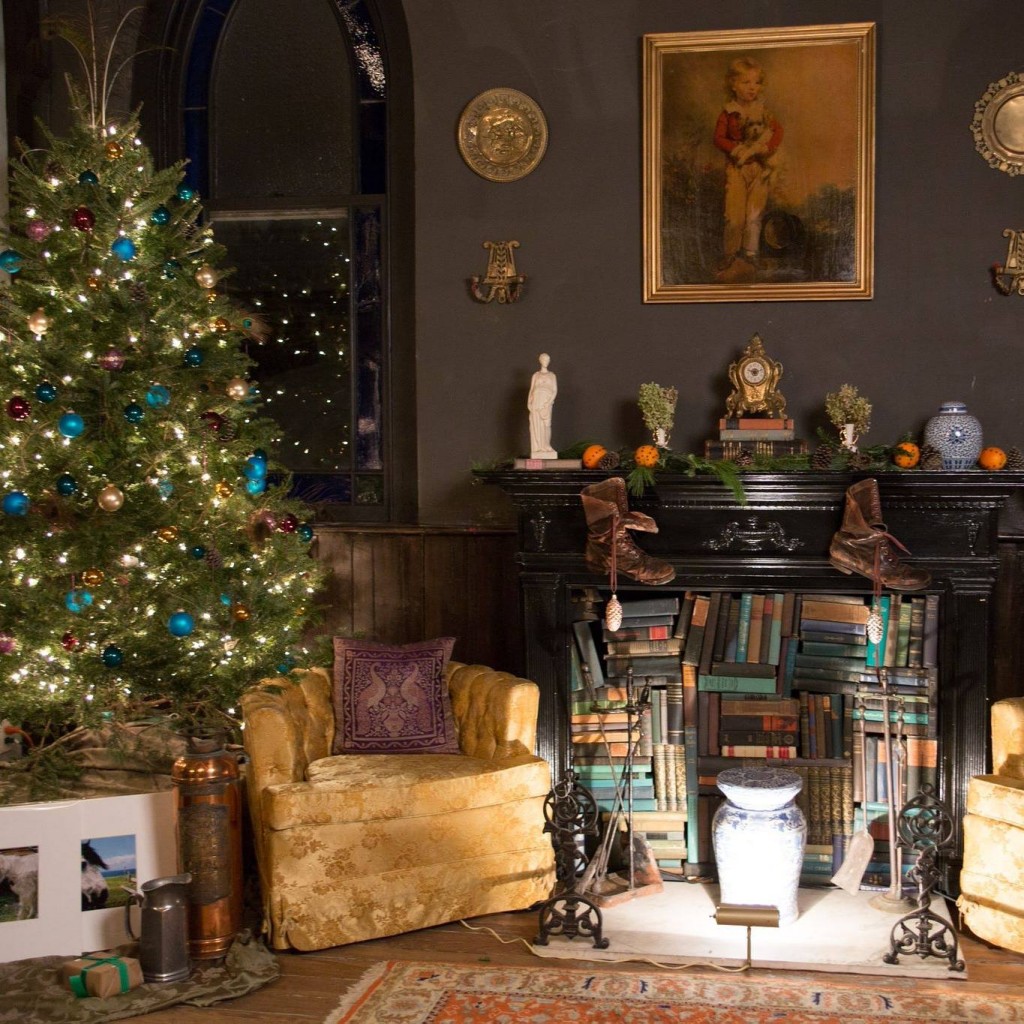
As we head into Thanksgiving and the holiday season, we’re pleased to be able to share a few new heritage tours. We hope you can spend an evening or two with us this fall. OnNovember 19, we’re heading to G. Krug and Son Ironworks – the oldest ironworks company in America and the home of a new museum to showcase 200 years of Baltimore iron-making. In December, we’re starting the holiday season with a tour of the Cloisters, an enchanting medieval house that will be decorated for the holidays. And finally, we hope you’ll join us (and bring an out-of-town guest) for a tour of St. John’s in the Village, a charming Gothic church that is ever so British.

You also might enjoy the first few posts in a series documenting what we are calling the Great Western Rowhouse Roadtrip—an exploration of rowhouse neighborhoods and historic preservation in Pittsburgh, Cincinnati, and Wheeling. Keep an eye here on our blog for more fun posts from the trip!

Finally, we want to share our special thanks to Azola Companies for sponsoring our Baltimore Behind the Scenes tours in 2014. Thank you to everyone who has joined or renewed your membership in our fall membership drive. If you haven’t renewed, please consider doing so today. Your support makes these heritage tours and all of our work in Baltimore possible.