Behind the Scenes Tour of the First and Franklin Presbyterian Church

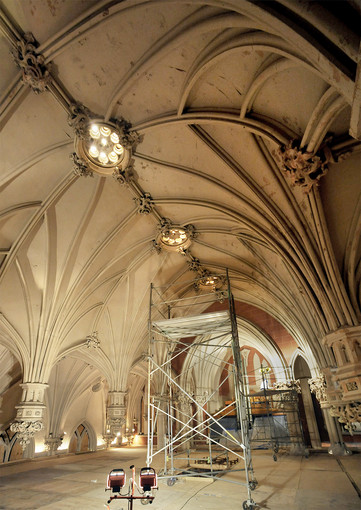
Image courtesy Baltimore Sun

We have a rare opportunity to climb up into the scaffolding inside one of the great interior historic spaces in Baltimore: the First and Franklin Presbyterian Church in Mount Vernon.  The church is in the midst of renovations, and we have a chance to see the historic building up close and up high before the scaffolding comes down with Rev. Dr. Alison Halsey, the church’s pastor and our tour guide.

The renovations are being undertaken by the architecture firm of Murphy and Dittenhafer.  Principal architect Michael Murphy, who was overseeing the work, passed away unexpectedly last week–an enormous loss for preservation and architecture in Baltimore.  We are holding this tour as a tribute to Mr. Murphy and his contributions to Baltimore.

Tour Information

Date:   Sunday, February 21, 2010
Time:   2:00 PM – 3:00 PM
Place:   First and Franklin Church, 210 West Madison Street at the corner of Park Avenue
Meet at the church’s “Backus House,” on Madison Avenue next to the church
Park on the Street
Cost:    $10
Read more
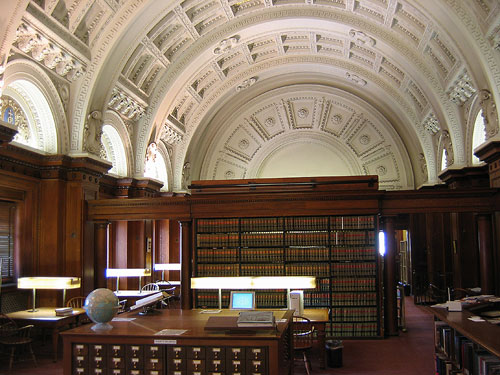
Behind the Scenes Tour of the Baltimore Bar Library

A gem within a gem, the historic Baltimore Bar Library sits on the sixth floor of the historic Clarence Mitchell Jr. Courthouse with its barrel vault ceiling and luxurious oak paneling. Please join us for a tour of this fantastic space with three luminary tour guides: retired chief judge Joseph Kaplan, federal judge and Bar Library historian James Schneider, and Bar Library director Joseph Bennett. If you can’t make it out for the tour, you might enjoy this Legal Historian’s Tour of Baltimore from the Thurgood Marshall Law Library at the University of Maryland School of Law.

Image courtesy the Baltimore Bar Library

Tour Information

Cost:    $15 (includes wine and cheese reception)
Date:     Thursday, February 18, 2010
Time:     5:30 to 6:00 p.m. — Wine and Cheese
6:00 to 7:00 p.m. — Tour
Place:    Baltimore Bar Library, within the Clarence Mitchell Courthouse (map)
Park on the Street
Cost:      $15 (includes wine and cheese reception)
Read more

Threatened: Royer’s Hill ME Church

Anderson Automotive Site, WV Urban Developments LLC

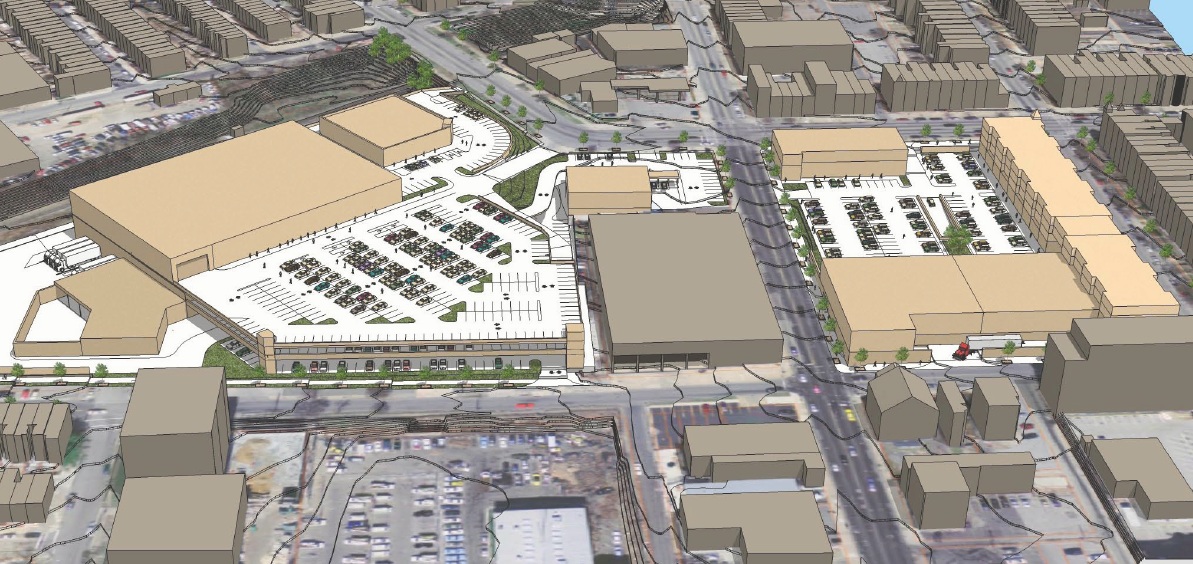
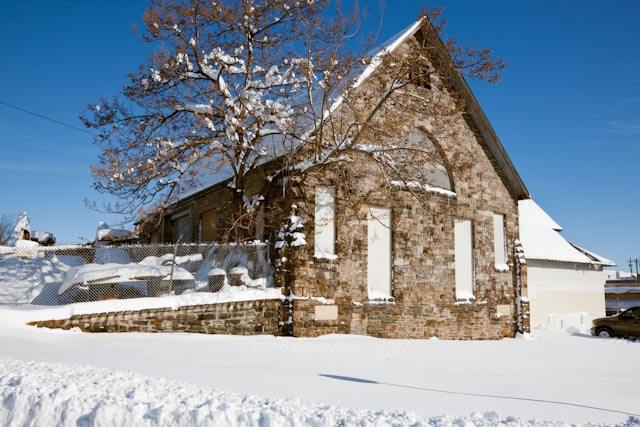
In November 2009, WV Urban Developments LLC presented their plans to develop the former Anderson Automotive Site with a Lowe’s, a grocery store, 32,000 square feet of retail, and up to 60 apartments in an area of  approximately 11 acres bounded by 25th Street to the north, Maryland Avenue to the east, 24th Street to the south and the CSX rail line to the west (map). The developer’s presentation to the community is available on the Charles Village Civic Association website here (PDF). After meetings with the Remington Neighborhood Alliance, the Greater Remington Improvement Association, the Charles Village Civic Association, and the Old Goucher Community Association the proposal was covered in a series of posts on Baltimore Brew, in the Baltimore Sun, and The Alligator, a Remington neighborhood blog. While the prospect of expanding neighborhood amenities, new jobs, and broader economic development is exciting, Baltimore Heritage has significant concerns regarding the proposed demolition of the former Royer’s Hill Methodist Episcopal Church at the southeast corner. This 1891 stone building began as a mission of the Lovely Lane Methodist Church and still serves as a landmark within the Remington neighborhood. We believe that this stone building, which retains significant historic character, should be preserved and utilized to help establish a successful transition between the large commercial development and the historic residential Remington neighborhood.

February 7, 2009, Image courtesy Dottie Campbell

Read more

Baltimore Building of the Week: 9 North Front Street

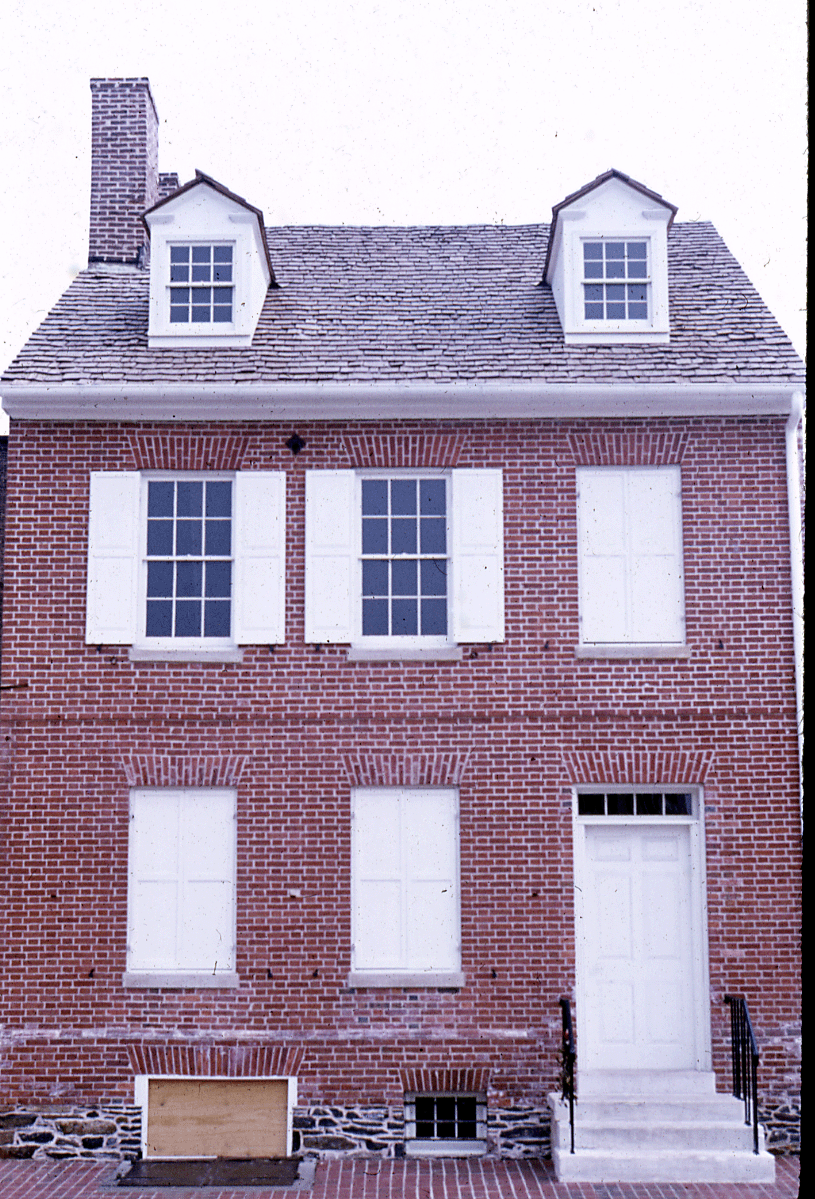
Staying in the historic Jonestown neighborhood for another week in our Baltimore Building of the Week series, Dr. John Breihan shares an exceptional example of the characteristic federal row house: 9 North Front Street. Read on then click here for an additional photo of 9 North Front Street from the interesting Monument City project.

Image courtesy Jack Breihan

The federal style of architecture was popular during Baltimore’s most vigorous period of growth, from the 1790s to the 1850s, when Baltimore vaulted into second place among American cities. The new residents were mostly housed in 1, 2, and 3½-story dormered brick row houses, less ornate than their Georgian predecessors. They are to be found all around the bustling harbor, from Fells Point through Little Italy and Jonestown to Federal Hill. A good example is 9 N. Front Street, the home of Baltimore’s second mayor, Thorowgood Smith, built in 1790. It was saved from deterioration by the Women’s Civic League during the 1970s. Other federal row houses preserved for public use include the Mother Seton House, the Star-Spangled Banner Flag House, and the Edgar Allen Poe House.