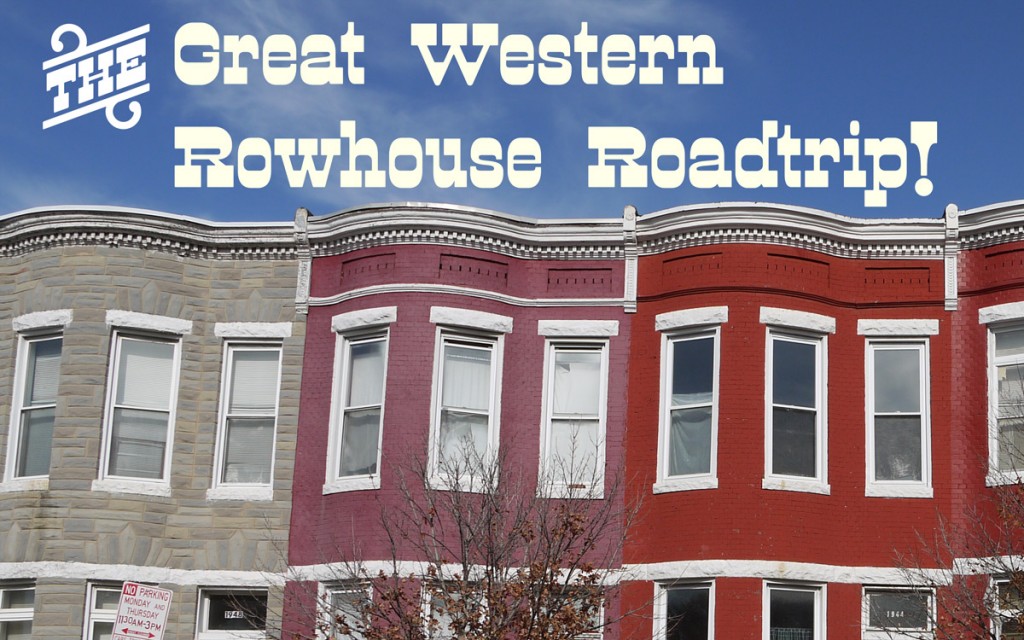
The Great Western Rowhouse Road Trip — Baltimore to Pittsburgh and beyond!

Yesterday afternoon, my colleague Charlie Duff of Jubilee Baltimore and I headed west out of Baltimore. Our quest? Look at rowhouses and rowhouse neighborhoods beyond Baltimore.

250 years ago, settlers piled their Conestoga wagons full of provisions at a tract of land John Eager Howard donated that later became known as Lexington Market and set out to Pittsburgh on what was then the Western frontier. Some of these settlers kept traveling west but some settlers  stayed and even built rowhouses! What are rowhouses like in Pittsburgh? What strategies are preservationists in Western Pennsylvania using to revitalize their historic neighborhoods?
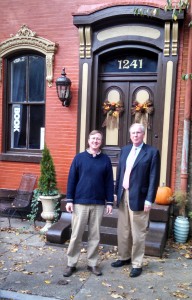
Johns and Charlie in Pittsburgh

Today, we will be meeting with the Arthur Zigler, the director of the Pittsburgh History and Landmarks Foundation and a veteran preservation advocate in Pittsburgh. We at Baltimore Heritage already have benefited from Arthur’s experience. Our revitalization through preservation work in West Baltimore borrows more than a few pages from Arthur’s playbook that we learned from a visit a few years ago.

After Pittsburgh, our next stop is Cincinnati—the Queen City! A few generations after Baltimore was a launching pad for Pittsburgh settlers, immigrants passed through Baltimore’s Locust Point and headed out  this growing metropolis on the Baltimore & Ohio Railroad. Did Cincinnati go wild with rowhouse building just like we did in Baltimore? What can we learn from their preservation efforts? In the Queen City, we are meeting with Paul Muller, the director of the Cincinnati Preservation Association who coincidentally is wrapping up a conference on the economics of historic preservation.

Charlie and I are not traveling by wagon or train, but in my Toyota Prius. While this lacks the charm and romance of earlier travel, it is a heck of a lot faster for this three-day journey. If you are interested in a slice of rowhouse life outside of Baltimore, stay tuned for a few updates from the front lines in Pittsburgh and Cincinnati.
Archeology, Wikipedia and the 150th Anniversary of Emancipation? Our fun mix of fall events

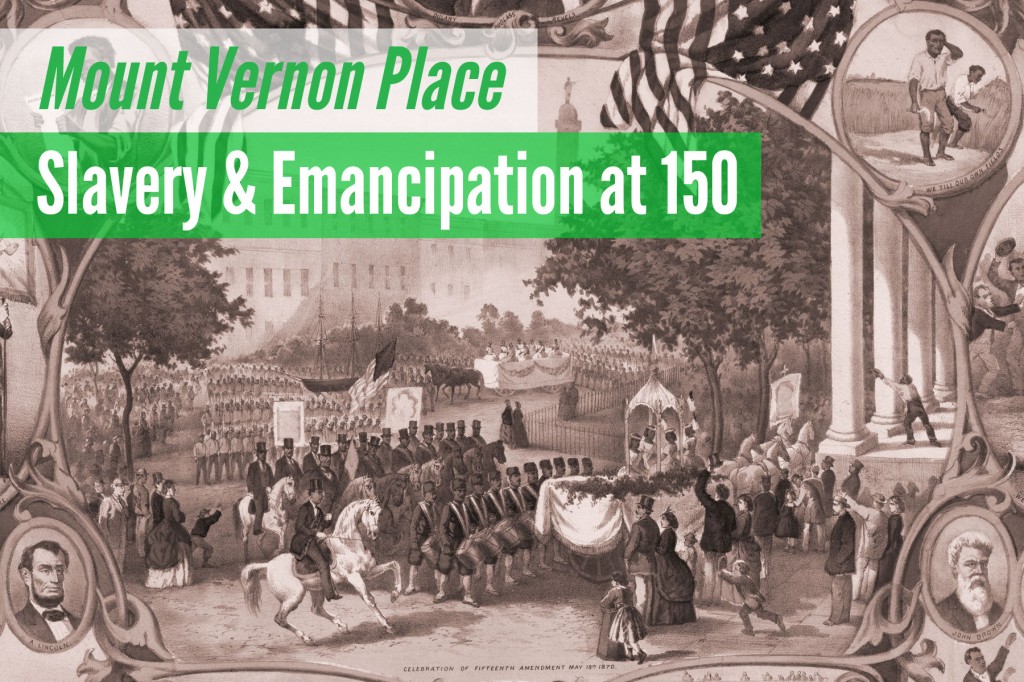
We have a really exciting mix of programs coming up on Saturday and over the next couple weeks! This Saturday, you could spend the day improving Wikipedia’s coverage of local history and meeting Dr. John Bedell (the lead archeologist for our We Dig Hampstead Hill investigation in Patterson Park). Next week, you can find us celebrating with the Commission for Historical and Architectural Preservation at City Hall—a key partner in saving places that turns 50 years old this year. Finally, in early November, we are remembering the 150th anniversary of Emancipation in Maryland with a walking tour on the history of slavery and emancipation around Mount Vernon Place.

Special thanks to all of our members who have renewed their support for Baltimore Heritage over the last few weeks. Renewing your support is critical in helping us continue to offer tours and educational programs. Your support also helps us to save historic places like the Hebrew Orphan Asylum, which is celebrating new plans for a $12.4 million rehabilitation, and assist partners like the brand-new G. Krug & Sons Museum. Please join Baltimore Heritage or renew your membership today!

News: Field Tripping – Getting Historic

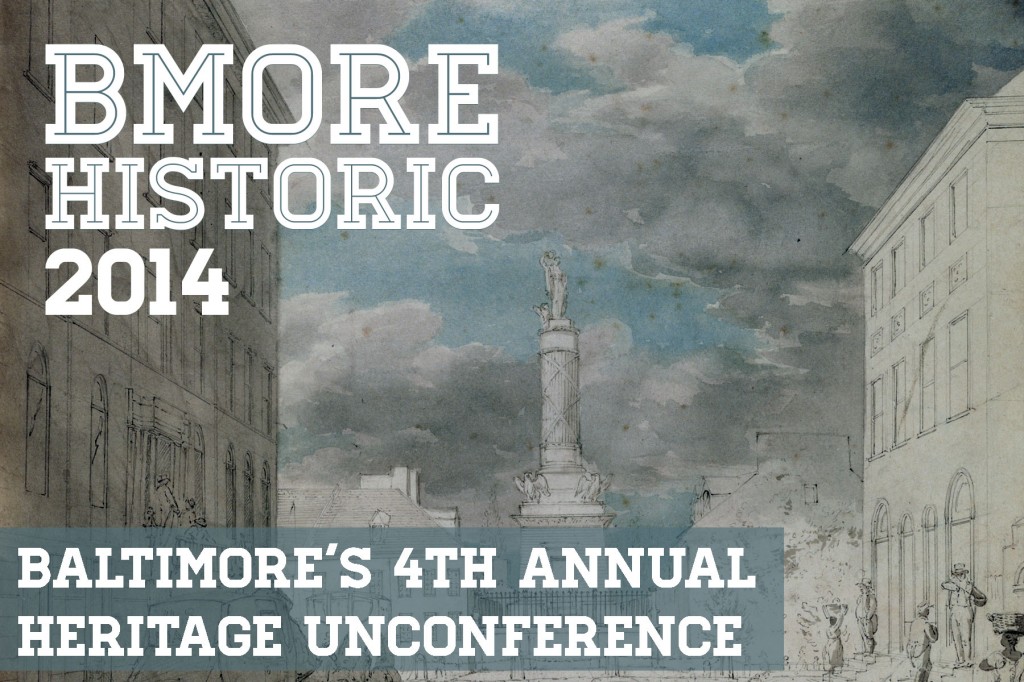
Thank you to everyone who came out and joined us for our Bmore Historic 2014 unconference earlier this month. Read Kate Drabinski’s column for a great take on the day or check out the unconference blog for more details.

Field Tripping: Getting Historic, Kate Drabinski, Baltimore City Paper, October 21, 2014.

“Thing is, though, my job also means that this year’s Bmore Historic Unconference is as much a field trip as a work obligation, and I got to spend the day sharing equal parts curiosity and righteous indignation with a wide swath of Baltimore-area history buffs, museum professionals, preservationists, students, and nerds as we asked those good questions of what counts as history, whose histories matter, and what the heck we should do with them…

Other sessions served as skill-building workshops in oral history, DIY genealogy, connecting youth to history and heritage issues, and how to use open-source web resources to curate online archives and collections. Eli Pousson from Baltimore Heritage shared its Explore Baltimore Heritage app that allows users to pull up historic photographs and narratives of sites all over the city from their smartphones. Drawing on her work in oral history as part of University of Baltimore’s Baltimore ’68 project, Elizabeth Nix led a packed workshop on how to do oral histories. Participants shared their ongoing Baltimore-based projects gathering the stories of such wide-ranging groups as veterans, LGBTQ people, youth, elders, laborers, suburbanites, and alt kids. These projects hope to bring out the many different and diverse ways that people have made Baltimore home.”

[We Dig Hampstead Hill] Join Dr. John Bedell for a presentation on the archeology of Patterson Park

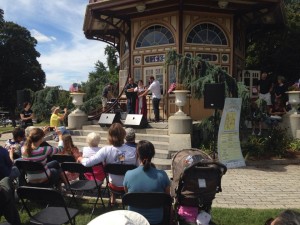
Bicentennial Celebration at the Patterson Park Pagoda
Photograph by Friends of Patterson Park, September 14, 2014.

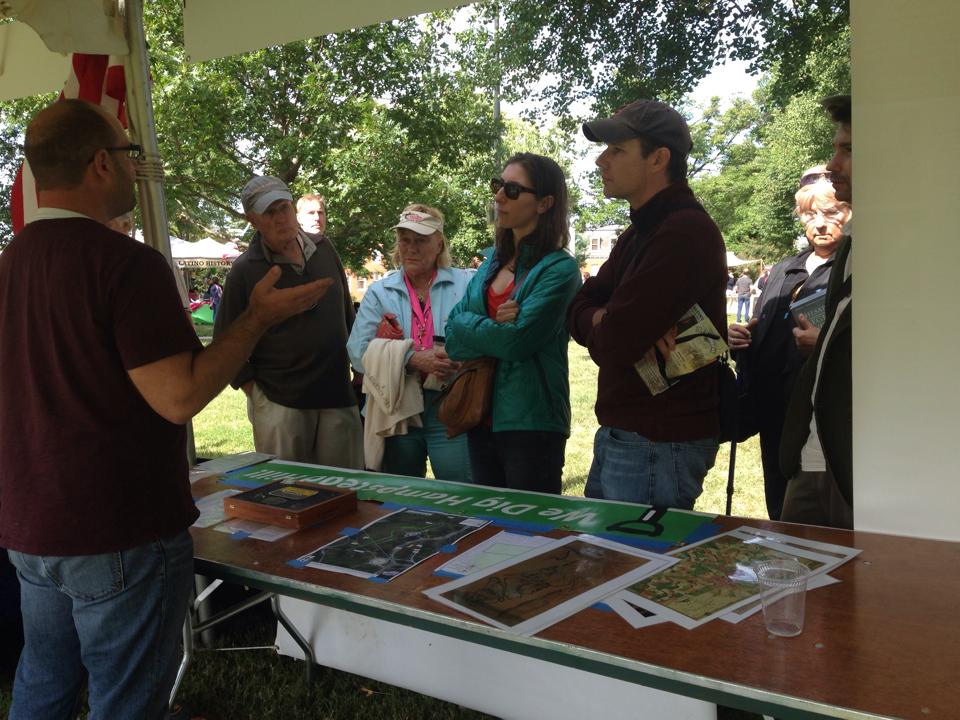
Last month, the We Dig Hampstead Hill project team joined in the celebration of the bicentennial of the Battle of Baltimore. Over 200 visitors stopped by our table in Patterson Park to take a close look at selected artifacts and ask questions from the archeologists. This Saturday, we are hosting archeologist Dr. John Bedell for a lecture and discussion at the Southeast Anchor Branch Library where local residents, volunteers, and others can learn more about the archeology of the site.

Dr. John Bedell, lead archaeologist on the project, will discuss the Battle of Baltimore and its importance for the city’s history, describe the findings of the archeological study, and discuss the role of archeology in public history, historic preservation, and community memory. We also want to listen your thoughts on what how we can continue to protect the archeological resources in the park and continue our successful heritage education programs with local schools next spring.

Please let us know if you are interested in hosting a talk on the War of 1812 in Patterson Park at an upcoming community meeting! Local historians, students and scholars interested in the War of 1812 may also want to join our Battle of Baltimore Wikipedia Workshop & Edit-a-thon earlier in the afternoon on October 25.

Photograph by Friends of Patterson Park, September 14, 2014.

Coppin Heights CDC buys the Hebrew Orphan Asylum for a planned $12.4 million rehabilitation

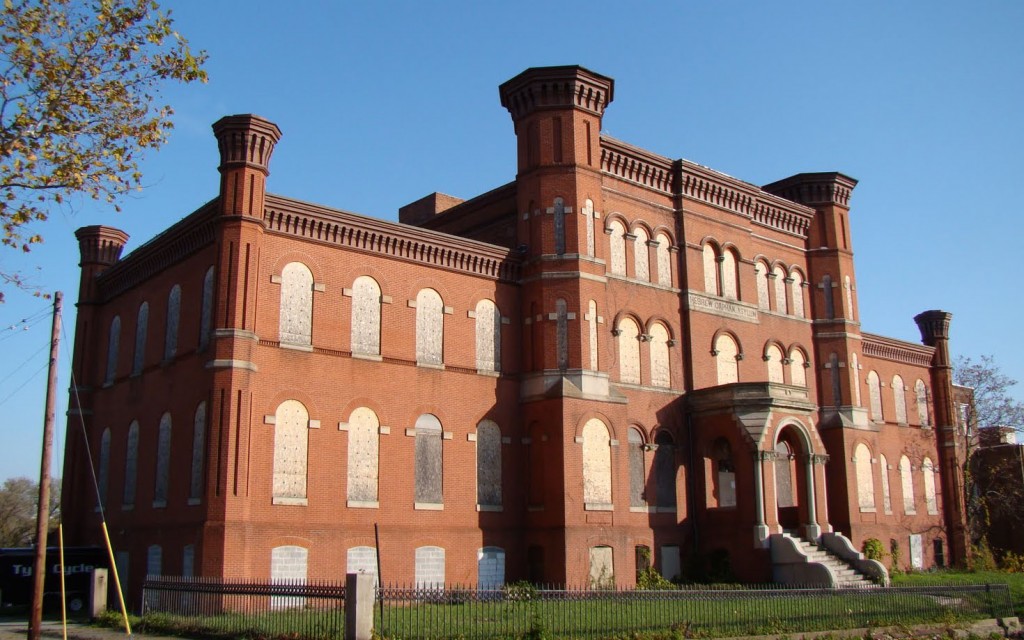
Over the last several weeks, the effort to restore Baltimore’s Hebrew Orphan Asylum took a big step forward when Coppin State University, which purchased the building in 2003, and the University of Maryland agreed to sell the property to the Coppin Heights Community Development Corporation.

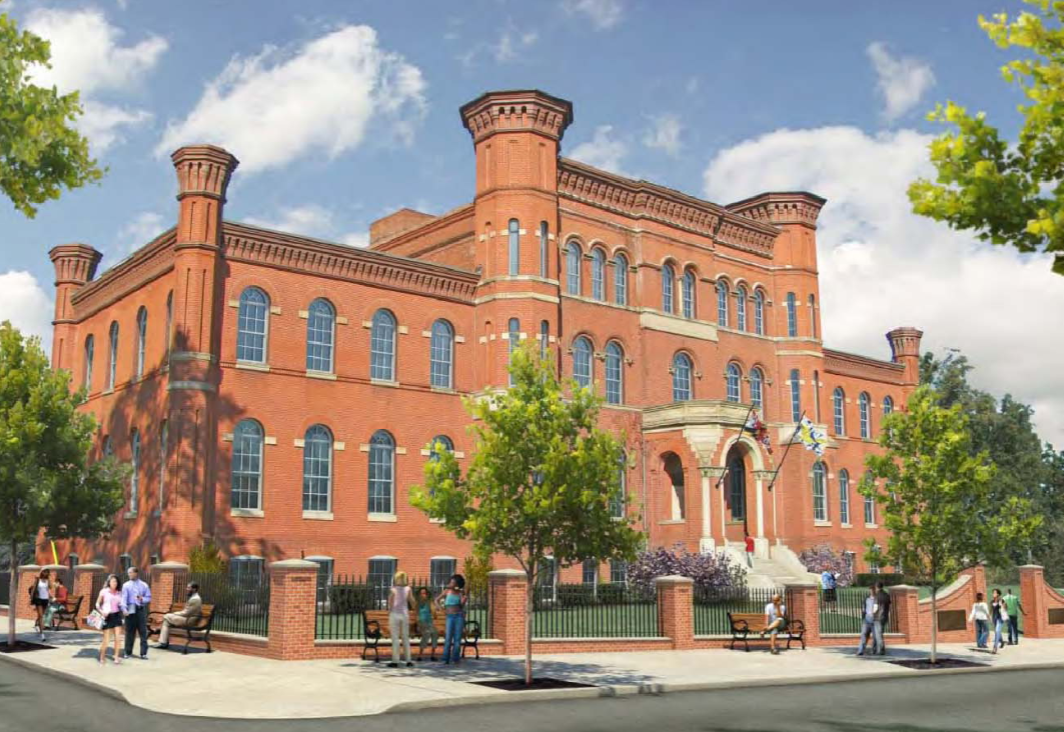
For nearly five years, the Coppin Heights CDC and Baltimore Heritage have led a tireless effort to rehabilitate and reuse the Hebrew Orphan Asylum. As the Baltimore Sun reported last month, the CDC is planning $12.4 million rehabilitation and to open the building in December 2015. The CDC’s architect, Kann Partners, recently completed detailed construction plans and is working with engineers and contractors to hammer out the details.

As soon as this transfer is complete, the Coppin Heights CDC is prepared to begin rehabilitation work transforming the building into the new Center for Healthcare and Healthy Living with Total Health Care Inc. as the building’s new tenant. Total Health Care currently operates eight clinics in West Baltimore and will use the entire building for a clinic, physician offices and a pharmacy. Community residents and anyone interested in the future of this West Baltimore landmark are encouraged to attend the “Prelude to Victory” meeting next week to discuss the next steps on the project. Although we are not opening the champagne bottles yet, the future for Baltimore’s Hebrew Orphan Asylum looks brighter than ever.

Rendering of proposed reuse of Hebrew Orphan Asylum, August 2011