Love, romance, jealousy… Mt. Vernon is the home not only of great architecture but also of great love stories. After a six-year hiatus, historian Jamie Hunt is back with a tour of historic romance in Mt. Vernon this Sunday. What better way to gear up for Valentine’s Day? We hope you can join us!
Tour Information
Sunday, February 10, 2013
1:00 pm to 2:30 pm or 3:00 pm to 4:30 pm (tours are the same, choose just one)
Meet at 14 West Mt. Vernon Place (Agora / Marburg Mansion), Baltimore, MD 21201 RSVP today! $10 per person for Baltimore Heritage members / $20 for non-members
For two centuries, Mt. Vernon has seen spectacular love stories, bitter feuds, and more than a few juicy trysts. The neighborhood’s earliest days inlclude the patriot and Mt. Vernon landowner John Eager Howard marrying a charming young Philadelphian, Harriet Chew, after her first love was hanged for treason in a plot that involved Benedict Arnold. Fast forward 200 years and Mt. Vernon saw a 20th century gradutate of its Baltimore School for the Arts, actress Jada Pinkett Smith, fall in love with and marry another noted Philadelphian, actor Will Smith.
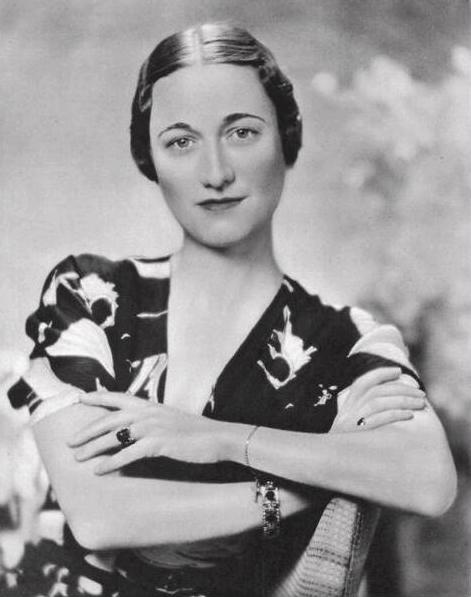
In between these two sets of lovers are the royal tales of Betsy Patterson Bonaparte, who died wealthy but bitter in Mt. Vernon years after an annulled marriage to Napoleon’s brother Jerome, and Bessie Wallis Warfield, who was christened in a neighborhood church (just across the street from where Betsy died) and grew up to become the Duchess of Windsor. Not to be outdone by royalty, some of Baltimore’s most storied authors have ties to Mt. Vernon along with their beautful, sad marriages, including Edgar Allan Poe, H.L. Mencken, and F. Scott Fitzgerald. And of course the rich and famous of Baltimore’s Gilded Age include more than a few with offbeat love lives. Please join us and historian Jamie Hunt as we uncover historic loves won and lost in Baltimore’s great Mt. Vernon neighborhood.
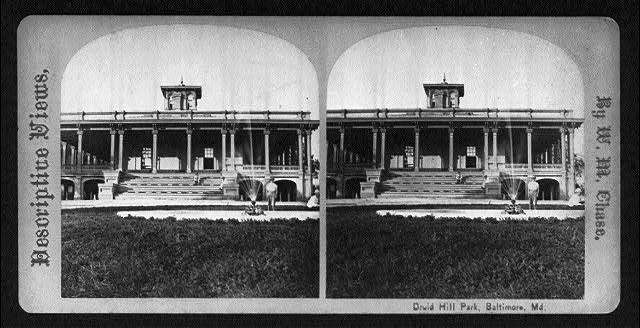
The Mansion House, built by Revolutionary War Colonel Nicholas Rogers, has stood in what is now Druid Hill Park since 1801. The house is the third to stand in this location. Originally a castle known as “Auchentorolie,” built by Rogers’ ancestors, occupied the hill but had burned sometime during the war. Rogers studied architecture in Scotland and most likely became familiar with Druids’ love of nature and hilltops and selected the name “Druid Hill” for his estate. The house was initially planned to be a summer home but during its construction the family home at Baltimore and Light Streets burned and it was decided to use the Druid Hill house year-round. The Mansion remained in the Rogers family until the mid-1800s, when Rogers’ grandson sold the house and lot to Baltimore City for $121,000 in cash and $363,000 in City of Baltimore stock. One stipulation of the sale was that the family burial plot remain property of the family, and the plot is still in place today in the park.
The Mansion House has seen many rebirths. In 1863, during the park movement in Baltimore City, the house was greatly modified. Under the direction of John H. B. Latrobe, it was turned into a pavilion and updated in the Victorian style. By 1935, the porches were enclosed and the house became a restaurant. In the 1940s, the building was used as a day school for the Young Men and Women’s Hebrew Association. The Zoo, which had begun developing around the mansion beginning in 1867, used the building as its bird house from the 1950s until its restoration in 1978. The restoration efforts took the house back to its 1860s design. Just last year, the Mansion underwent its most recent restoration and repair work, including much needed wood restoration and structural shoring. The building today house’s the Maryland Zoo in Baltimore’s administrative offices and event rental space. Please join us on a tour of the nooks and crannies of the Mansion by the restoration contractor, Tony Azola of The Azola Companies, and a short walk through the history of the Mansion and the Zoo by Ms. Lori Finkelstein, Vice President of Education, Interpretation, and Volunteer Programs (and unofficial historian) at the Zoo.
Behind the Scenes Tour at Rogers Mansion
Tuesday, January 8, 2013, 5:30 pm – 7:00 pm
1876 Mansion House Drive, Baltimore, MD 21217 RSVP Today! $15 members | $25 non-members (wine & cheese will be served) Follow signs to the administration building. Parking is available in front of the mansion and along the drive.
Thursday, November 29, 2012, 5:30 pm – 7:00 pm
522 W. Lombard Street, Baltimore, MD 21201 RSVP Today! $15 members | $25 non-members (wine & cheese will be served) Parking is available on the street and in nearby garages.
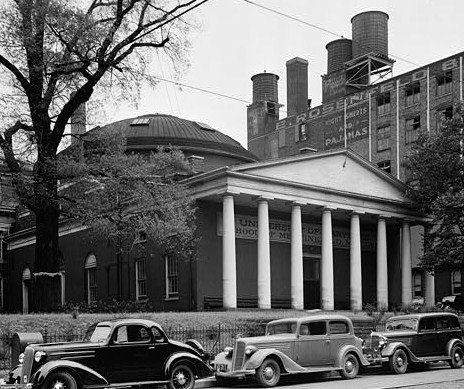
HABS MD,4-BALT,59-2, courtesy LOC/Wikipedia
Join us in celebrating Davidge Hall’s 200th birthday. Named after its founder and first dean, John Beale Davidge, Davidge Hall was constructed in 1812 as the founding medical school building of what is now the University of Maryland School of Medicine. With its surgical theater in the round classroom, called Anatomical Hall, and semi-circular Chemical Hall below it, it is hard to imagine a more wonderful architectural backdrop for students to watch the latest techniques in surgery and learn anatomy through the careful dissection of cadavers.
The building is recognized as the oldest medical facility in the country continuously used for medical education, and since 1812 all of the University’s medical graduates have passed through its doors at one time or another during their training. It is even said that from the porch one could watch the British bombardment of Fort McHenry in 1814. The building recently has been meticulously restored, and won a historic preservation award from Baltimore Heritage! Please join us and our tour guide, Mr. Larry Pitrof, Executive Director of the Medical Alumni Association of the University of Maryland Medical School, on a tour of this grand historic gem.
Victorian Charm in Reservoir Hill
Tuesday, December 4, 2012, 6:00 pm – 7:15 pm
2450 Eutaw Place, Baltimore, MD 21217 RSVP Today! $15 members | $25 non-members (wine & cheese will be served) Parking is available on the street.
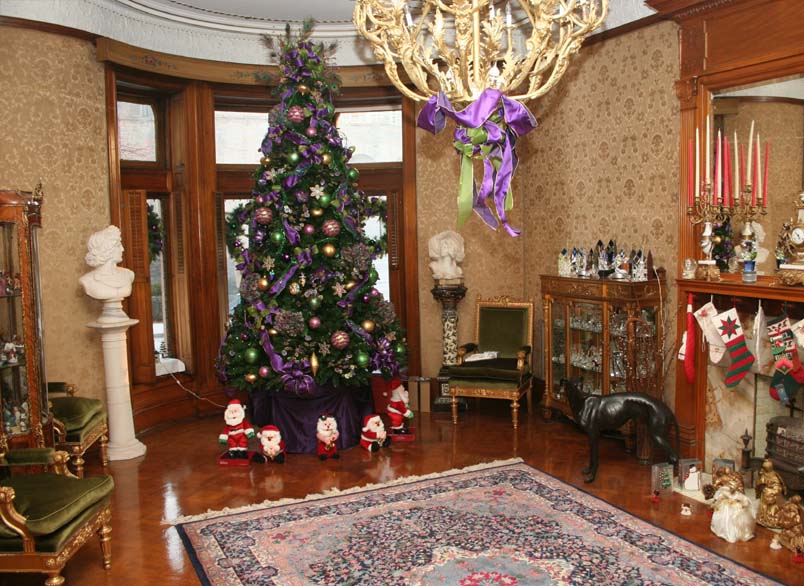
Image courtesy Hugh Pickens
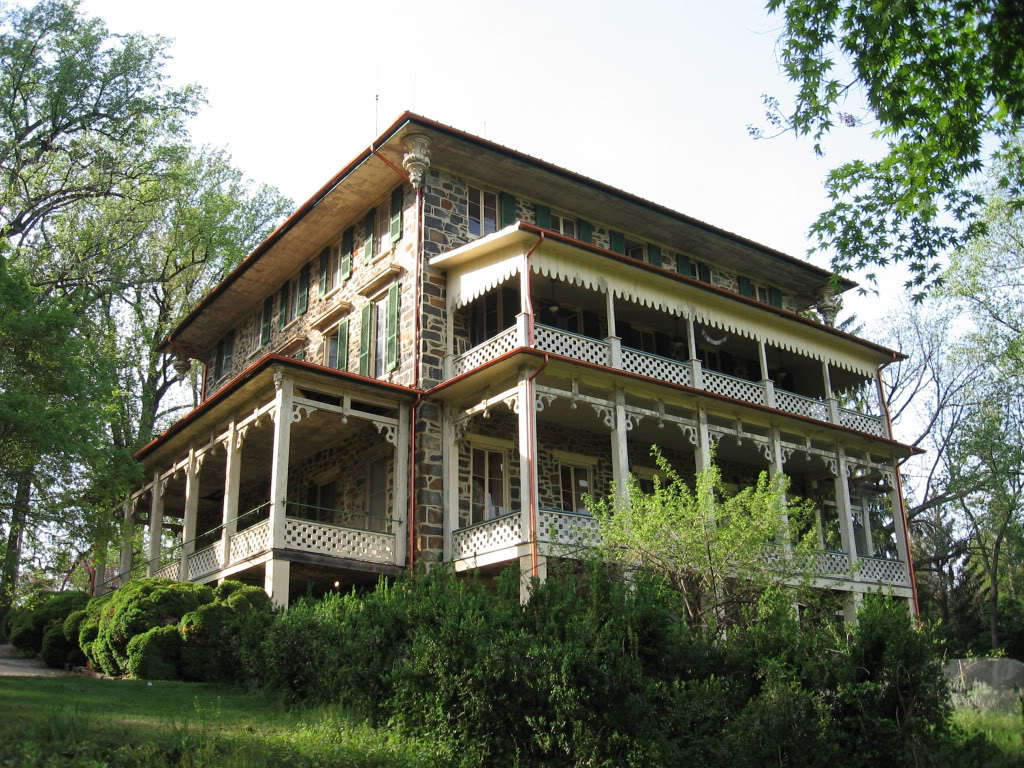
While Baltimore is known for its row houses, the Reservoir Hill neighborhood took these iconic structures to a higher, grander level of Victorian architecture at the turn of the 20th century. Chief among the grand dames is 2450 Eutaw Place, a 12,000 square foot mansion that was first the home of John Knox Shaw (1845-1905), a founding member of Shaw Brothers coal merchants. Mr. Shaw built the house in 1895 as a stand-alone home and one of the first houses on Reservoir Hill. With incredible woodwork of Hunduras mahogany, a marble vestibule and marble mantles throughout, and fleur de lis tiles, the house was obviously a testiment to Mr. Shaw’s wealth and taste. But if a coal merchant constructed the fine house, a beer baron took it further.
The second owner of the home was Frederick Bauernschmidt (1863-1933), founder of the American Brewery. Mr. Bauernschmidt added a porte–cochèreand driveway to the outisde, and a new level on the first floor for a music room where an orchestra would sit to provide live music for parties. Please join us on a tour of this wonderful house as its current owner, Ms. Larcia Premo, shares her story of living and raising kids in turn-of-the-century grandeur and neighborhood historian Mr. Kelly Terrill shares some of the history of this great neighorhood.
Tree Trimming Party and Tour at Orianda House
Wednesday, December 12, 2012, 5:30 pm – 7:00 pm
1901 Eagle Drive, Baltimore, MD 21207 RSVP Today! $10 members with a canned good donation | $15 non-members
(Holiday cheer will be served) There is limited parking near the house. Parking is also available in the lot nearest the entrance from Forest Park Avenue.
Image courtesy laura1119_photos/photobucket
Please plan to join us for an old fashion tree-trimming party and tour of historic Orianda House in Leakin Park. Every year Orianda House invites local non-profit associations to decorate a tree representing their organization. Baltimore Heritage has participated in this event for the last few years. This year, we want to share the fun, and include a tour of this great historic building. We will provide decorations and invite you to bring an ornament that represents Baltimore if you feel so inspired. Also, in the spirit of giving, we ask that you bring a canned good to be donated to a local food bank. And, of course, we will be touring the house. Orianda House was built around 1856 by Thomas Winans as a summer home. Winans built the first railroads in Russia and was the son of Ross Winans of B&O Railroad fame. The house reflects Mr. Winans’ desire for a grand country estate. We hope you can join us for this festive event.
Who’s Who in Baltimore: Greenmount Cemetery and Famous Marylanders Lunch, Talk and Tour
Saturday, October 27, 2012, 12:00 pm to 2:30 pm RSVP today! $40 per person (includes lunch)
Tour begins with lunch and a talk at the Baltimore Montessori Public Charter School, 1600 Guilford Avenue
Greenmount Cemetery, image courtesy Jack Breihan
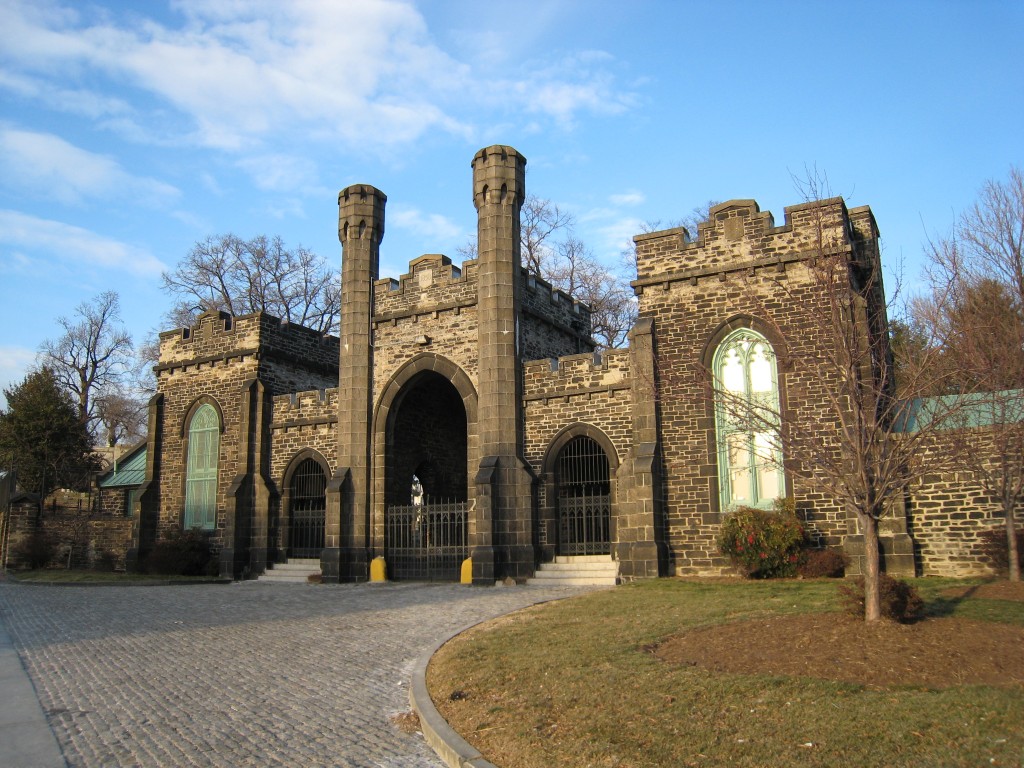
From elites like William and Henry Walters, Johns Hopkins, and Enoch Pratt, to extraordinary slaves like Patty Atavis, and even the infamous assassin John Wilkes Booth, the dead at Greenmount Cemetery tell a rich and fascinating story of the growth of Baltimore. For this tour, we’re pleased to be partnering with the Maryland Historical Society and Greenmount Cemetery tour guide Wayne Schaumburg.
The program will begin with lunch and a discussion of some of the Marylanders buried at Greenmount led by curators at the Maryland Historical Society using items in the Society’s collections. After lunch, we’ll drive over to the cemetery to join Baltimore historian and Greenmount guide Wayne Schaumburg for a tour of the cemetery, its ornate grave stones, and its notable inhabitants. Space is limited!
Behind the Scenes at New Cathedral Cemetery
Saturday, November 10, 2012, 10:00 am to 12:00 pm RSVP today! $10 per person
Meet at the Cemetery’s main entrance – 4300 Old Frederick Road, 21229
New Cathedral Cemetery, courtesy jomiwi/Flickr.
Covering 125 acres in West Baltimore and with its origins dating to St. Peter’s Kirkyard at Saratoga and Cathedral Streets in the 1770s, New Cathedral Cemetery is a historic gem that is surprisingly hidden. Among other things, it is the resting place of more Hall of Fame baseball players than any other cemetery in the country, including Orioles greats from the 1890s Ned Hanlon, Joe Kelley, and John McGraw. It is also the resting place of Baltimore mayors Solomon Hillen, Thomas D’Alesandro, Jr., and Clarence (du) Burns, entrepreneur and philanthropist Reginald F. Lewis, and Mother Mary Lange, founder of the Oblate Sisters of Providence, the first ever congregation of women religious of African descent. Charles Carroll of Carrollton was originally buried here until he was reinterred at Doughoregan, the family estate in Howard County, but the cemetery still claims at least two other Carroll family members: Charles Carroll of Homewood and Governor John Lee Carroll.
With three centuries of wonderful headstones and statuary, the cemetery is also rich with sculpture and art, and of course stories about Baltimore. Please join us and cemetery historian Susan Schmidt on this trip through Baltimore history as told through New Cathedral Cemetery.
Wednesday September 19, 6:00 pm to 7:00 pm 3930 Perry Hall Rd, Perry Hall, MD 21128 RSVP today! $15 per person.
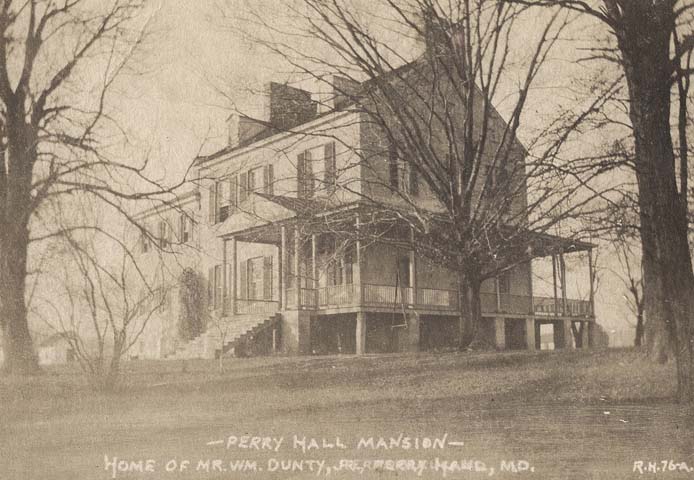
Erected high on a hill above the Gunpowder River Valley, Perry Hall Mansion dominated life in northeastern Baltimore County in the late eighteenth and early nineteenth centuries. Built in the 1770s by Harry Dorsey Gaugh, Perry Hall was named after the family castle near Birmingham England. The 16-room home, the seat of a vast plantation, soon became one of the leading houses in colonial Maryland. The mansion, considered a “sister” house to Hampton Mansion not very far away, turned from a house of raucous parties to a place of more reserved pleasure as Gaugh and his wife, Prudence, became ardent supporters of the early Methodist movement that had strong roots in Maryland.
Gaugh became a distinguished planter, a member of Maryland’s House of Delegates, and on the board of one of Maryland’s first orphanages. After Gaugh’s death in 1808, the mansion remained in the family for nearly 50 years. It was sold to a group of investors in 1852 that carved the plantation into lots for houses, many of which went to German immigrants. By 2001, the estate had dwindled to four acres and the house was sold to Baltimore County for use as a museum and community center. The County completed a first stage of restoration in 2004, and exterior restoration won an award from the Preservation Alliance of Baltimore County as an “outstanding public project.” The Friends are continuing with the restoration of this stately home.