Category: Education

Our education programs include technical assistance to property owners, heritage education around the Civil War Sequicentennial and the Bi-Centennial of the War of 1812, and our ongoing Race and Place in Baltimore Neighborhoods project.

[Baltimore 1814: January 16-22] “this morning presents a most violent Snow Storm” and more familiar stories

1814 is much like the present in many ways. Women became mothers, men became grandparents, and others passed away leaving family behind. Here are two births and one death we’re remembering this week:

Missed last week’s update? Don’t forget to check out our story on Robert Mills and his “book of designs” for Baltimore’s Washington Monument.

Advertisement: The Building Committee of St. Paul’s Church are ready to contract
American and Commercial Daily Advertiser, January 17, 1814

[Baltimore 1814: January 8-15] “Cloudy morning,” a “book of designs” for the Washington Monument, and Baltimore at Sea

Courtesy Drew Peslar, Smithsonian.

This week’s Baltimore 1814 stories include much more than just news about the “cloudy morning” of January 15, 1814:

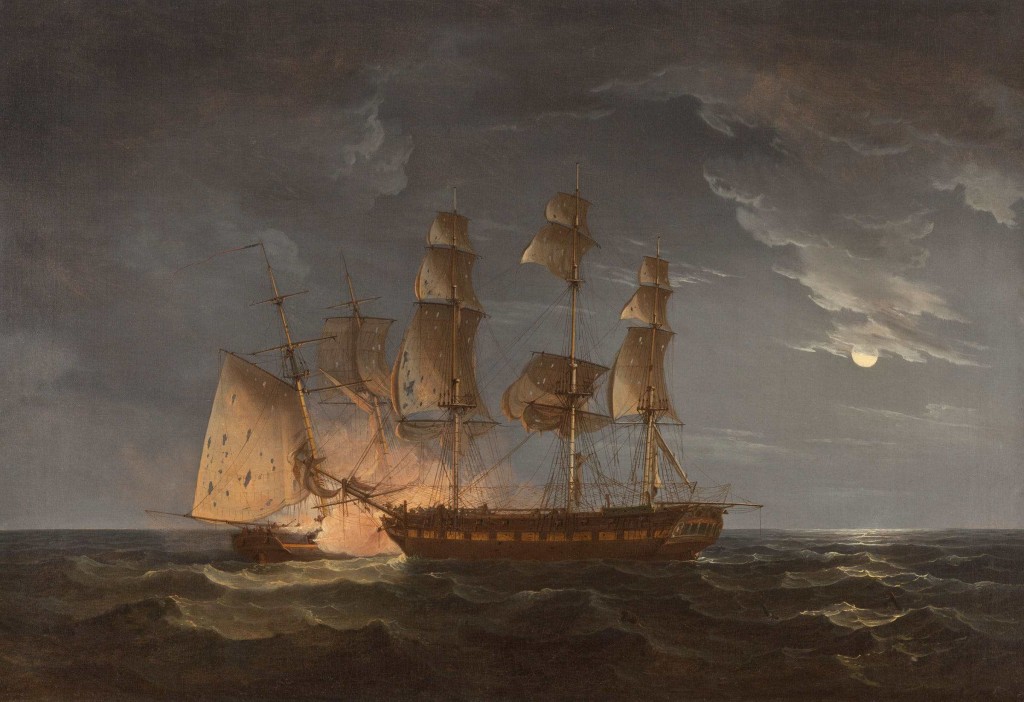
Read on for a few items from one of our newest themes: Baltimore At Sea – featuring the stories of seamen, shipbuilders, privateers and the United States Navy. Thanks to volunteer Dennis Lilly for his help in launching this new series!

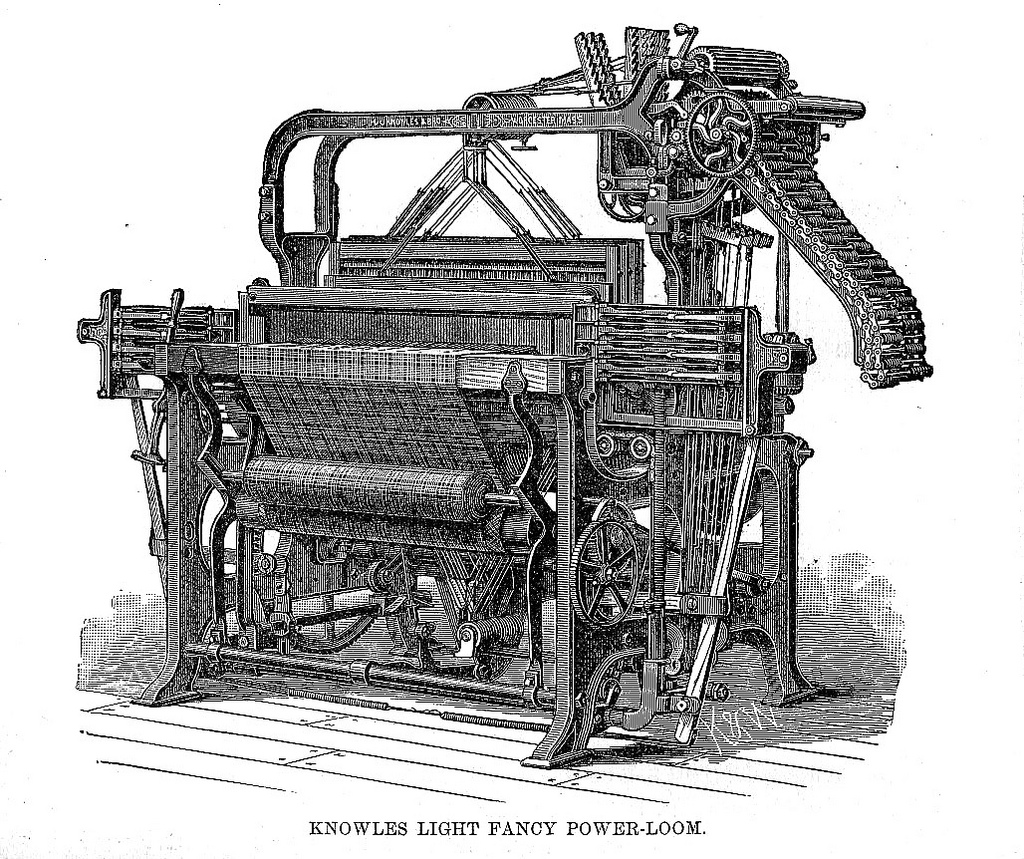
Missed last week? Check out last week’s update or go read the story of Jean Pierre Morel de Guiramand, a refugee from the Haitian Revolution, received a patent a new “power loom” on January 7, 1814.

[Baltimore 1814] “Frozen for a week” & more stories from January 1 to January 8, 1814

Brrr! Weathering the “polar vortex” this week certainly encouraged our interest in Captain Henry Thompson’s daily journal entries on Baltimore’s weather. On January 7, 1814, Thompson recorded:

“7th –  Fine day, and having Frozen for a week past, commenc’d filling my Ice House, haul’d 21 loads today with two Carts from Herring Run  Went to Town return’d to Dinner”

Over the past week of 1814, Baltimore has been hauling ice and more:

If you missed last week’s update, go back and check out  the New Year’s Day reflections of Baltimore newspapermen William Pechin and Hezekiah Niles. Find more background on the history of the city in the early 1800s and our Baltimore 1814 project.

Knowles Light Fancy Power-Loom, ca. 1787 Knowles Light Fancy Power-Loom, ca. 1787

Friday! Bmore Historic Happy Hour at St. Mary’s Historic Site in Seton Hill

We’ve been busy this fall getting ready for Bmore Historic – our third annual “unconference” for historic preservation, public history and cultural heritage. If you work at a local archive, volunteer regularly for a historic site or house museum, or work in historic preservation, Bmore Historic is always a great opportunity to network with colleagues from all over the Baltimore region – and we still have a few spots left! Whether you’re coming to Bmore Historic or not, you are all welcome to join us this Friday evening at the St. Mary’s Historic Site for a tour and happy hour following the unconference.

Bmore Historic 2013 Happy Hour at St. Mary’s Historic Site

Friday, October 11, 2013, 4:30pm to 6:30pm
St. Mary’s Spiritual Center & Historic Site
600 North Paca Street, Baltimore, MD 21201​

No registration required! Beer and wine available – suggested $5 donation. Limited off-street parking is available in the St. Mary’s Spiritual Center lot and additional on-street parking is available in the area. 

Courtesy Jack Breihan

Special thanks to Fr. John C. Kemper, S.S. and Heidi Glatfelter for hosting the Bmore Historic Happy Hour. Fr. Kemper will also be leading tours of the St. Mary’s Seminary Chapel: a Seton Hill landmark built from 1806 through 1808 by French architect Maximilian Godefroy for the French Sulpician priests of St. Mary’s Seminary. St. Mary’s Seminary Chapel won a 2013 Preservation Award from Baltimore Heritage this summer for a tremendous restoration by the Associated Sulpicians of the United States, together with Kann Partners, Lewis Contractors, Thomas Moore Studios, and Giorgini Construction. Their nine-month, $1 million project restored to Chapel to its centennial year appearance and surely guarantees its preservation for decades to come.