
Is Baltimore selling its past? Governments increasingly look to sell or lease historic sites, The Baltimore Sun, March 24, 2012
Behind the Scenes Tour: Maryland Women’s Heritage Center
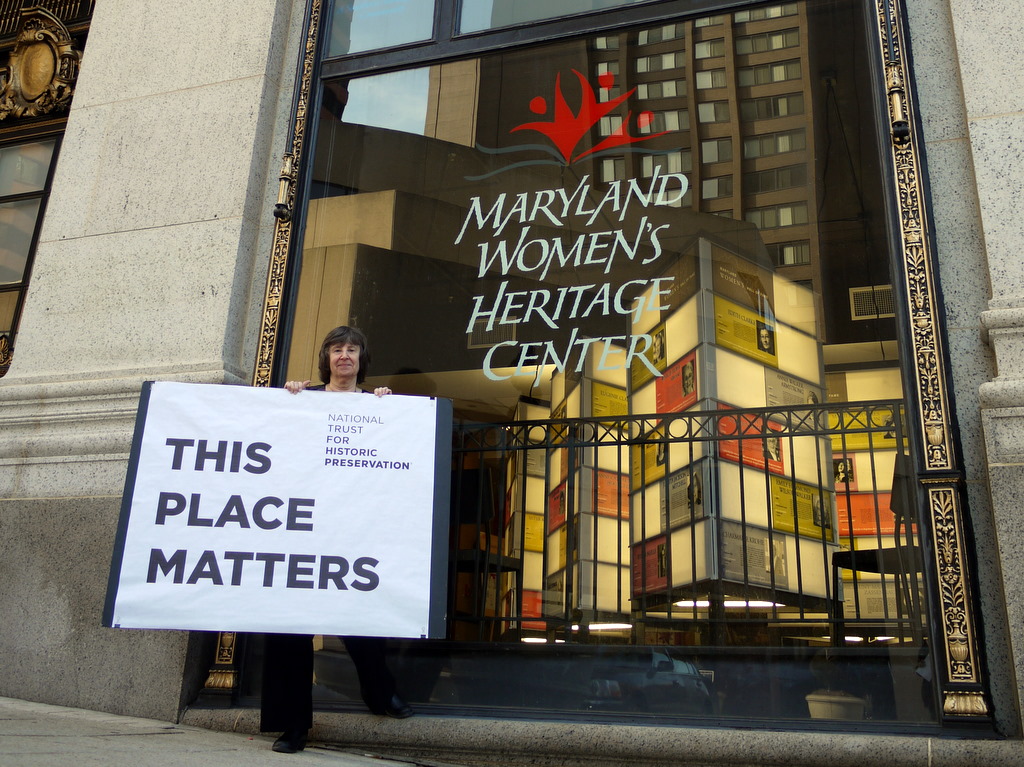
Did you know that March is Women’s History Month? What better way to celebrate than by visiting the Maryland Women’s Heritage Center located in the historic 1916 Baltimore Gas and Electric Company building on Lexington Street? We hope you can join us.
Tour Details
Maryland Women’s Heritage Center | 39 W. Lexington Street (corner of Lexington & Liberty Sts.), Baltimore, MD 21201
Saturday, March 31st | 2:00 PM – 3:00 PM
$10 members | $20 non-members
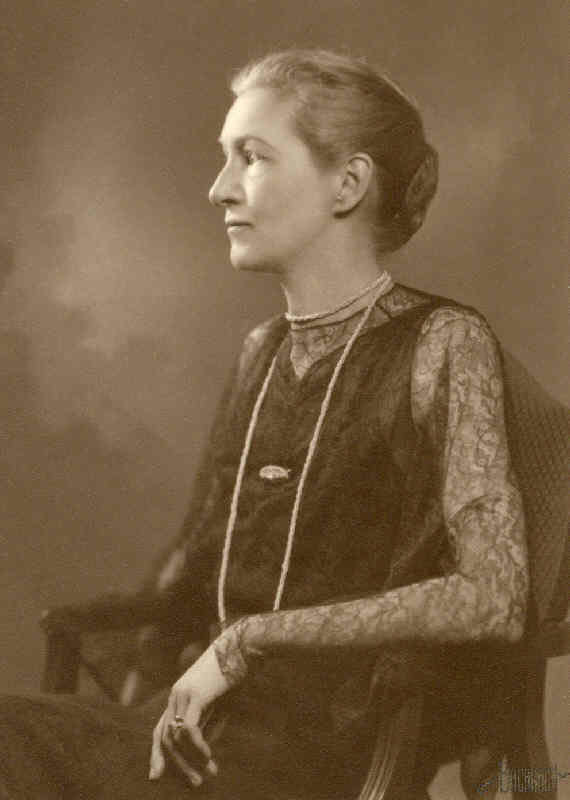
The Maryland Women’s History Center is the first comprehensive state-based women’s history center and museum of its kind in the nation. For our tour, a docent from the Center will guide us through exhibits on Maryland women “firsts,” unsung heroines, and the suffrage movement in Maryland. The Center’s location at the BG&E building is more than fitting. In the early 1900s, a suffrage pioneer named Edith Houghton Hooker staged a major rally for giving women the vote outside the building at Lexington and Liberty Streets. Ms. Hooker had come from Buffalo to Baltimore as one of the first women accepted into the Johns Hopkins School of Medicine. In 1909, she established the Just Government League of Maryland, a local affiliate of the National American Woman Suffrage Association, and edited and published Maryland Suffrage News from 1912 through the ratification of the 19th Amendment in 1920. In addition to the history of the suffrage movement, we will be among the first to see the Center’s newest exhibit on Maryland women in science and technology.
News: City Hall considers selling 15 historic landmarks
Free historic tax credit education workshops extended through April
With the great response to our workshops over the last few months we’ve decided to add two more dates in March and April! Join us for our February workshop tonight or mark your calendar for an upcoming program. Learn more about historic tax credits with our guide to city, state and federal programs or learn more about historic districts.
- Tuesday, February 21
- Thursday, March 22
- Tuesday, April 17
All workshops will be held from 7:00 pm to 8:00 pm at the AIA Baltimore basement gallery, 11 1/2 West Chase Street. RSVP today!
Our historic tax credit workshops offer a brief introduction to Maryland Historic Rehabilitation Tax Credit program — a 20% refundable income tax credit program for home-owners working on rehabilitation projects in designated historic districts — together with information on the Baltimore City historic tax credit for homeowners and businesses.
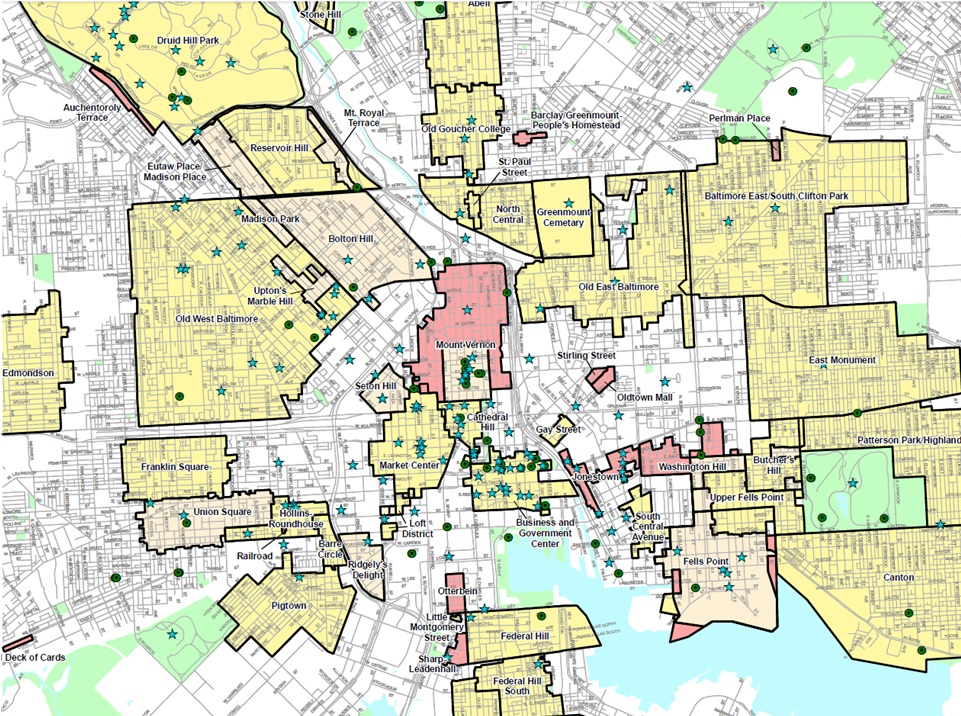
With over seventy historic districts across the city, thousands of Baltimore home-owners are eligible for tax credits on projects as diverse as repairing damaged masonry, restoring wood windows, replacing an aging furnace, repainting and more. Not sure if you are in a historic district? Check online using the Baltimore CityView Map (select “Landmarks & Historic Districts” from the drop-down menu of “Thematic Overlays”) or download a PDF map of Baltimore City historic districts.
Questions? Contact Eli Pousson, Field Officer at pousson@baltimoreheritage.org or 301-204-3337.
Make a nomination for the 2012 Baltimore Heritage Preservation Awards
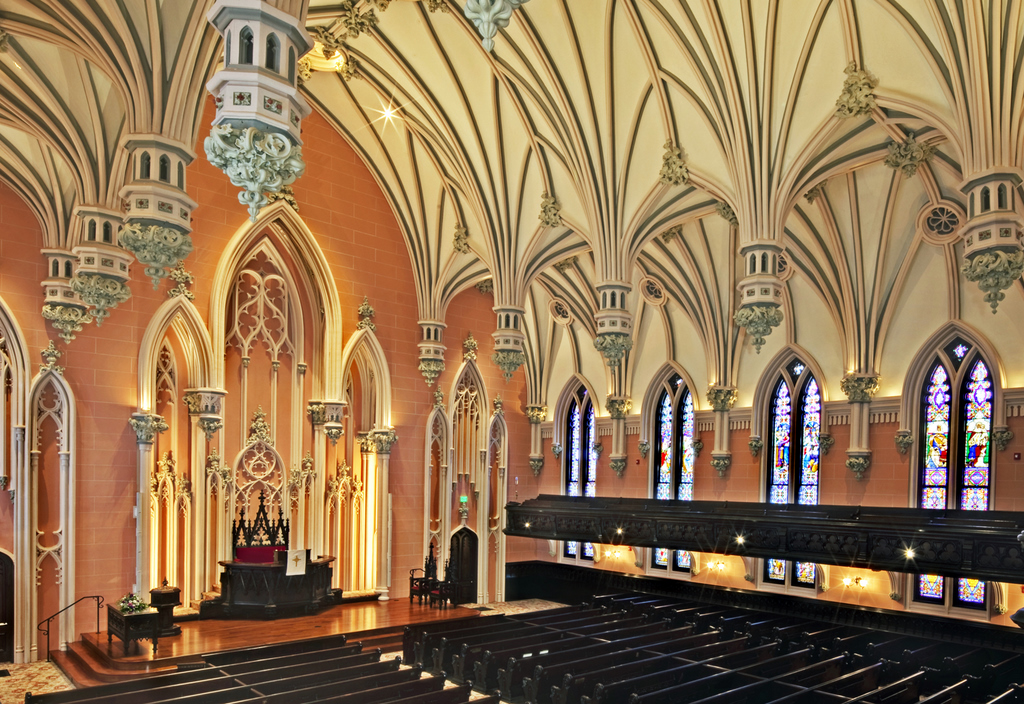
For over 50 years, Baltimore Heritage has granted awards from small rowhouse rehabs to major redevelopment and adaptive reuse projects. We’d love to hear from you this year with nominations for any people or organizations you think have worked especially hard to preserve our heritage or revitalize our historic neighborhoods. To give you a few ideas about the great projects that have won in the past, look out for more posts highlighting 2011 award winners over the next few weeks.
Take a look at our award categories and nomination guidelines or go ahead and make a nomination today. It only takes a few minutes to submit a nomination with a brief description of the project and contact information for project participants. Photographs (the more the better!) can be submitted by e-mail to awards@baltimoreheritage.org or by mail on a CD sent to 11 1/2 West Chase Street. The deadline for submissions is April 4, 2012. Contact Johns Hopkins, Executive Director at hopkins@baltimoreheritage.org or 410-332-9992 for more information.