Baltimore Building of the Week: Peabody Institute

If you enjoyed the tour of the Peabody Library during our 50th Anniversary Celebration back on June 11, you will likely enjoy this week’s entry in our Baltimore Building of the Week series on the Peabody Institute,
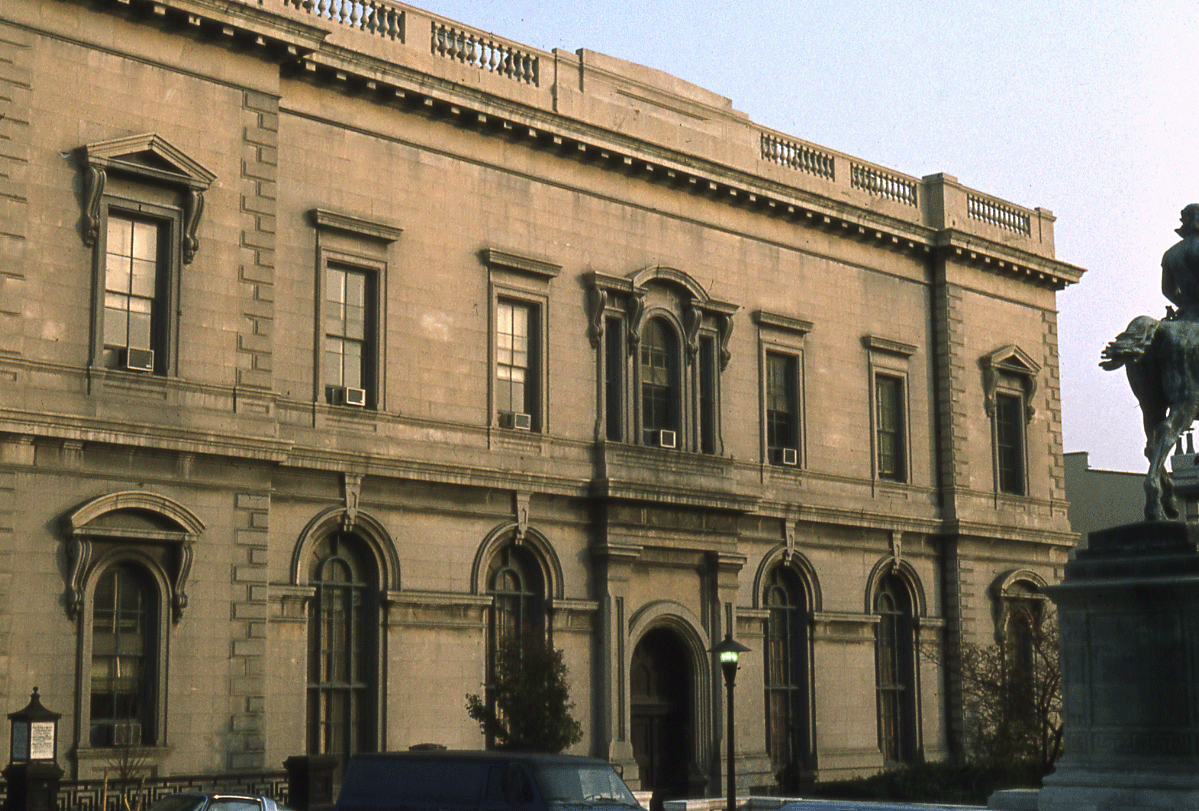
Image courtesy Jack Breihan

Although a long row of Italianate rowhouses (think Union Square) could look like one of the urban palaces of the Italian Renaissance, Baltimore boasts a few genuine Italianate palaces. In 1857 the international philanthropist George Peabody endowed Baltimore with an institute devoted to music and the arts. The architect Edmund G. Lind designed its initial building in 1859 and a large addition containing a fireproof library built 1875-78. Although the magnificent cast-iron Peabody Library draws the most attention, Lind has done an excellent job uniting the exterior facades of the two buildings beneath a heavy Italianate cornice and balustrade.
Baltimore Building of the Week: Italianate Conversions

Finishing up our series on Italianate rowhouses is this week’s post focuses on Italianate conversions in older neighborhoods such as Federal Hill and Fells Point,

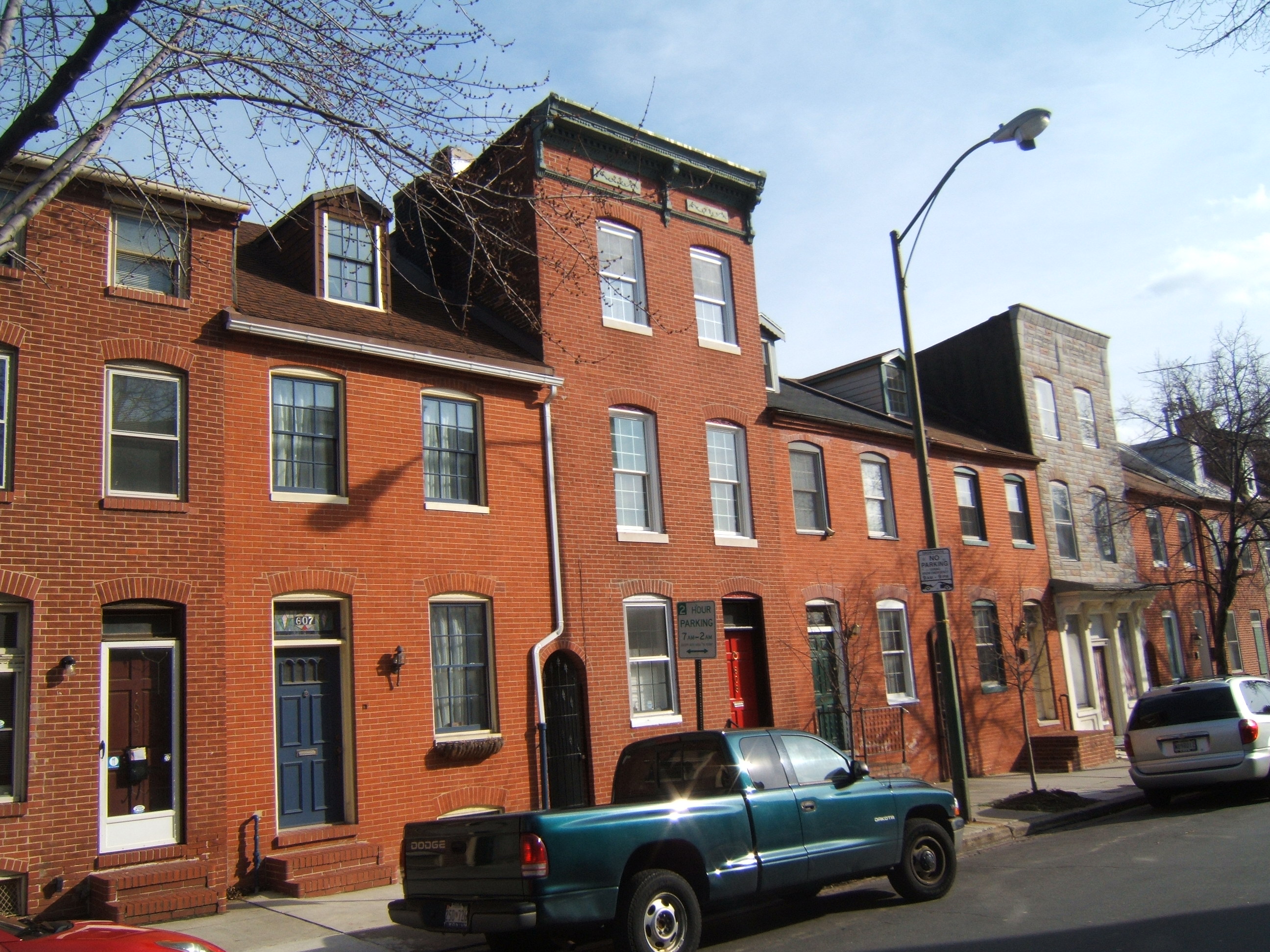
Image courtesy Jack Breihan

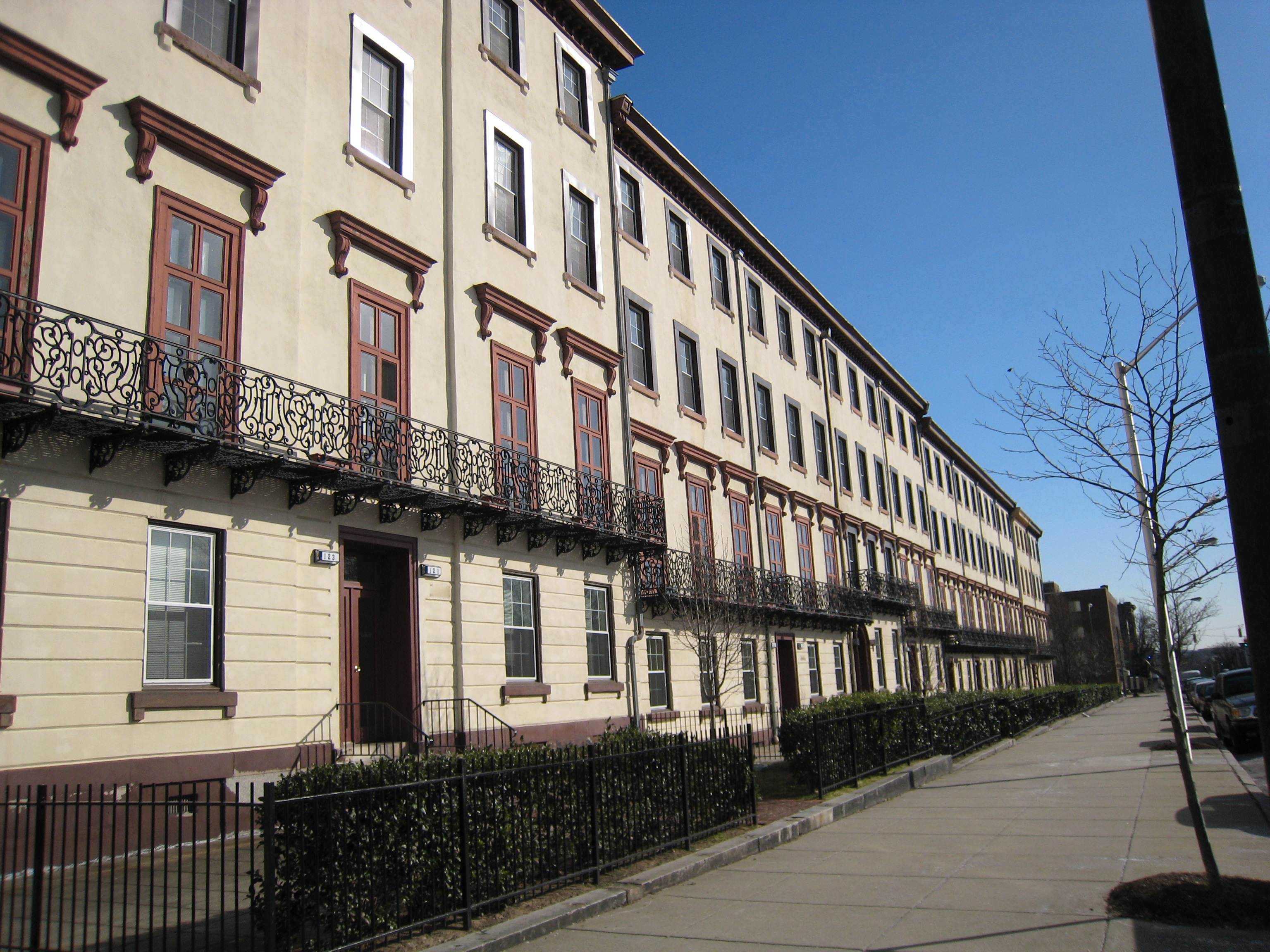
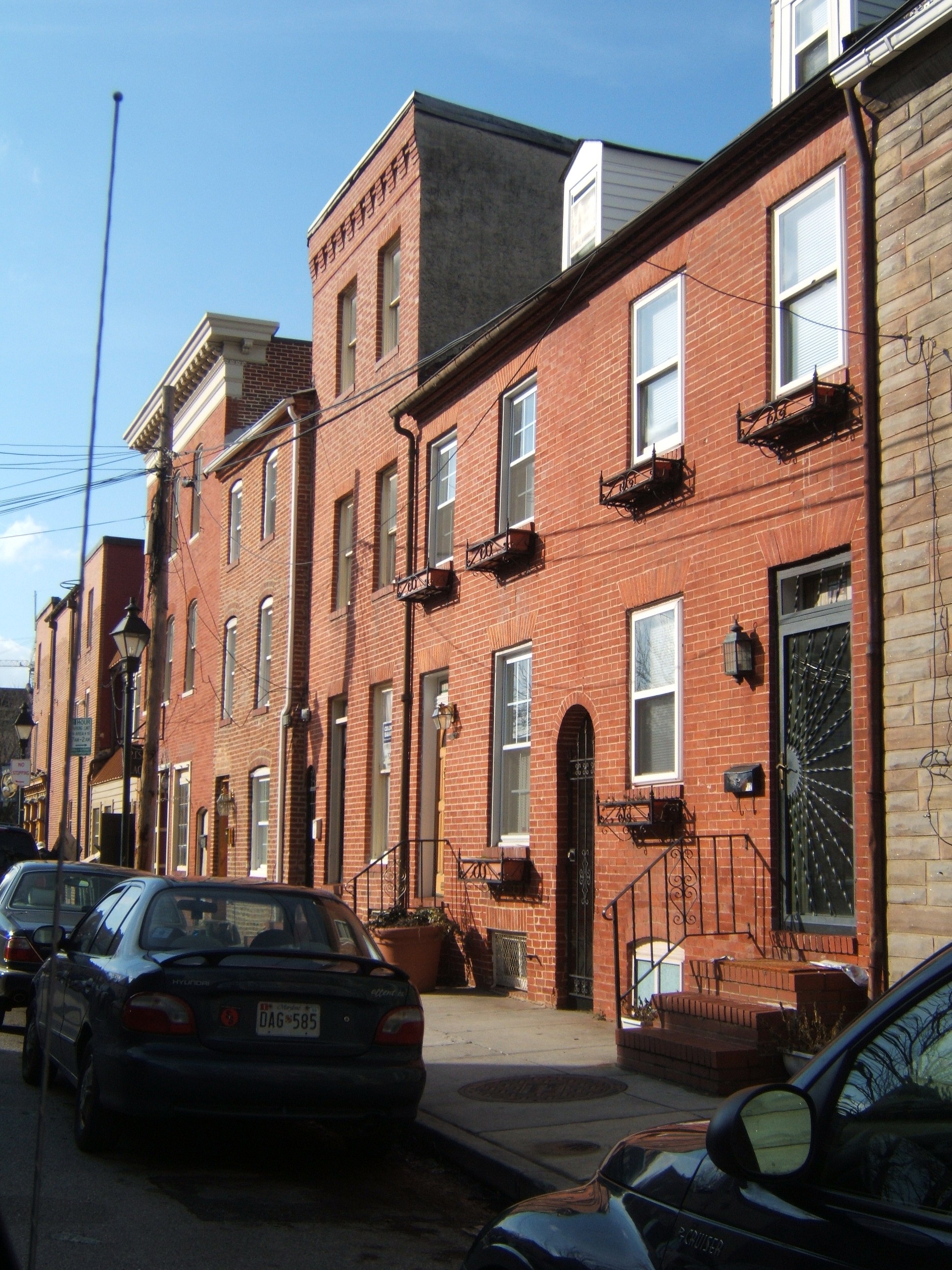
The Italianate style, with its consistent cornice line, made for uniform and stately rows of identical houses. In older federal and Greek Revival style rowhouse neighborhoods, however, it had the opposite effect. The imposing cornices reminiscent of the palaces of the Renaissance – and the full-height top storey beneath them – proved so popular that Baltimoreans either tore down their old dormered or Greek Revival rowhouses or converted them to the Italianate style. The result is a romantic jumble of differing rooflines that lends a peculiar charm to older neighborhoods like Fells Point and Federal Hill.

Image courtesy Jack Breihan

Behind the Scenes Tour of the Irish Shrine at Lemmon Street

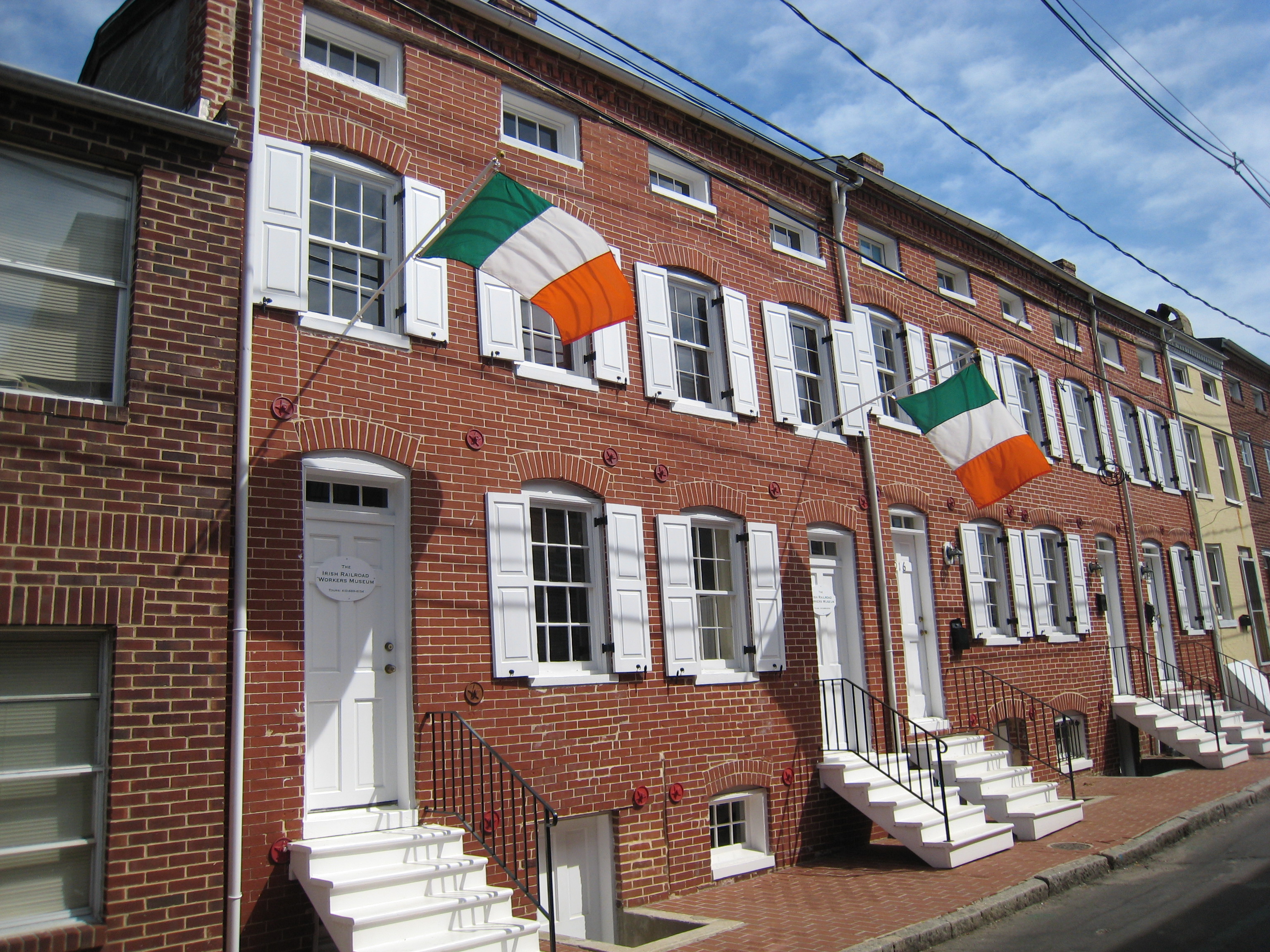
Diminutive but nationally significant, Baltimore’s Irish Shrine at Lemmon Street offers a rare glimpse of immigrant home life in America in the middle of the 19th century. Please join us for a tour of the Shrine, two restored 1848 alley houses in the Hollins Market neighborhood, with our hosts from the Shrine and its affiliate, the Railroad Historic District Corporation.

Image courtesy Jack Breihan

Tour Information

Dates: Wednesday, June 23, 2010 / Thursday, June 24, 2010
Time: 5:30 to 6:00 PM wine and cheese reception
6:00 to 7:00 PM tour
Place: 900 Lemmon Street – one block north of the B&O Railroad Museum
Parking is available along nearby streets
Cost: $15 (includes wine and cheese reception)
Registration: Click Here to Register
Read more

Baltimore Building of the Week: Italianate Rowhouses

Our Baltimore Building of the Week series from Dr. John Breihan returns with Italianate Rowhouses, the second entry in our three part series on Italianate Rowhouses,

Franklin Square, image courtesy Jack Breihan

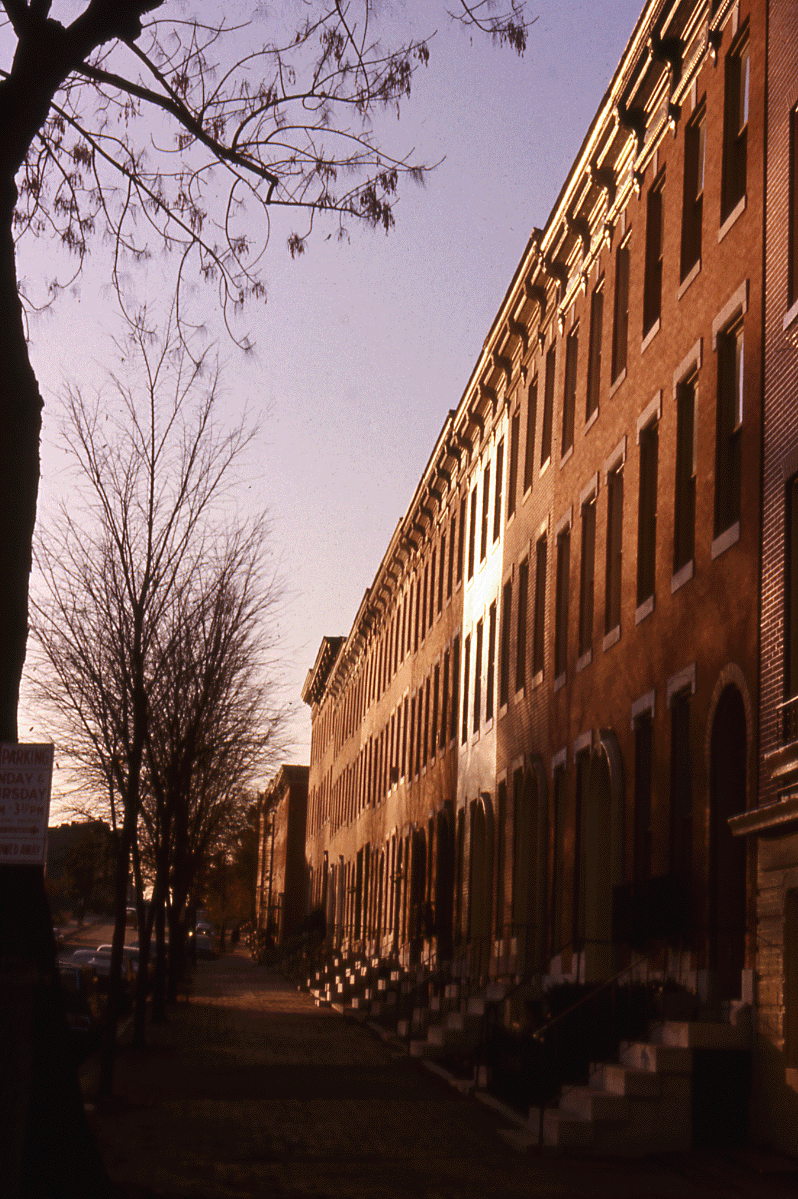
Italianate rowhouses, popular in Baltimore from the 1850s until the 1880s and beyond, were particularly suited to long, uniform rows beneath uniform carved cornices. They formed stately “street walls” around Baltimore’s squares and along principal thoroughfares like Broadway. Pictured here are Waverly Terrace, circa 1850, on Franklin Square, and the north side of Union Square, circa 1880. The latter contains the home of the Sage of Baltimore, Henry Mencken, now owned by the City of Baltimore.

Union Square, image courtesy Jack Breihan

Baltimore Building of the Week: Italianate Rowhouse

This week’s edition of the Baltimore Building of the Week series from Dr. John Breihan comes a few days late as we finalize preparations for our 50th Anniversary Celebration this Friday. Please join us for the open house tours on Mount Vernon Place at 4:30 PM or for an evening of Preservation Awards, dinner, and dancing starting at 6:30 PM. This single Italianate rowhouse is the first in a three week long focus on Italianate rowhouses in Baltimore,

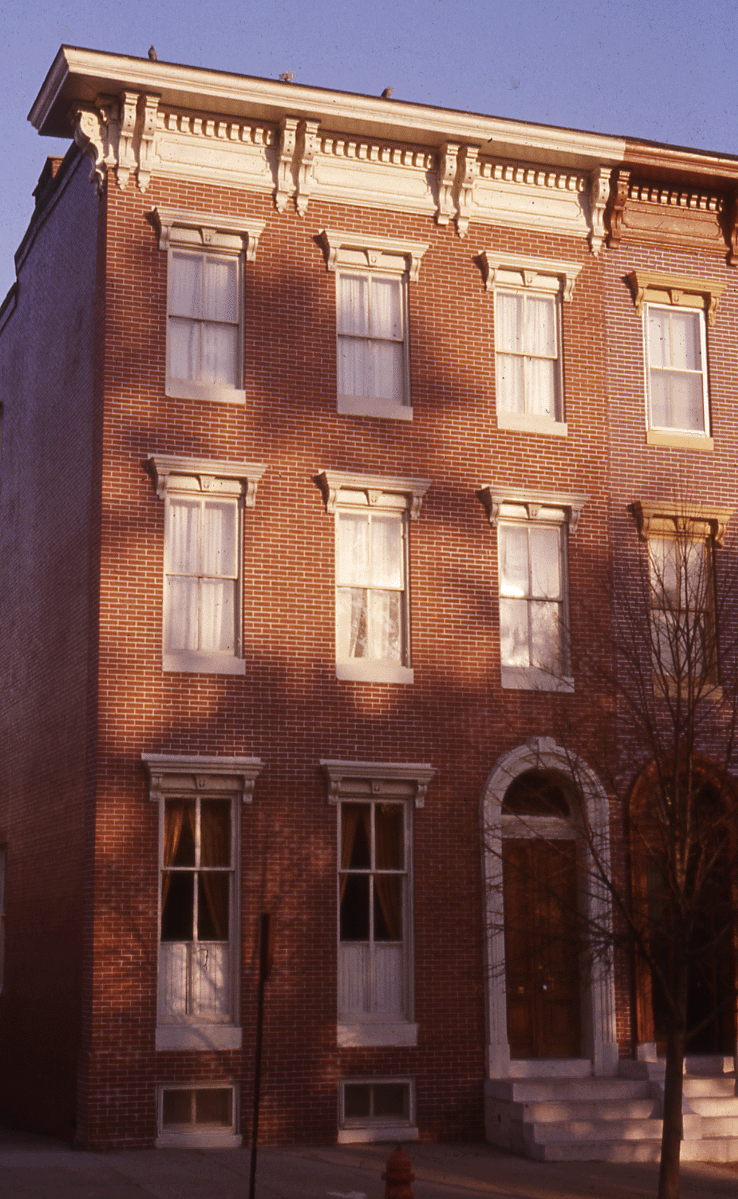
Image courtesy Jack Breihan

The heavy carved wooden cornice of this rowhouse was based on the palaces of the great trading families of the Italian Renaissance – the Medici, for example. Perhaps the adoption of this “Italianate” style reflected the booming commerce of a growing Baltimore. At any rate, from the 1850s on, Italianate became the most popular architectural style in Baltimore for the next four decades. Unlike the semi-fortified houses of the Renaissance elites, Italianate rowhouses featured huge windows, increasingly taking advantage of advances in glassmaking that replaced multi-paned windows with window frames incorporating extensive sheets of glass, sometimes triple hung for extra height. Arched doorways were approached by white marble steps. Italianate houses could be either brick or stone. But carved wood cornices crowning flat or shed roofs always remained the hallmarks of this style.