[We Dig Hampstead Hill] Dr. John Bedell spends the day at Día del Niño

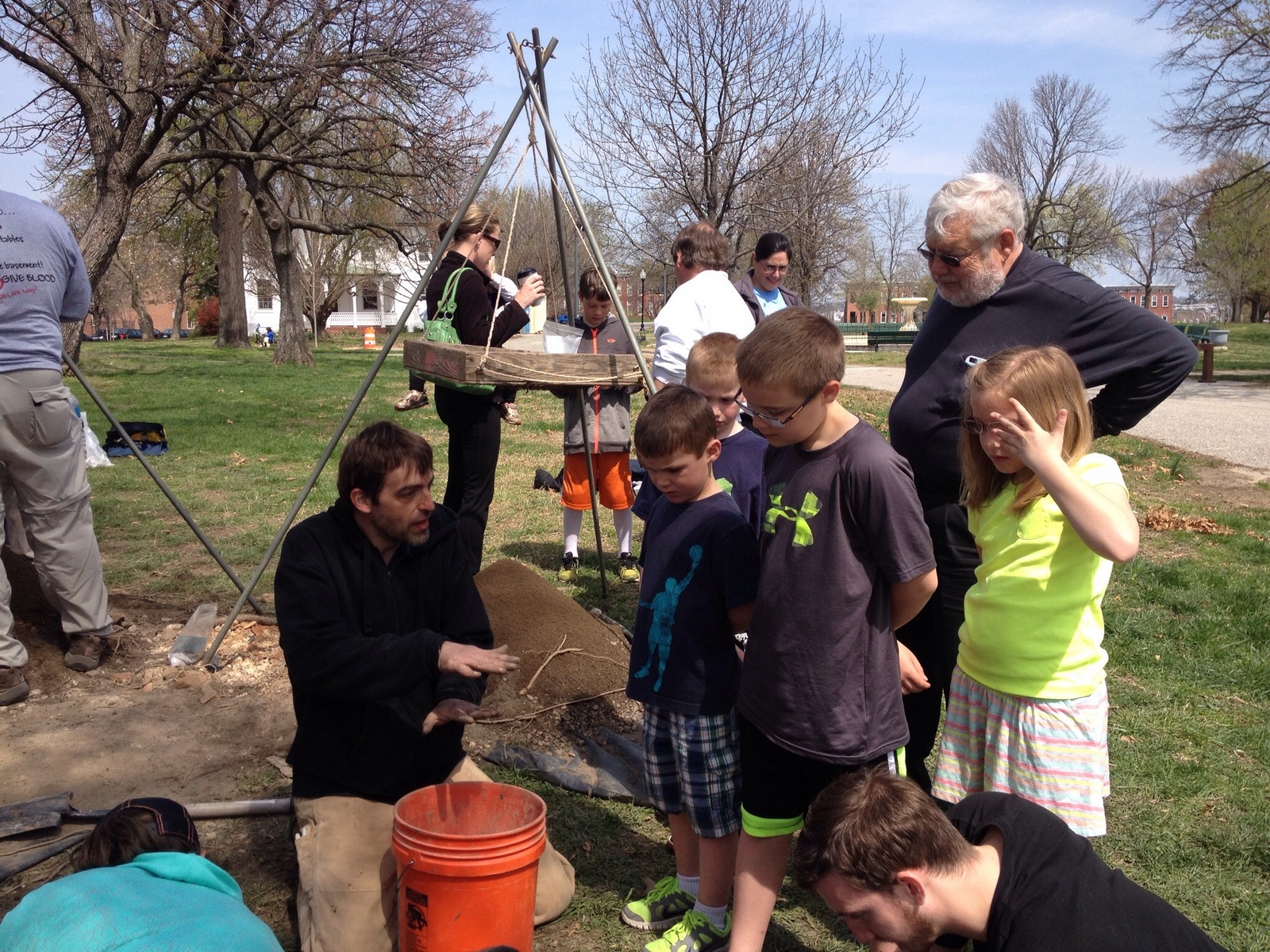
Thanks to John Bedell for sharing his reflections on digging in Patterson Park during Día del Niño and a few photographs from a sunny day of archeology, music, and art.
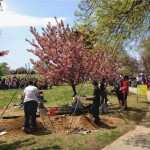
 

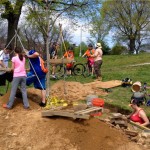
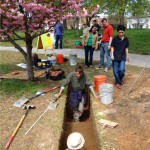
I spent most of today in Patterson Park again, helping my crew and our volunteers keep looking for the 1814 earthworks. This is proving to be more of a challenge than we thought a week ago. I spent my day in the south trench, which you can see above in the early morning light. We thought we had found the fortification ditch here last week, but that turned out to be a brick-lined drain dating to around 1900. (Hence the bricks piled around the trench.)

We had to dig two feet deeper to reach what we hope is the top of the actual 1814 ditch. But we are now 4 feet down and can’t take the trench any deeper for safety reasons, so we will try to verify that the ditch is what we think by digging a couple of shovel tests in the trench floor. I did a fair amount of digging myself today, for the first time in months!
[We Dig Hampstead Hill] First week finds in Patterson Park fieldwork

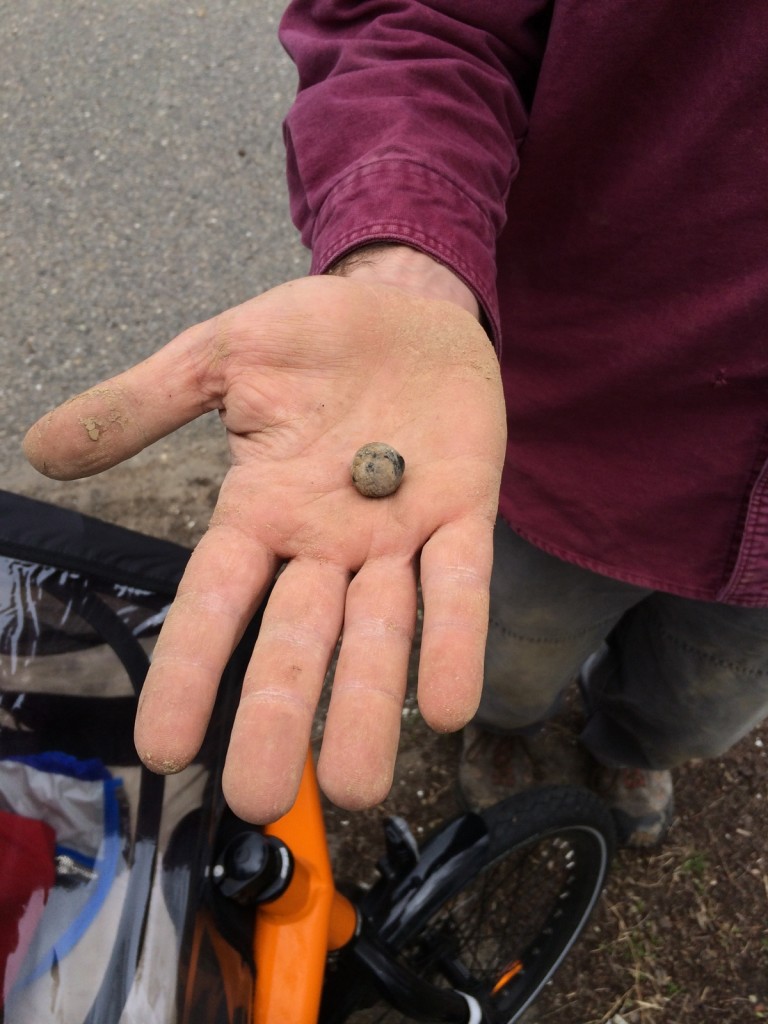
Our project team spent their first week following up on the remote-sensing study conducted by Dr. Tim Horsley last month. Tim’s study gave us two big leads: evidence of the old fortification ditch and evidence of a building and cellar we believe may be Jacob Loudenslager’s tavern and the field headquarters during the Battle of Baltimore.

To learn more about these features, the team opened three trenches, including one at the tavern site and two to test the old fortification ditch. Fieldwork Director Greg Katz shared his reflections on the first week in the field:

The testing of the tavern area has gone very well. We found the remains of what we think is a brick foundation on the very first day of the investigation. So far, the search for the trench has been less successful. While we located signs of the original fortification in the southern trench, we also found a drain that looks like a later feature (likely installed between 1827 and the 1853 when the area was turned into a public park).

According to the remote sensing survey, the northern ditch was supposed to be buried just over 3 feet below ground but we have not yet found anything that’s clearly the fortification yet so we have to go a little bit deeper still. I’m excited that so much of the 19th century landscape seems to still be intact but we still have a lot of work to do and it’s been taking a long time to get the information that we have so far so we have to try to be very careful from here going out strategic in terms of what amount what testing were going to be able to accomplish.

News: Archeologists Dig Up 200-Year-Old History In Patterson Park

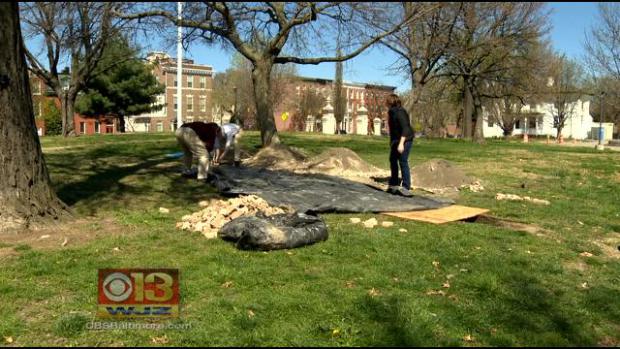
Archeologists Dig Up 200-Year-Old History In Patterson Park, WJZ News Sun, April 21, 2014.

They’re searching for history on what used to be Hampstead Hill. Using high-tech radar and shovels, Baltimore Heritage has launched an archeological dig in Patterson Park.

“We started out here with our remote sensing. We have ground penetrating radar. This is a way to cover a lot of ground quickly without disturbing the soil. We try to dig as little as possible on a really historic site because we don’t want to damage the site,” said archeologist John Bedell, of Louis Berger Group. Bedell says it’s a great Baltimore story, where 15,000 proud city residents and dozens of cannons formed a line of defense against the British in 1814.

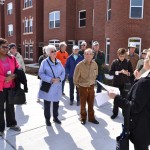
Photos: “We didn’t paint them beige” Rowhouses on Barclay by Foot

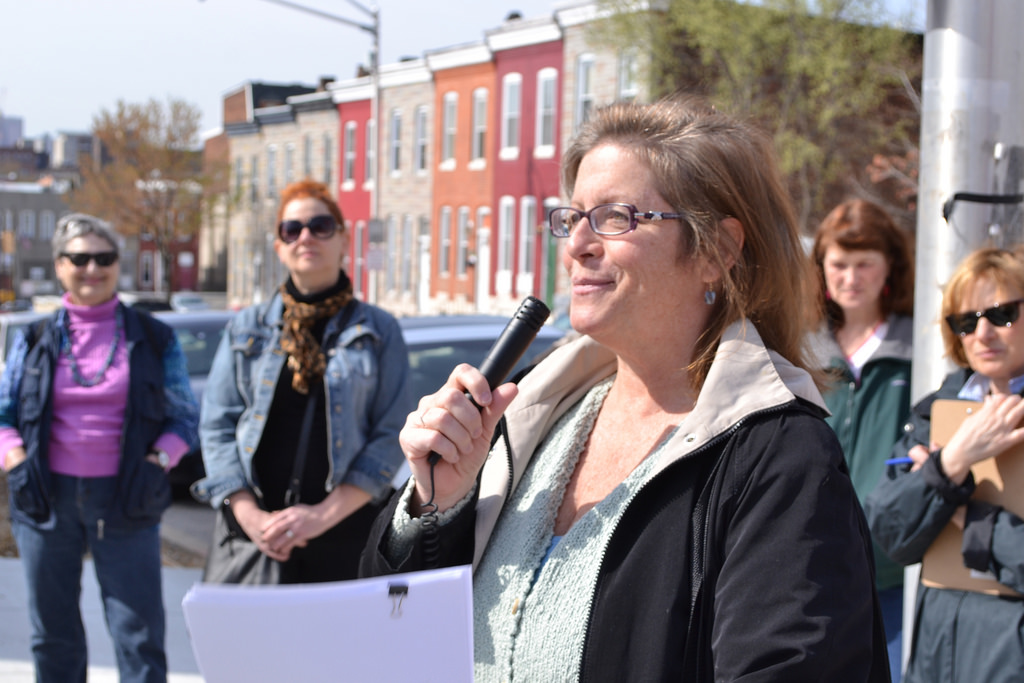
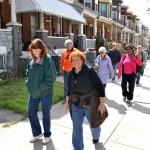
Thanks to Steve Earley for sharing these great photographs of our Barclay by Foot tour led by Jenny Hope from the Telesis Corporation! Enjoy his whole set on Flickr and get inspired to join us for another upcoming Baltimore by Foot walking tours this spring.