To amplify Baltimore’s diverse cultural heritage through collaboration, advocacy, and education.
Category: Education
Our education programs include technical assistance to property owners, heritage education around the Civil War Sequicentennial and the Bi-Centennial of the War of 1812, and our ongoing Race and Place in Baltimore Neighborhoods project.
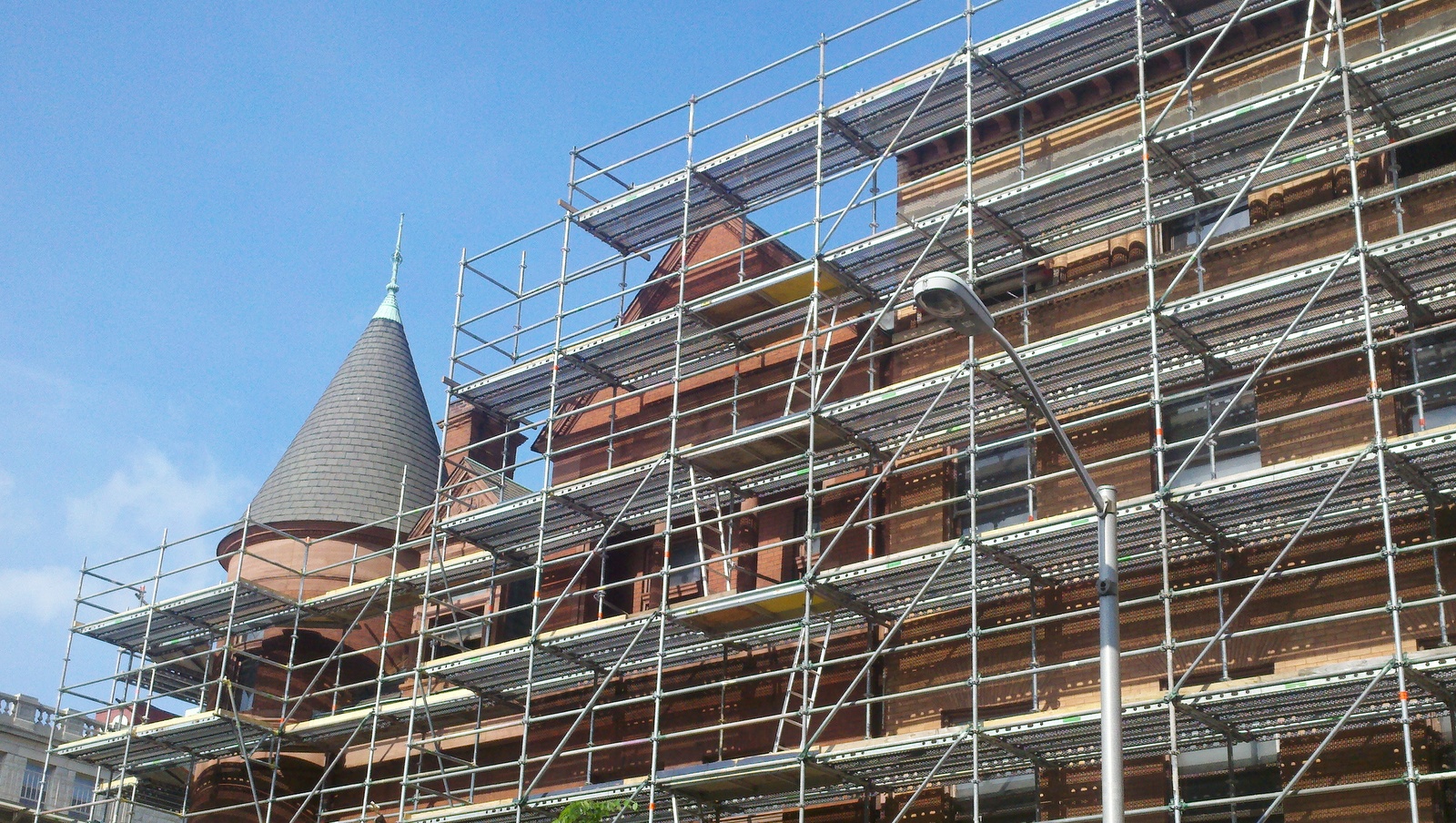
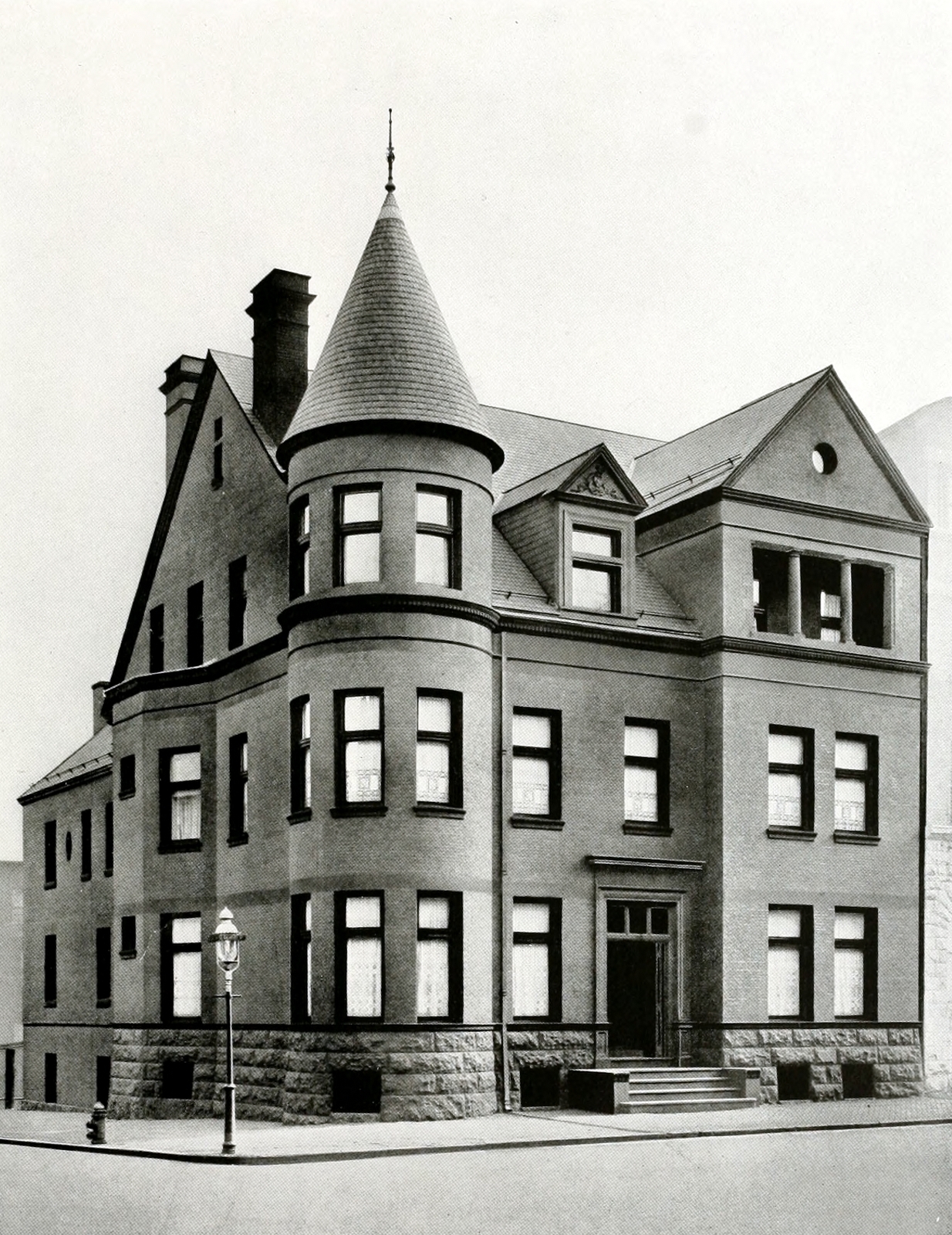
Designed by architect Charles Carson for Baltimore banker John S. Gilman, this 1889 Calvert Street mansion is undergoing a major renovation by developers Azola & Associates and partners to turn the former Inn at Government House into The Ivy – a new boutique hotel in Mt. Vernon. William Painter, inventor and founder of the Crown Cork and Seal Company, lived at the home with his family up through his death in 1906.
Photograph of the William Painter Mansion from “William Painter and his father, Dr. Edward Painter” (1914)
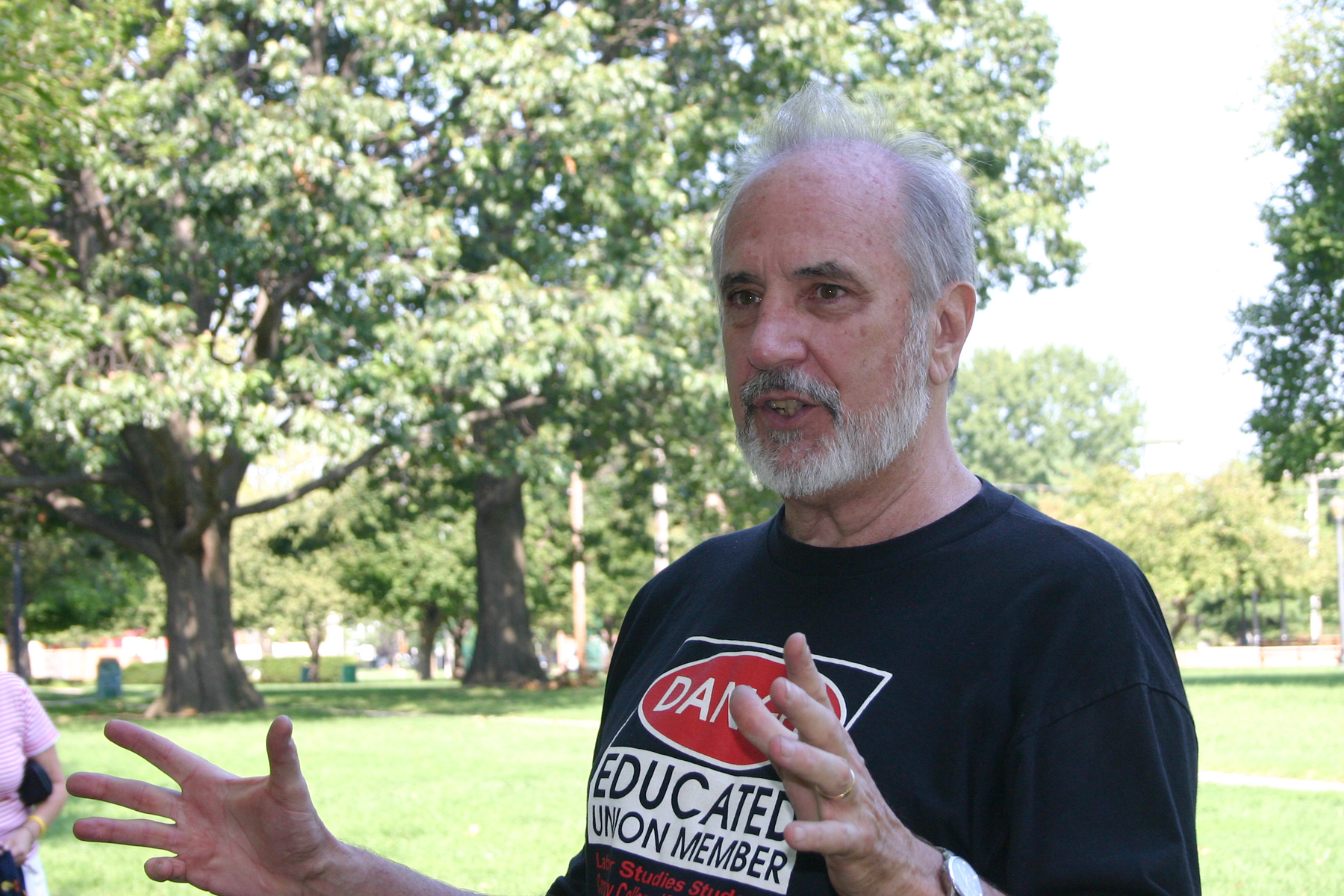
Our latest guest blog post comes from Bill Barry, long-time Director of Labor Studies at the Community College of Baltimore County introducing us to the Great Railroad Strike of 1877 and a new historic marker at Camden Station to commemorate the event. We’re also excited to feature a video on the 1877 strike produced for Explore Baltimore Heritage by UMBC student William Carroll for the course Practices in Public History course with Dr. Denise Meringolo.
Bill Barry
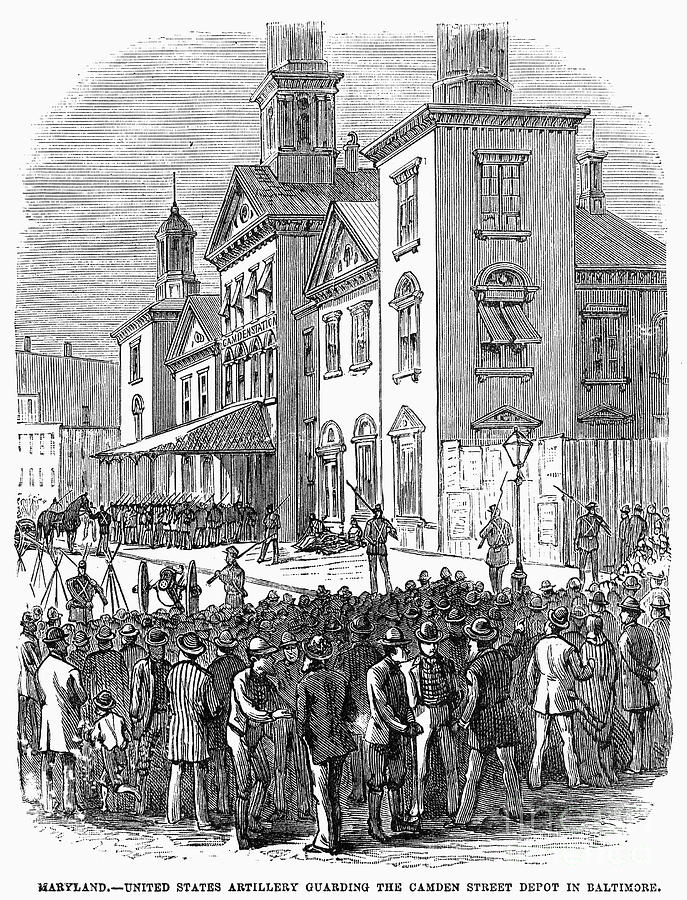
When I spoke at a gathering of the Occupy Movement at the McKeldin Fountain in 2011, I mentioned that we were on hallowed ground because the original “occupy” movement in Baltimore City occurred in 1877, as tens of thousands of railroad workers carried on the first national strike, shutting down all freight traffic and giving new meaning to the term “reconstruction.” The strike started on July 16, 1877, against the B & O Railroad and the first strike demonstrations were in front of the company’s main depot at Camden Yards.
One aspect of the strike was the military opposition to the strikers, first from state militia in Maryland and West Virginia, and then by federal troops ordered out by President Rutherford B. Hayes, who had been elected, in part, for his commitment to withdraw all federal troops from the states. In a devastating moment, eleven citizens were murdered by the militia near City Hall as the troops tried to march from the armory across from the Shot Tower to Camden Yards. Since this movement is virtually unknown—the Pratt Library catalogues its documents under “The Riots of 1877″—I decided to propose a historical marker in front of Camden Yards, honoring the strikers and their community.
The process for applying for a new marker is available at online at the Maryland Historical Trust website. While proposals generally have to get approval from the State Highway Administration, this one also had to pass the Maryland Stadium Authority because of its unique location. In addition to the usual historical support, I also turned in several dozen letters from high school teachers across the country, who participated in a workshop in July, 2011, about the strike. My partners in this project—Nancy Kurtz from the Maryland Historical Trust and Jan Hardesty, from the Stadium Authority—were wonderful and a process that I was warned could take years was completed in about six months! The state cast (and paid for) the marker, using language I proposed, and the unveiling will be a great event.
1877 Railroad Strike Historical Marker Unveiling
Saturday March 23, 10:30 am
Unveiling at Camden Yards in front of the B&O Warehouse on Howard Street See the Orioles website for information on parking and transit options. There will be a reception after the unveiling at The Irish Railroad Workers Museum on Lemon Street, across from the B & O Museum. Free parking is available for anyone who RSVPs in advance with Bill Barry at billbarry21214@gmail.com.
We’re excited to welcome our latest home-owner into the Baltimore Heritage Centennial Homes program with a plaque presentation for Mr. Roland Moskal on Fait Avenue at the monthly Canton Neighborhood Association meeting on March 25.
Moskal Centennial Home Plaque Presentation at the Canton Neighborhood Association Meeting
Monday, March 25, 2013, 7:00pm
United Evangelical Church, 3200 Dillon Street, Baltimore, MD 21224 Social gathering starts at 6:30pm and the presentation starts at 7:00pm with brief remarks from the Canton Neighborhood Association President, Daryll Jurkiewicz.
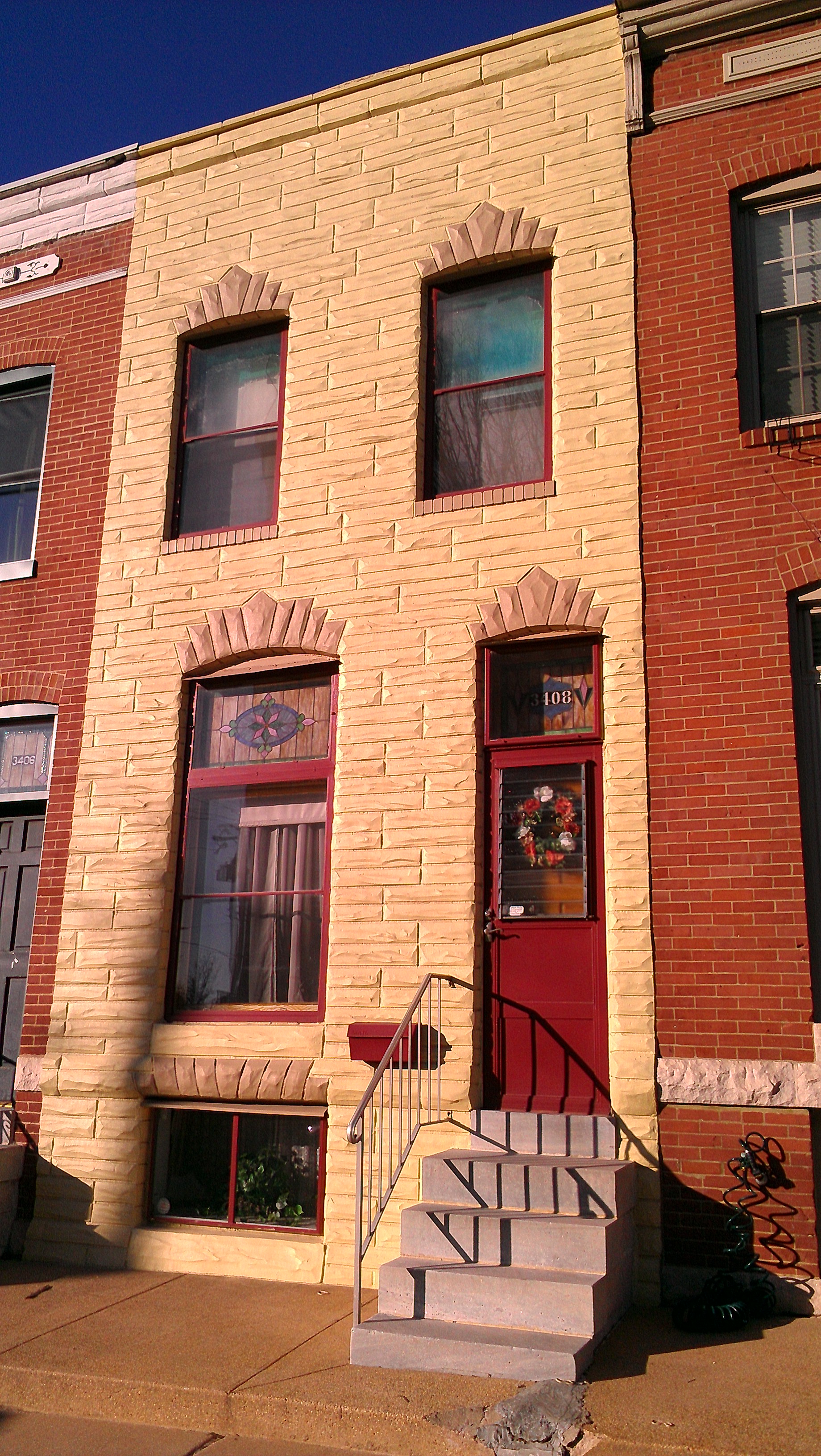
In 1904, Roland Moskal’s maternal grandmother, Maggie Williams, a widow, purchased a newly constructed rowhouse at 3408 Fait Ave. in the neighborhood of Canton in Baltimore City. She paid off her mortgage 17 months later in 1905. Over the last 108 years, Maggie Williams was followed by three generations of her family who have owned and occupied the property including her grandson Robert Moskal. Read on for the extensive profile of the history of this long-time Canton family and their home. Special thanks to our hard-working volunteer Lisa Doyle for her continuing work on the Centennial Homes program. If you have information on a Centennial Homeowner in your neighborhood, please contact Lisa Doyle at 410-484-7878 or doyle@baltimoreheritage.org.
Thanks to a grant from UMBC’s BreakingGround initiative this past fall, Baltimore Heritage enjoyed a unique opportunity to work closely with UMBC Professor Dr. Denise Meringolo and nine UMBC students in a graduate-level public history course. The students worked with us to develop short video documentaries on the stories of Baltimore’s historic landmarks for our new website and smartphone application, Explore Baltimore Heritage. The student videos — produced with support from the UMBC New Media Studio — share images and vignettes from the history of grave-robbing at Davidge Hall, the ignominious demise of Edgar Allen Poe and his burial at the Westminster Burying Ground, and the complicated past of urban renewal at Baltimore’s First Mariner Arena.
When we first started working with Dr. Meringolo and her public history students in spring semester of 2012, we developed a project that allowed students to build on on our existing research and tell new stories about historic places like the Baltimore Bargain House or Hutzler’s Department Store with writing and archival photographs. When Dr. Meringolo offered us the opportunity to continue working with her students into the fall, we settled on an ambitious goal: use the wealth of historic photos from local archives to tell stories with short videos. Fortunately, several of the students from the spring semester collaboration decided to continue with the second course and brought valuable expertise on the history of downtown Baltimore to this new challenge.
It has been exciting observe how the students have gained a new perspective on the role of public history in the often political and messy debates around economic development and preservation in an urban downtown. For Baltimore Heritage, the partnership has greatly extended the capacity of our small two-person non-profit and enabled us to expand the featured buildings on Downtown’s West Side.