Two men standing in the street; one is pointing and the other is holding a tape measure.

Upcoming heritage tours, an archaeology volunteer open house, and more fall events

With summer in the rear view mirror, it’s time to turn to the fall when we hope you can join us on the heritage tours, seminars, and events we’ve lined up in September and October.

Beginning on Saturday, September 9, we are continuing our monthly tours of Lexington Market “catacombs” and historic vendors. If you missed our Lexington Market tours in the spring, now’s your chance! That afternoon, you are welcome to get involved with the Herring Run Archaeology Project at a volunteer open house where project archaeologists will share updates on the dig and upcoming opportunities.

Thursday, September 12 marks the 137th birthday of H.L. Mencken, and we’re celebrating with a tour: “My Own Two Hands”: A Birthday Tour of the H.L. Mencken House. Our partners, the Friends of the H.L. Mencken House and the Baltimore National Heritage Area, will share the history of the building and its curmudgeonly resident, as well as plans for restoration and reopening. At the end of the month, on Saturday, September 30, we’re taking a one-hour walking tour of Ellicott City, with Preservation Maryland’s executive director Nick Redding. Nick will share a close look at the challenges and progress of the recovery one year after a devastating flood.

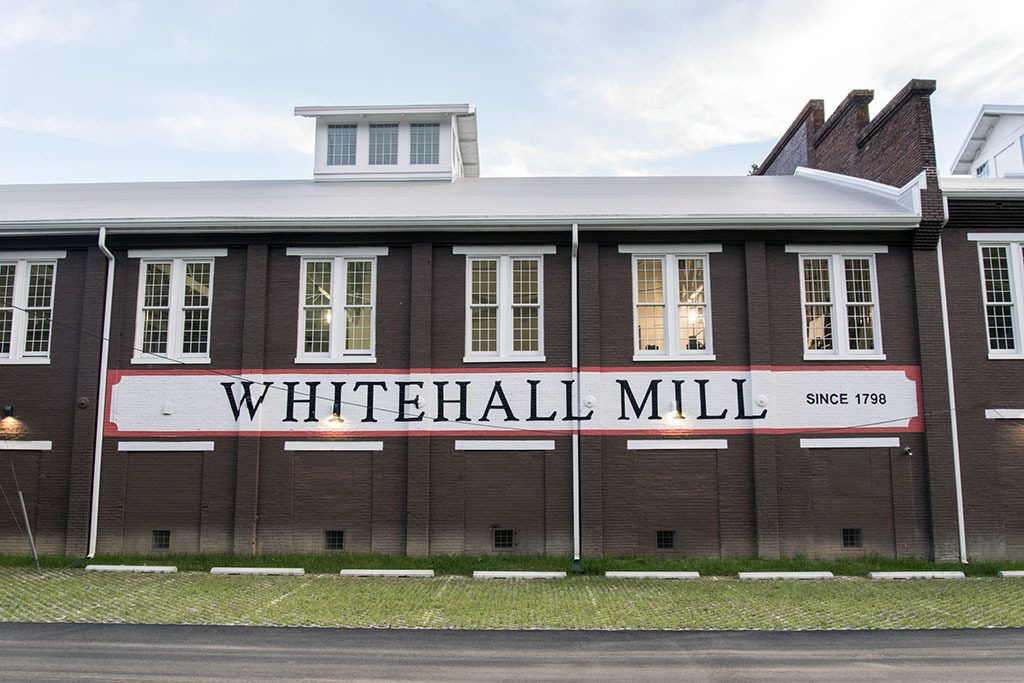
On Tuesday, October 3, we are saying thank you to everyone who volunteers with us, joins our heritage tours, and supports Baltimore Heritage as members, donors, and sponsors. We’re hosting an evening of thanks at Whitehall Mill with a reception, a tour of this historic former textile mill, and a chance to help us give away four micro-grants for preservation work in Baltimore. We hope you can join us for this free event and give us the chance to say thank you for all you do.

Large brick building with a sign reading "Whitehall Mill" painted on the side.
Photograph by Brian P. Miller, 2016. Courtesy Baltimore Architecture Foundation.

Five and Dime Historic District moves forward after Commission for Historical and Architectural Preservation approval

Baltimore Heritage has advocated for preserving buildings in the Market Center historic district on the west side of downtown for almost twenty years. Six years ago, our campaign for the preservation of Read’s Drug Store (and the threatened five-and-dime stores along the 200 block of W. Lexington Street) helped to bring the history of the proposed Five and Dime historic district to broader public attention and won the stores a temporary reprieve from demolition.

Last week, we testified to support a proposal by the Baltimore Commission for Historical and Architectural Preservation to designate a new local historic district granting the stores, banks, and offices along Lexington, Howard, Liberty and Fayette Streets the lasting protection they deserve. Fortunately, the commission voted to approve the designation and the proposal will continue for a hearing before the City Council before it can be officially designated later this year. The Five and Dime district is one of two new historic districts coming to the area after CHAP approved the new Howard Street district at their hearing on July 11.

Photograph by Eli Pousson, 2017 May 9.

We believe that these local district designations will offer a clear, consistent, and predictable design review framework for existing property owners and potential investors. In a welcome change from their position six years ago, the Baltimore Development Corporation is actively supporting the preservation of the city-owned buildings in the Market Center area through stabilization work and new preservation requirements for developers responding to requests for proposals. The districts will also be a tool to protect privately owned buildings from demolition or inappropriate changes.

Courtesy Baltimore Commission for Historical and Architectural Preservation.

The buildings within the new districts are important not just for their architecture but also for the stories of the everyday people who worked and shopped in these buildings: from humble retail clerks to bank executives to student protestors. Preserving the stories of these people is important to the civic identity and memory of Baltimore’s residents, the success of heritage tourism in Baltimore City, and the continued development of the Market Center area.

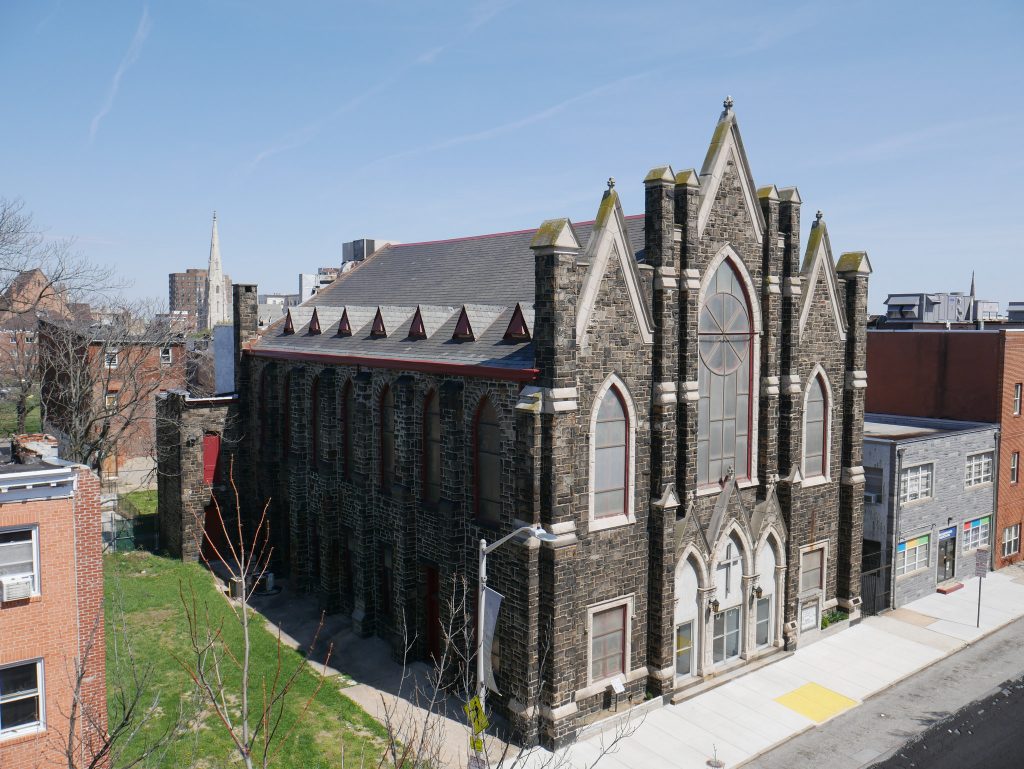
A four-story tall red brick building with arched windows.
Photograph by Eli Pousson, 2017 June 28.

For more information on the history and architecture of the two proposed districts, you can download the CHAP staff report for the Five and Dime Historic District or the report for the Howard Street Historic District. You may also enjoy this look at the history of Lexington Street as the “city’s busiest shopping area” column by Jacques Kelly in the Baltimore Sun.

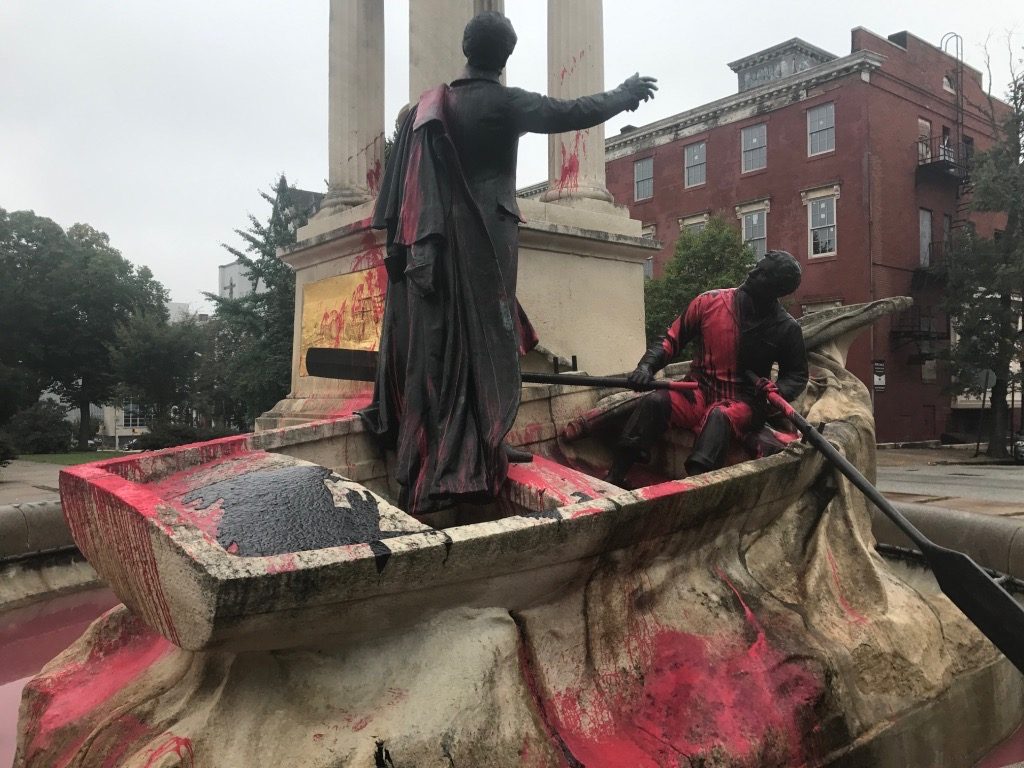
Baltimore took down four Confederate monuments: what comes next?

Last night at Mayor Pugh’s direction, Baltimore’s three public Confederate monuments and the monument of Justice Roger B. Taney were taken down and placed in storage. The city’s action comes after a series of meetings, public discussions, and protests that began in June 2015 when people in Baltimore and across the country called for the removal of Confederate monuments and former Mayor Rawlings-Blake created a special commission to study Baltimore’s four statues. More recently, this past Sunday, over a thousand people gathered at the Lee-Jackson Monument for a rally to show solidarity with Charlottesville and to call on the city to take down the monuments. And on Monday, the Baltimore City Council voted unanimously to support a resolution by Councilman Brandon Scott to remove all four of the statues. The Mayor’s decision to remove the monuments last night also came after Baltimore BLOC announced a plan to take down the Lee-Jackson Statue through direct action, following the example set by protesters in Durham, North Carolina.

In 2015, Baltimore Heritage supported the public review of these monuments by presenting testimony and publishing a report on the history of Confederate memory. In our research, we reported how “Lost Cause” monuments to the Confederacy were built as a part of a national movement to support white supremacy beginning after the Civil War. The report also chronicled how the monuments sparked opposition and controversy at the time they were erected. For example, in 1888, a Confederate veteran opposing the erection of a Confederate monument on Eutaw Place wrote: “I am unwilling to see erected in the public streets of this city a monument to a dead idea.” In 1948, the Afro-American newspaper criticized the mayor and governor for participating in the dedication of the Lee-Jackson Monument calling the men it depicted rebels “who walked roughshod over humble people in an attempt to build a State on the foundation of slave labor.”

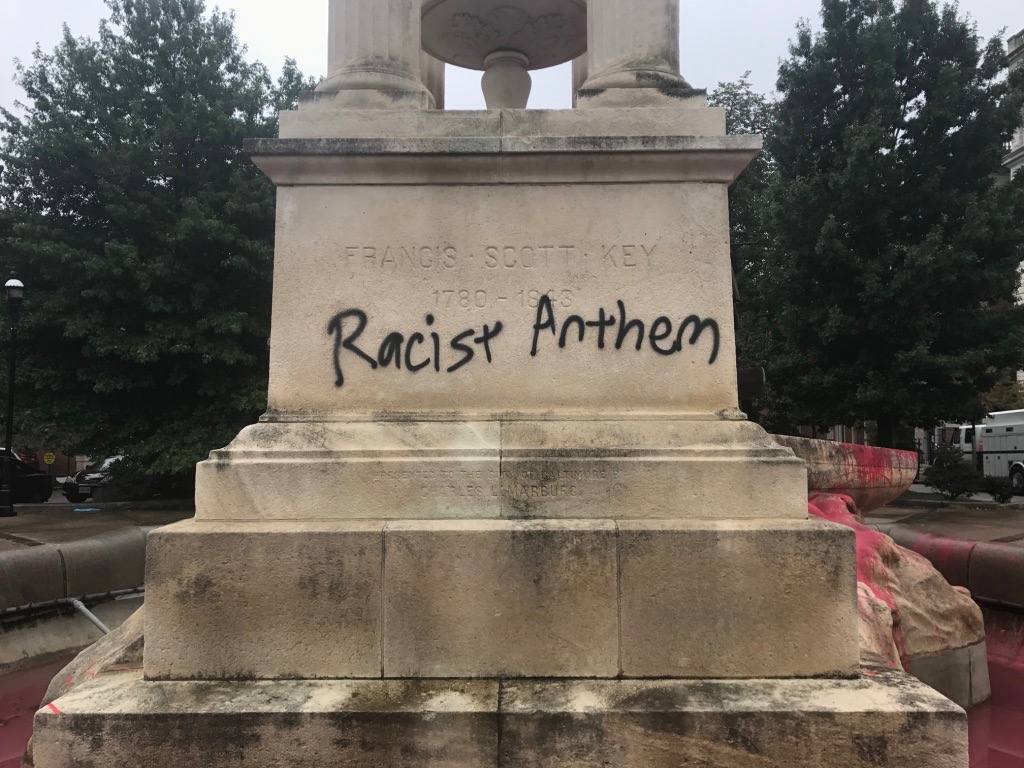
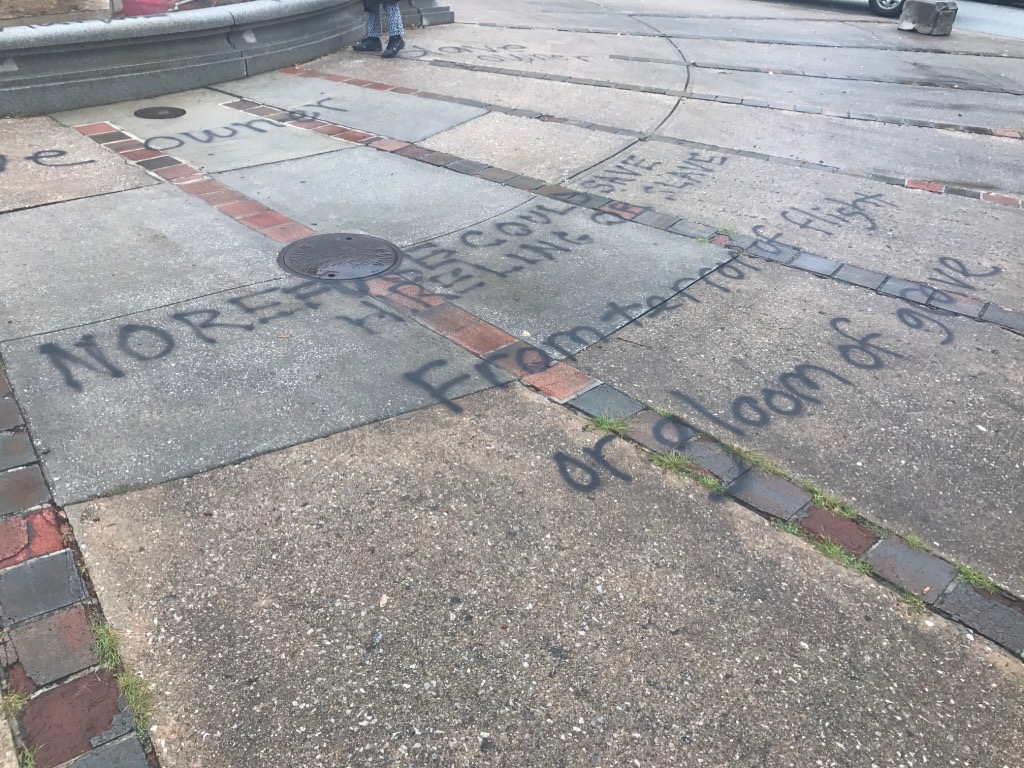
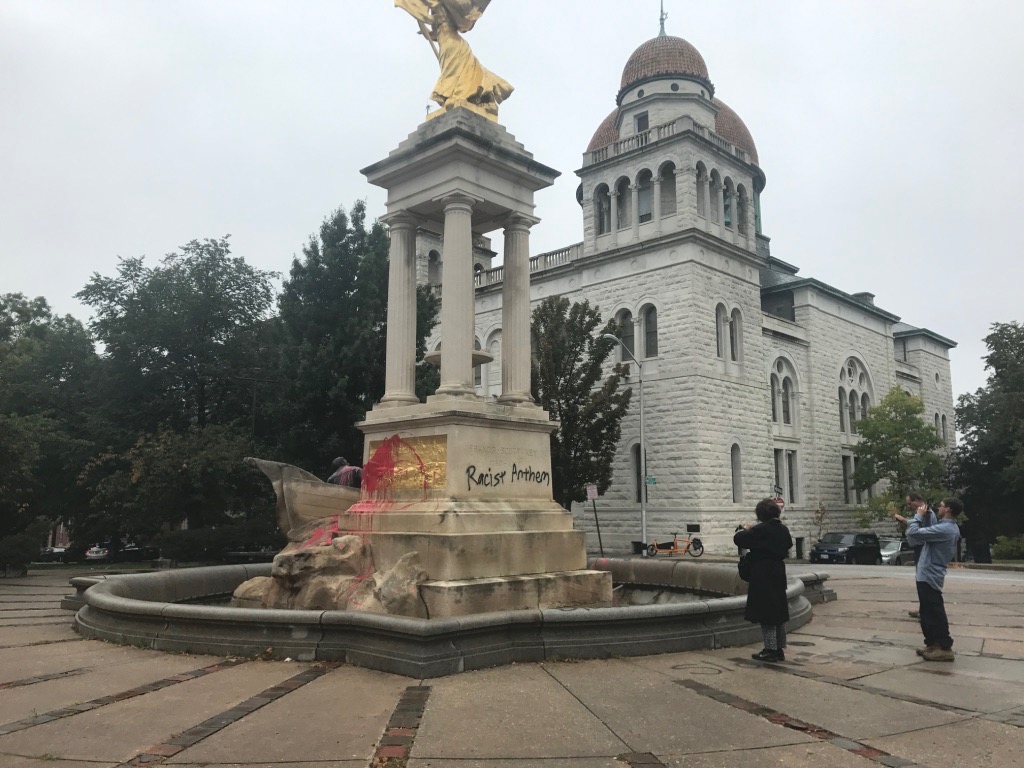
Base of the Taney Monument at Mount Vernon Place after the statue’s removal. Photograph by Eli Pousson, 2017 August 16.

Today, the four monuments are gone from their pedestals. We join many other Baltimoreans in looking forward to and participating in what comes next. The National Trust for Historic Preservation has called on communities to act in a transparent, deliberative, and inclusive way in dealing with their Confederate monuments. We agree. Just as the removal of the monuments came after years of public participation, we hope the city will invite an open discussion on what happens next at these sites.

A green-tinted photograph of a large stone house with overlaid white text reading: "Orianda House at the Crimea Estate"

New tours of the Orianda House, H.L. Mencken House, and more

After a quiet July, we are back with new tours of historic places all across the city! On August 24, we’re returning to the grand Orianda House at the former Crimea Estate in Gwynns Falls Park. Then, on September 12, we’re celebrating the birthday of Baltimore’s own H.L. Mencken with a tour of his beloved Hollins Street rowhouse.

If you have any visitors in town this summer (or you feel like being a tourist in your own backyard), be sure to check out one of our upcoming Monumental City tours of Jonestown and the Shot Tower this Sunday, August 6, downtown landmarks on August 13, the Washington Monument on August 20, and the Patterson Park Observatory on August 27. Of course, Lexington Market is open for visitors and local shoppers all year round but you can enjoy a special treat by exploring the market “catacombs” with our latest market tour on September 9.

Finally, you can get outside the city on September 30 as our friends at Preservation Maryland share how historic Ellicott City is recovering from last year’s devastating flood. We hope you are having a wonderful summer and we look forward to seeing you on a tour soon!

Tours on the move this summer!

We’re enjoying a hot start to summer but before it gets really hot we’re squeezing in a few tours that combine Baltimore’s great heritage with a little outdoor activity. Tomorrow, June 24, we’re taking a walk through Baltimore’s LGBT heritage with our Charles Village Pride tour. On Sunday, June 25, we’re pedaling and talking our way from Cylburn Arboretum to Druid Hill Park and back again on The Enduring Value of Baltimore’s Parks: A Tour by Bike. And on Thursday, June 29 you can check out moving images with a screening of the 1981 16mm film “Memories” organized by the Greater Hampden Heritage Alliance.

Finally, on Friday, June 30, we’re partnering with Goucher College’s Historic Preservation Program to offer a truly unusual tour: a visit with project engineers as they move three one-thousand ton mid-century modern dormitories across campus. How in the world can they do that? We’ll get up close on this hard hat tour to find out! We hope you can join us.

P.S. You can also check out our photos from last week’s 2017 Preservation Awards Celebration at Lexington Market. Congratulations again to all of our award winners!