On behalf of all of us at Baltimore Heritage, we would like to congratulate the winners of our 2020 Historic Preservation Awards. These people and their work are saving some of Baltimore’s most important historic places and transforming our city’s neighborhoods. Thank you!
We had been planning an in-person celebration for June to recognize the winners, but are canceling it because of the coronavirus. We are still thinking through how to celebrate this year’s awardees virtually and please stay tuned for that. In the meantime, take a look at the list below and if you know any of them, please reach out and say congratulations. They deserve it.
*If you were part of an award-winning project, and you were not listed below, please let us know.
Restoration and Rehabilitation Awards:
113 West Ostend Street
- Mr. Joshua Parker
- Labyrinth Properties LLC
- Cole Builders LLC
421 George Street
- Matthew and Megan Strott
500 South Ann Street Store Front
- David H. Gleason Associates
- Contraction Administration Services
2318 Mount Royal Terrace
- Ruth Wright
3840 Bank Street
- Urban Design Group LLC
Beth Am Synagogue
- Beth Am Synagogue
- Alexander Design Studio
- Red Sketch Landscape Architecture
- Colbert, Matz Rosenfelt, Inc
- Acoustical Design Collaborative, LTD
- Carney Engineering
- Henry Adams, LLC
- Flux Studio
- CapEx Advisory Group
- Southway Builders
- David Hess
Clifton Mansion Dining Room
- Thomas Moore Studio
- Gillian Quinn
- Laurie Timm
- Mariah Gillis
- Sue Crawford
- Bridget Cimino
- Ewa Pohl
- Vincent Greene Architects
- Matthew Mosca
- Henry Johnson
- Tom McCracken
- Friends of Clifton Mansion
- C&H Restoration
- Brough Schamp
- Erik Kvalsvik
H.L. Mencken House and Museum
- Society to Preserve H.L. Mencken’s Legacy, Inc.
- Azola Building Rehab, Inc.
- Manifold Design
- Baltimore National Heritage Area
- Baltimore City Department of General Services
- Baltimore Office of the Mayor
- Washington Place Equities
- Baltimore Commission for Historical and Architectural Preservation
- P & E Engineering & Consulting, LLC
- JLR Design Consultants, Inc.
Johns Hopkins University Maryland Hall Cupola
- Johns Hopkins University
- SM+P Architects
- Lewis Contractors
- Worcester Eisenbrandt
Adaptive Reuse and Compatible Design Awards:
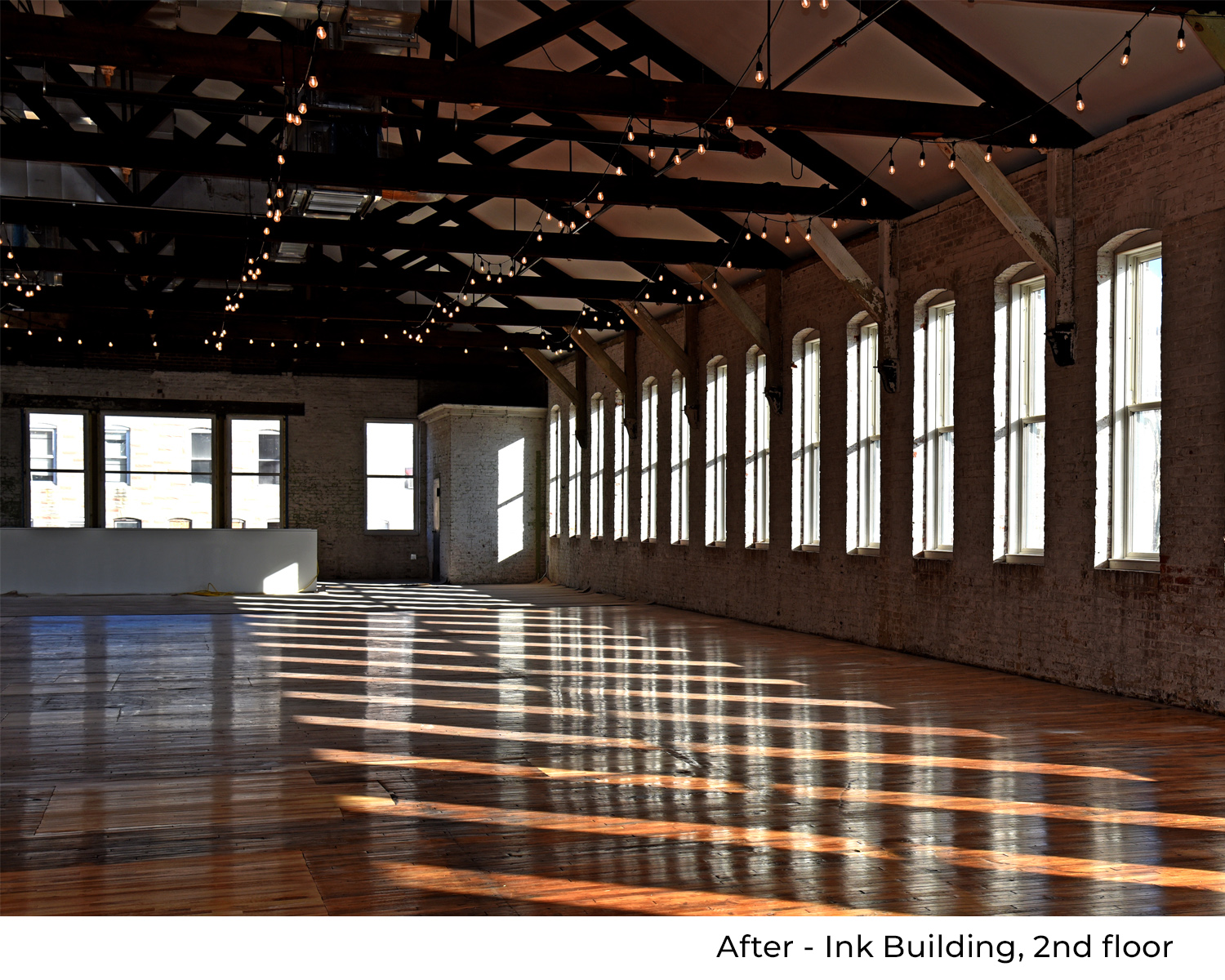
Hoen & Co Lithograph
- 2101 East Biddle LLC
- Cross Street Partners
- City Life Historic Properties
- Ziger/Snead LLP
- 1200 Architectural Engineers Pllc
- Kovacs Whitney & Associates
- James Posey Associates
STV, Inc - Michael S. Walkley, P.A.
- Budova Engineering
- Froehling & Robertson, Inc
- Urban Green Environmental
- Betty Bird & Associates LLC
- EHT Traceries Historic Preservation
- Cohn Reznick LLP
- Reinvestment Fund (TRF)
- Best Fence
- Ruppert Landscape
- Watchmen, LLC
- H. J. Poist Gas Co
- KMT Disposal
- C. L McCoy Framing Co, Inc.
- City First Bank
- PCG
- Department of Commerce
- U.S. Bancorp Community Development Corporation
- City First New Markets Fund II, LLC
- National Trust Community Investment Corp
- Telesis Corporation
- Baltimore City
- Ace Environmental Services, Inc
- Fence Masters
- Knockorp LLC
- SHE Excavating, Inc
- English Concrete, Inc
- D.A. Drenner Concrete Construction, Inc
- Quiet Floors Systems LLC
- Elite Restoration of Maryland
- Worcester Eisenbrandt, Inc.
- Neuner Masonry Company Inc
- Wilson Point Steel, Inc.
- Slaghammer’s Welding
- Majer Metal Works
- Loudoun Stairs
- Reisterstown Lumber
- Heidler Roofing
- North American Roofing
- CNC Roofing LLC
- ACW Inc
- Fullview Aluminum & Glass
- Revolution Windows Systems
- Tegeler Construction & Supply
- Unified Door & Hardward Group, LLC
- CEV Building Systems LTD
- Eastwood Painting & Contracting, Inc
- Business Flooring
- Polished Concrete Systems, Inc.
- MD Partitions
- Mats Inc
- Livingston Fire Protection Inc.
- Scaffold Resources LLC
- Delaware Elevator
- Fidelity Mechanical Services
- Benchmark Automation & Controls
- Fleet Electric Inc.
- Kevson Services Group
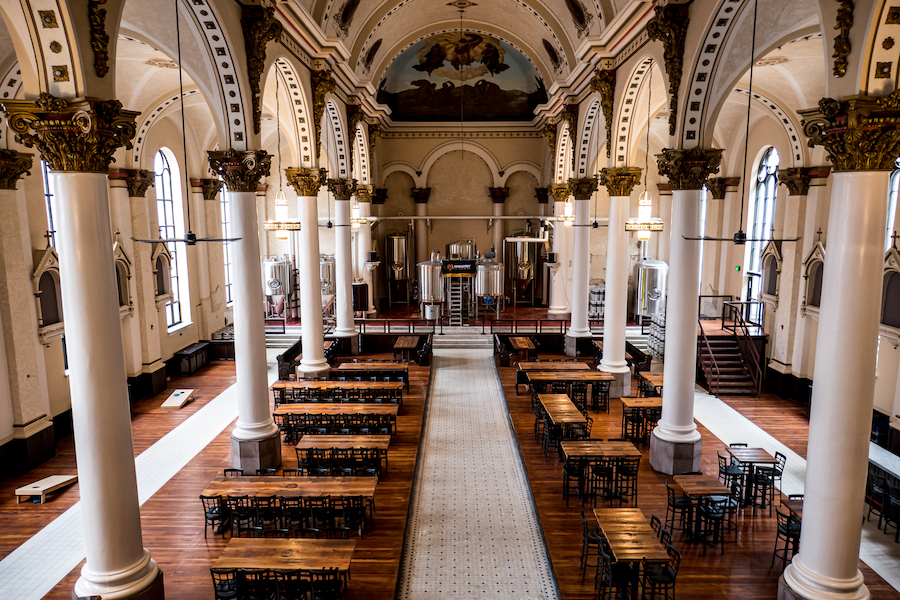
Ministry of Brewing
- Michael Powell
- St. Michael’s Redevelopment Partners
- Present Company
- Wiss, Janney, Elstner Associates
- ThermalTech Engineering
- F.M. Harvey Construction Co., Inc
- Fleet Electric
Special Recognition for Once-in-a-Lifetime Restoration and Rehabilitation Work:
Center for Health Care and Healthy Living at the Baltimore Hebrew Orphan Asylum
- Ballard Spahr LLC
- Baltimore City Health Department
- Behavioral Health System of Baltimore
- C.L. McCoy Framing Co.
- Coppin Heights Community Development Corporation
- Cross Street Partners
- Reinvestment Fund
- Southway Builders
- Waldon Studios Architects
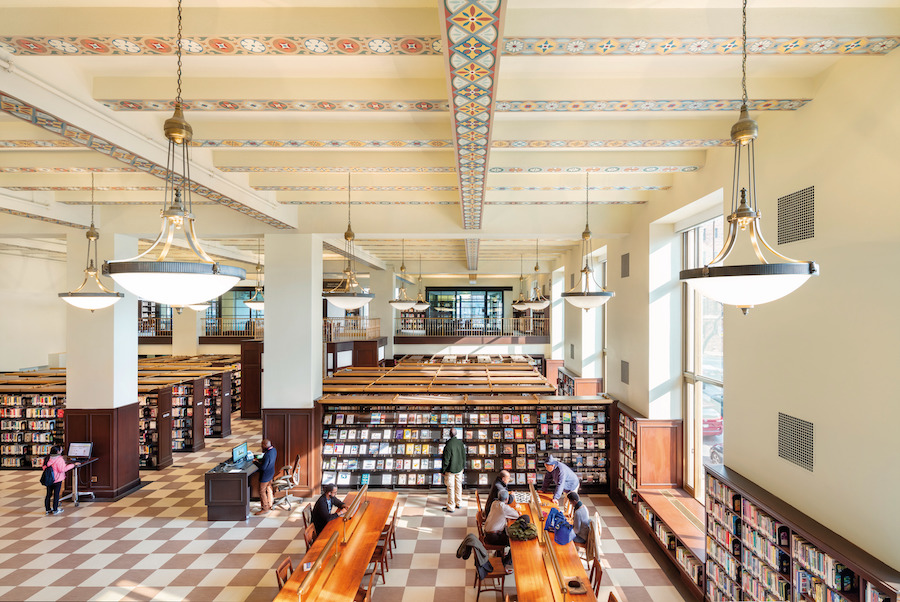
Enoch Pratt Free Library
- Enoch Pratt Free Library
- Beyer Blinder Belle
- Ayers Saint Gross
- Mueller
- Sustainable Building Partners
- WFT
- AMT Engineering
- Jensen Hughs
- Spexsys
- Restl
- VDA
- Tillotson Design
- ASSA ABLOY
- Cerami & Associates
- Gilbane
- Baltimore Department of General Services
- SVA
Heritage Preservation Awards:
Henry Holt Hopkins, for leadership in restoring the Washington Monument, Clifton Mansion, and the Clifton Gardener’s Cottage
Charlie Duff, for helping us understand Baltimore’s historic and contemporary development through his book North Atlantic Cities
Doors Open Baltimore, for helping thousands of people appreciate Baltimore’s historic places through its annual Doors Open Baltimore event
Dr. Gary Rodwell, for dedication to completing the renovation of the Baltimore Hebrew Orphan Asylum and commitment to revitalizing historic communities in West Baltimore
Douglas Gordon Lifetime Achievement Award:
David H. Gleason, FAI
David Gleason has been a preservation leader in Baltimore for over 50 years, including serving on the board of directors of Baltimore Heritage, as president of the Fell’s Point Preservation Society, as a commissioner at CHAP, as a volunteer in efforts to preserve neighborhoods like Lafayette Square and Market Center, and in countless historic restoration projects he undertook as a professional architect.
Thank you to our sponsors!
Lead Sponsors
- GLB Concrete
- Hord Coplan Macht
- Lewis Contractors
- PNC
- Quinn Evans Architects
- Southway Builders
- Zeskind’s Hardware and Millwork
Sponsors
- AGM Financial
- brennan + company architects
- Discern Health
- GWWO, Inc.
- Roland Park Place
- Poverni Sheikh Group
- Murphy & Dittenhafer
- Terra Nova Ventures
- Whiting Turner
- Ziger Snead