
Hello friends of Baltimore Heritage! We decided to take a video vacation this week. We will post a new episode on August 10 and look forward to connecting with you then. Click here for all of the 60+ videos that we have already shot!
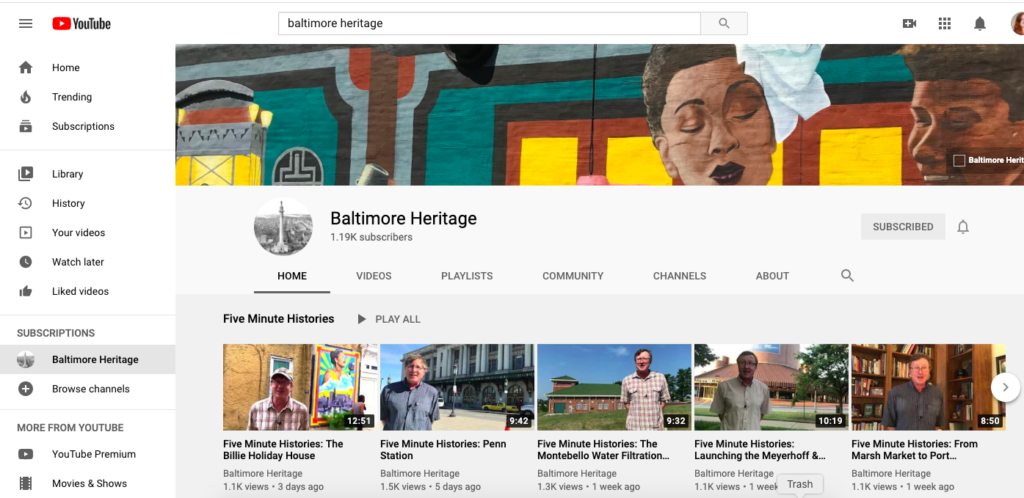
Hello friends of Baltimore Heritage! We decided to take a video vacation this week. We will post a new episode on August 10 and look forward to connecting with you then. Click here for all of the 60+ videos that we have already shot!
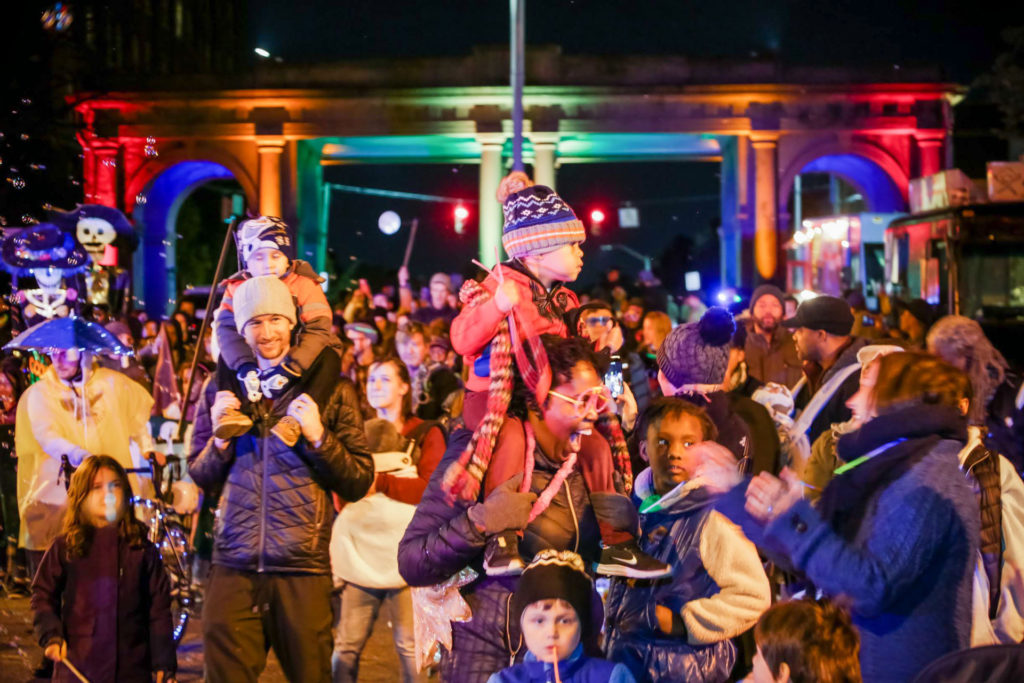
We’re in our 5th year of giving away micro-grants to help fund preservation work in the city. If you have a good idea to help preserve a historic building or place in Baltimore or help revitalize a historic neighborhood, we’d love to hear from you! The process is easy: simply fill out the online application and hit send by Wednesday, September 23, 2020.
We’ll pick the five most promising ideas and give them a chance for one of two $500 grants, two $250 grants, or one $50 grant. The awards will be made on October 22, 2020 at a virtual pitch party. Over Zoom, supporters of each idea will get three minutes to pitch them and at the end, the crowd will cast virtual ballots to decide which ideas receive the micro grants. Whether funded or not, we will promote all the ideas and projects to help them garner attention and volunteers.
The types of eligible projects are endless, and as long as they relate to Baltimore’s history, heritage, historic buildings or historic neighborhoods we will consider them. Past award winners include: restoring leaking masonry at a historic church, launching an after school arts-based safe space program in a historic neighborhood, supporting archaeological efforts at a historic furnace, and providing supplies for a community trying to provide access to a neighboring park. The sky’s the limit!
The amount of the award ($50, $250, or $500) may not be enough to complete an entire project. That’s OK. The goal is to help spark new and support existing neighborhood-level preservation work. You don’t need to be a nonprofit organization or even a formalized group to be eligible. Individuals and small groups are welcome! Complete rules can be found on the application.
And you can now register for October 22’s Virtual Preservation Pitch Party!
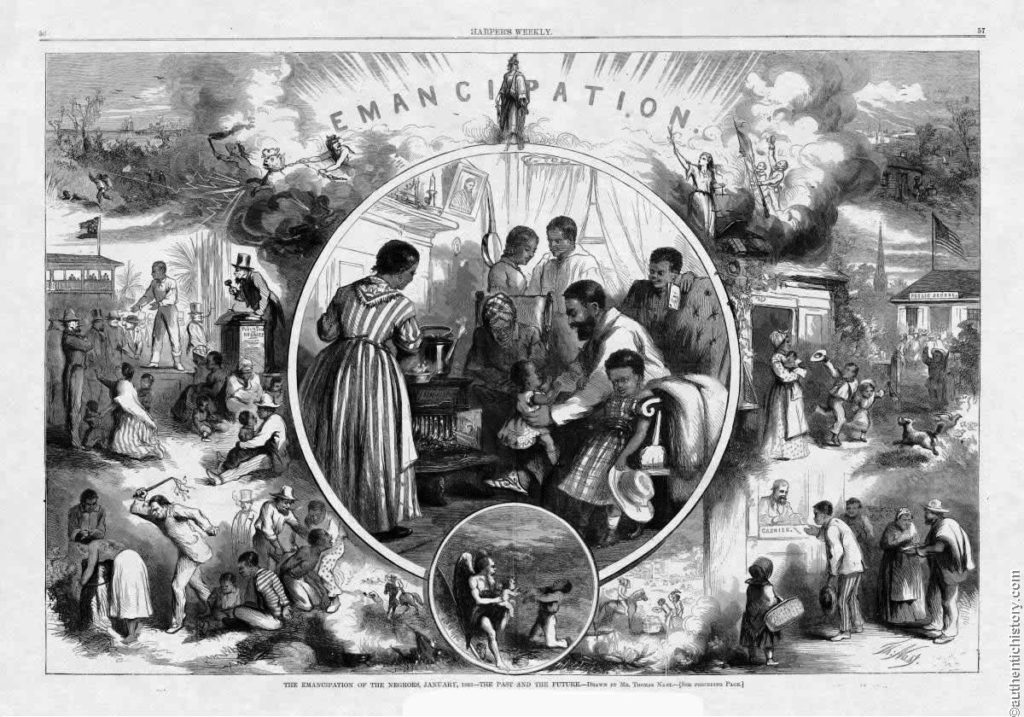
Baltimore Heritage would like to share some information on the city’s role in the slave-trade in the 19th century. One of our dedicated volunteers, Richard Messick, has spearheaded this research and in his guest blog below, he gives us some insight into what he has found. Thank you Richard!
I once took a tour at Hampton National Historic Site lead by Park Ranger Anokwale Anansesemfo, called “Forced Servitude at Hampton.” The tour described the variety of labor used by the Ridgely family to operate their estate: indentured servants, prisoners of war, and enslaved people. It was a profound and moving experience that sent me on a research project to learn more about slavery in Baltimore.
After its incorporation in the late 18th century, the population of Baltimore grew very quickly along with the expansion of the new country. One of the many “trades” that grew along with the city was the sale of people. Several things contributed to this development. First, local farmers had shifted from a labor-intensive tobacco crop to the growing of cereal grains, which required less work and contributed to a surplus of slave labor in the area. Secondly, Eli Whitney invented the cotton gin in 1793, which quickly and easily separated cotton fibers from their seeds. The cotton industry then became incredibly profitable and that fueled a desire for more land and forced labor in the South. The third factor was that the importation of people for sale was outlawed in 1808.
Lead Sponsors
Sponsors
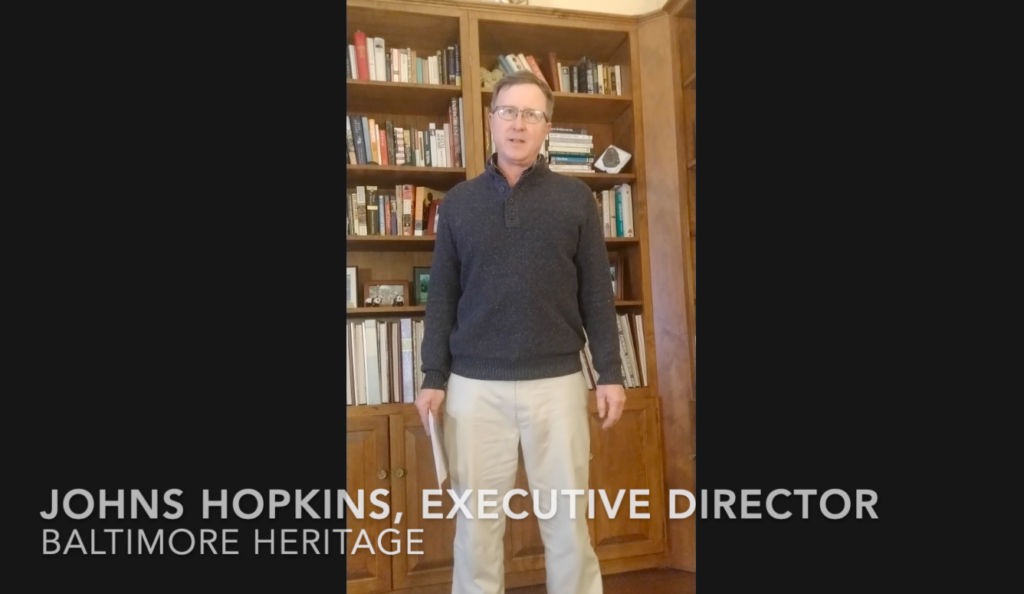
We are launching a new series called Five Minute Histories. Each day, we’ll record a short video about a different historic place in Baltimore. My on-site production crew consists of my 14 year old daughter and 15 year old son, and we are honoring Governor Hogan’s request and are doing this from home.
In the days ahead, we’ll explore Civil Rights history, mercantile history, immigration history, religious history, and a whole lot more. Although we sorely wish we could be out and about with you in person, please stay safe and check us out online each day as we try to bring a new historic site to you.
Click here to see all the videos and look for updates everyday! You can also go to our Facebook page or YouTube channel.
— Johns Hopkins, Executive Director
P.S. If you have suggestions for places to explore, please shoot me an email!