Baltimore Building of the Week: Penn Station

This week’s Baltimore Building of the Week for Dr. John Breihan includes a great photo of the historic Penn Station prior to the installation of the controversial Man/Woman sculpture–
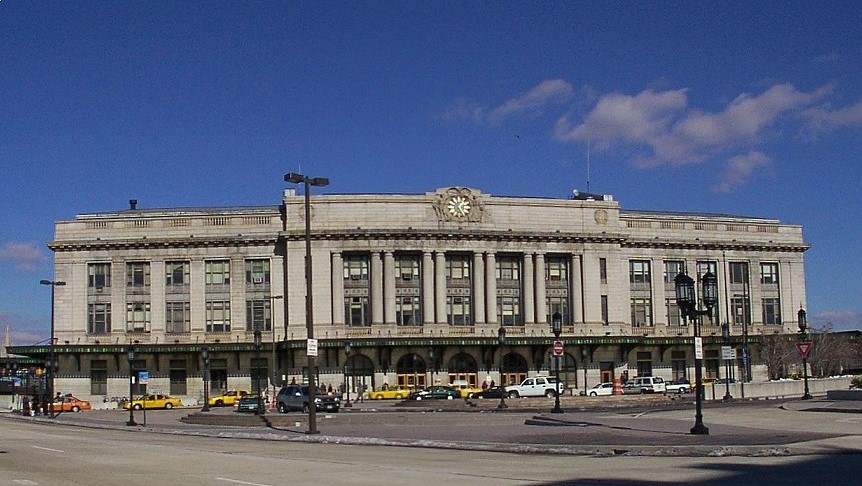
Image courtesy Jack Breihan

Louis Sullivan’s skyscraper style (as seen in Baltimore’s Equitable Bank Building featured last week) made full use of modern steel-framed construction and electrical appliances like elevators. But in the 1890s it was superseded by a style with equally advanced technology but not based on Sullivan’s famous pronouncement that “Form follows function.” Inspired by – and named after – the great French architecture school, the Ecole de Beaux-Arts, this new style combined modern steel-framed construction with historical European styles. Penn Station, completed in 1911, is a good example. Planned to handle several streams of travel on several different levels, it nevertheless presents a serene classical façade to viewers approaching up Charles Street – balustrade roofline, modillioned cornice, paired Roman columns, rusticated stone base. The equally classical interior has undergone several restorations since the 1970s. In the 1990s a connection to Baltimore’s new light rail system was added. As it approaches its 100th birthday Penn Station shows how old buildings, well maintained can continue to serve the community.
2010 Preservation Awards: Professional Arts Building

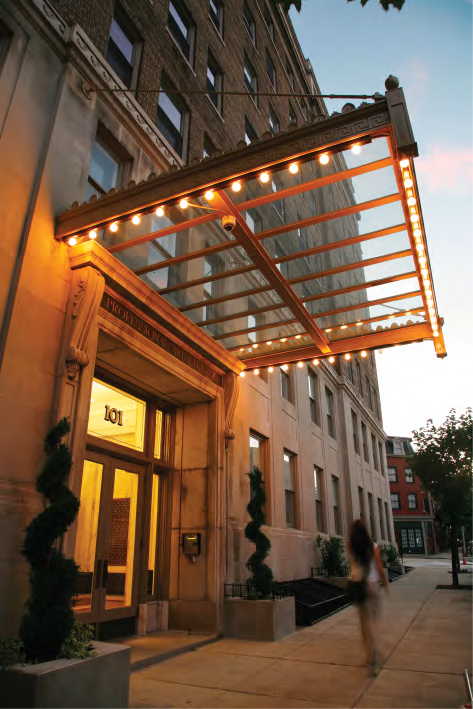
Image courtesy Kann Partners

Originally constructed as the “Medical Arts Building” in 1927, the Professional Arts Building at 101 West Read Street served as offices for medical personnel until it saw a decline in occupancy in the 1990s. The large 110,000 square foot building was left more than seventy-five percent vacant for a decade prior to its rehabilitation in 2009. Restoration work included repairing the original terra cotta balustrade, refurbishing the main lobby and elevator lobbies in the upper floors, and restoring the storefront on Cathedral Street. Kann Partners was the architect and Struever Bros. Eccles & Rouse were the builders.
Read more

Baltimore Building of the Week: Charles Village Porch-Front Rowhouses

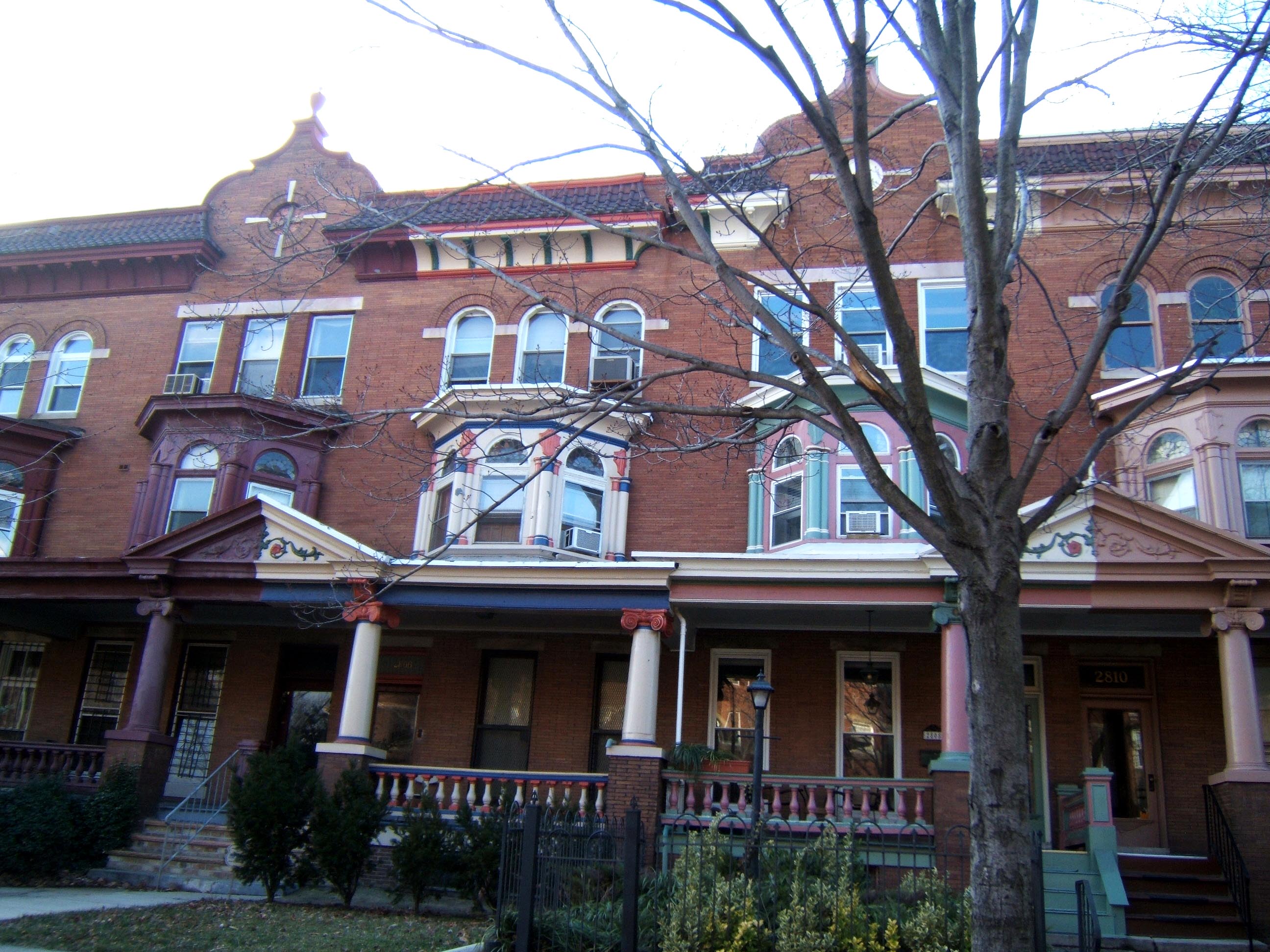
This week’s Baltimore Building of the Week returns to Charles Village to highlight the characteristic porch-front rowhouses,

Image courtesy Jack Breihan

The same sort of exuberant, uniquely American designs that appeared in the late 19th century reached a high point early in the 20th. The so-called Queen Anne Style had nothing to do with Britain’s last Stuart monarch, but instead mixed various architectural details into a happy pastiche. Here in Charles Village row houses boasted Flemish gables, Italianate brackets and arched windows, classical columns and pediments. Deep front porches offered some relief from the city’s heat as well as sociable contact with neighbors. Lately they have been acquiring vivid redecoration that highlights their architectural features.

Join us this Thursday for Rethinking Urban History from the Margins!

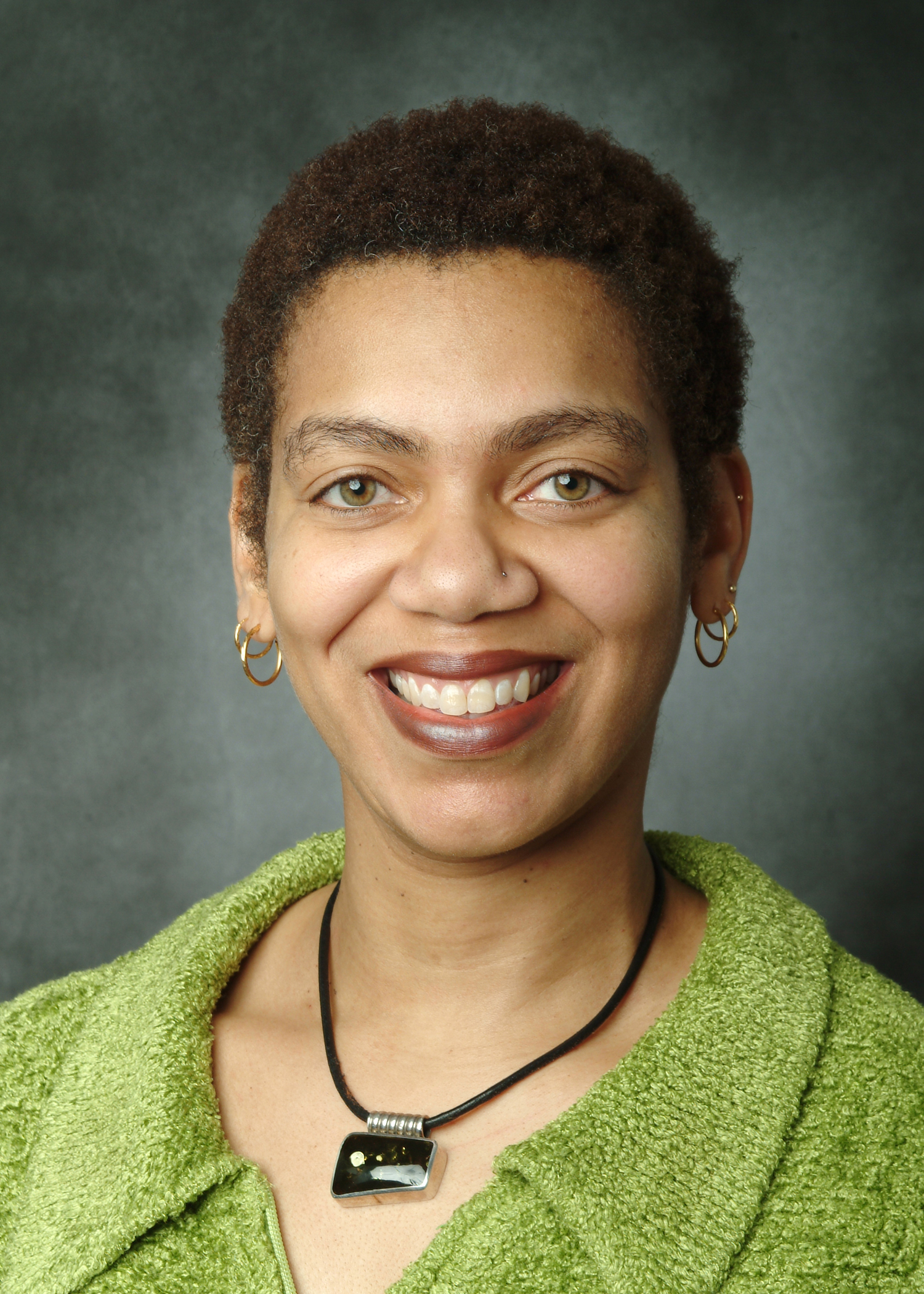
Please join us this Thursday, October 21 is our annual Fall Baltimore Heritage Lecture called “Rethinking Urban History from the Margins” by Dr. Rhonda Y. Williams, a Baltimore native and associate professor at Case Western Reserve University. Note that the location has moved from Ebenzer AME Church to Saints Stephen & James Evangelical Lutheran Church (938 S. Hanover Street, 21230).

Date:                     Thursday, October 21, 2010
Time:                     7:00 p.m. to 8:30 p.m.
Location:              Saints Stephen & James Evangelical Lutheran Church (938 S. Hanover Street, Baltimore 21230)
(This is in the historic Sharp-Leadenhall neighborhood)
Cost:                      Free!
RSVP:                    Click here to RSVP

The intersection of race and place is a central issue in the histories of Baltimore neighborhoods and is clearly present in the city’s tumultuous relationship with public housing.  Baltimore native Dr. Rhonda Williams will draw on extensive oral histories and archival research for to share the stories of the African American women as community activists who fought for “rights, respect, and representation” for their families and neighbors living in Baltimore public housing. Author of The Politics of Public Housing: Black Women’s Struggles Against Urban Inequality, Dr. Williams will challenge us to reconsider the role of public housing in Baltimore neighborhoods and its broader significance in Baltimore’s history of race and place.

This event series is supported by the Maryland Humanities Council and Free Fall Baltimore. Find out more information about the over 300 events in Free Fall Baltimore 2010 here or learn more about the many other events of the 2010 Baltimore Architecture Month sponsored by AIABaltimore between September 9 and October 25.

This talk is part of our October Race and Place in Baltimore series.  Thank you to all who are participating!