Category: Tours

Behind the Scenes Tour: 1st Mariner Arena – January 18

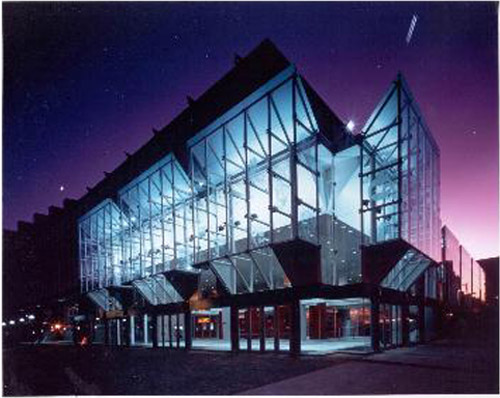
A heritage tour of the 1st Mariner Arena? Yes! Built in 1962, the 1st Mariner Arena is celebrating its 50th year and has a marvelous history. Please join us as we wander backstage and peek into the building’s nooks and crannies with arena manager Frank Remesch to see where the Beatles played, Martin Luther King orated, and Elvis threw up.

Tour Information

1st Mariner Arena | 201 West Baltimore Street, 21201 (specific directions for where to enter and where to park will be forthcoming)
Wednesday, January 18, 2012 | 6:00 to 7:00 p.m.
$10 for Baltimore Heritage Members | $20 for non members (please join today!)

RSVP for the tour today!

In 1961, the cornerstone of the Baltimore Civic Center (as it was then called) was laid, enclosing a time capsule with notes from President John F. Kennedy, Maryland Governor Millard Tawes, and Baltimore Mayor Harold Grady. Located on the site of the former Old Congress Hall where the Continental Congress met in 1776, the arena opened a year later to great acclaim as part of a concerted effort to revitalize downtown Baltimore. Through ups and downs and a number of renovations, the arena has become woven into the fabric of the city. In its early years, Baltimore’s professional hockey team (the Baltimore Clippers) played here, as did the Baltimore Bullets, the city’s former basketball team. In 1966, Dr. Martin Luther King delivered a speech called “Race and the Church” at the arena as part of a gathering of Methodist clergy, and in 1989 the arena hosted the U.S. National Figure Skating Championships. And then there are the concerts. On Sunday, September 13, 1964 the Beatles played back-to-back shows at the arena to throbbing young Baltimoreans, and the arena is reportedly one of the only indoor venues in the U.S. still standing where the Fab Four played. In the 1970s, Led Zeppelin played the arena and shot a few scenes for their movie “The Song Remains the Same” backstage. Also in the 1970s, the Grateful Dead performed many shows here, including a performance where they played the song “The Other One” for a reportedly record forty minutes.

Finally in 1977, Elvis Presley performed at the arena just weeks before he died. The tickets for the show sold out in 2 ½ hours, and although there were no untoward incidents reported while The King was onstage, he did apparently lose his lunch in a corridor in the back. Please join us and First Mariner Arena manager Frank Remesch on a tour of the building, onstage and backstage, to see the inner workings of a 14,000 seat arena and hear some of the stories that it has collected over its half a century in Baltimore. Please also join us after the tour for a drink at Alewife, a bar/restaurant just a block and a half away, to share your stories of the arena.

Baltimore Heritage’s Weatherproof Art Auction

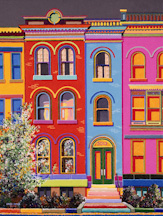
"Charles Village" by Greg Otto

Baltimore Heritage can help you check off a few names from your holiday gift list. From now until the evening of Sunday, December 11th we are holding an Art Auction on eBay Giving Works.

With thanks to everybody who came out for our 2011 Preservation Awards Celebration on June 10, and who stuck it out through the deluge that evening (I am convinced we set a record for wettest non-profit event in Baltimore), we have a number of great art items for auction from the event which remained dry but unsold. The event, which we have retrospectively dubbed the “Monsoon in June,” gave everyone a great opportunity to meet people as we huddled under a tent, but it didn’t give our donated art pieces the proper attention that they deserved.

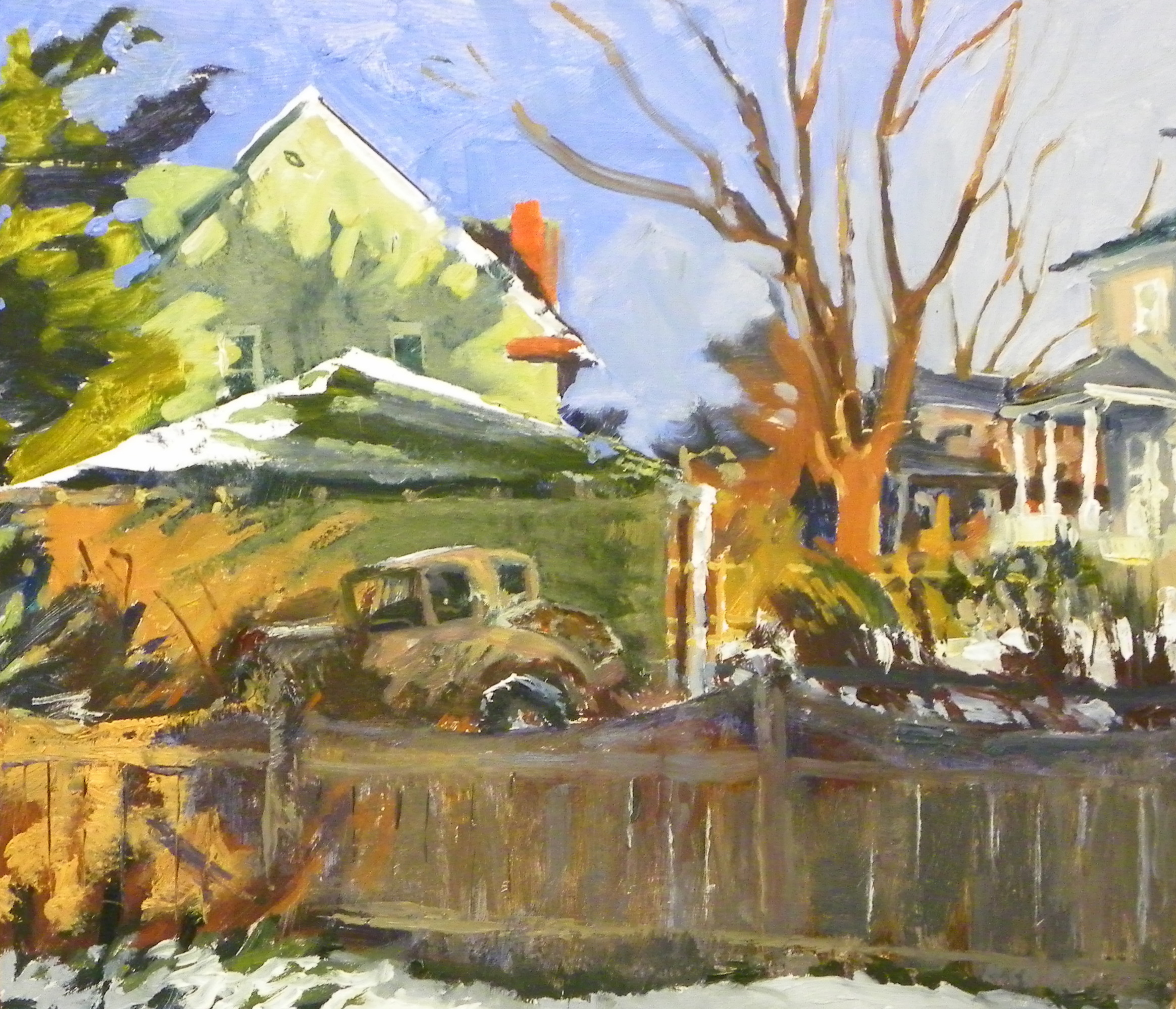
"Backyard in Hamilton" by Henry Coe

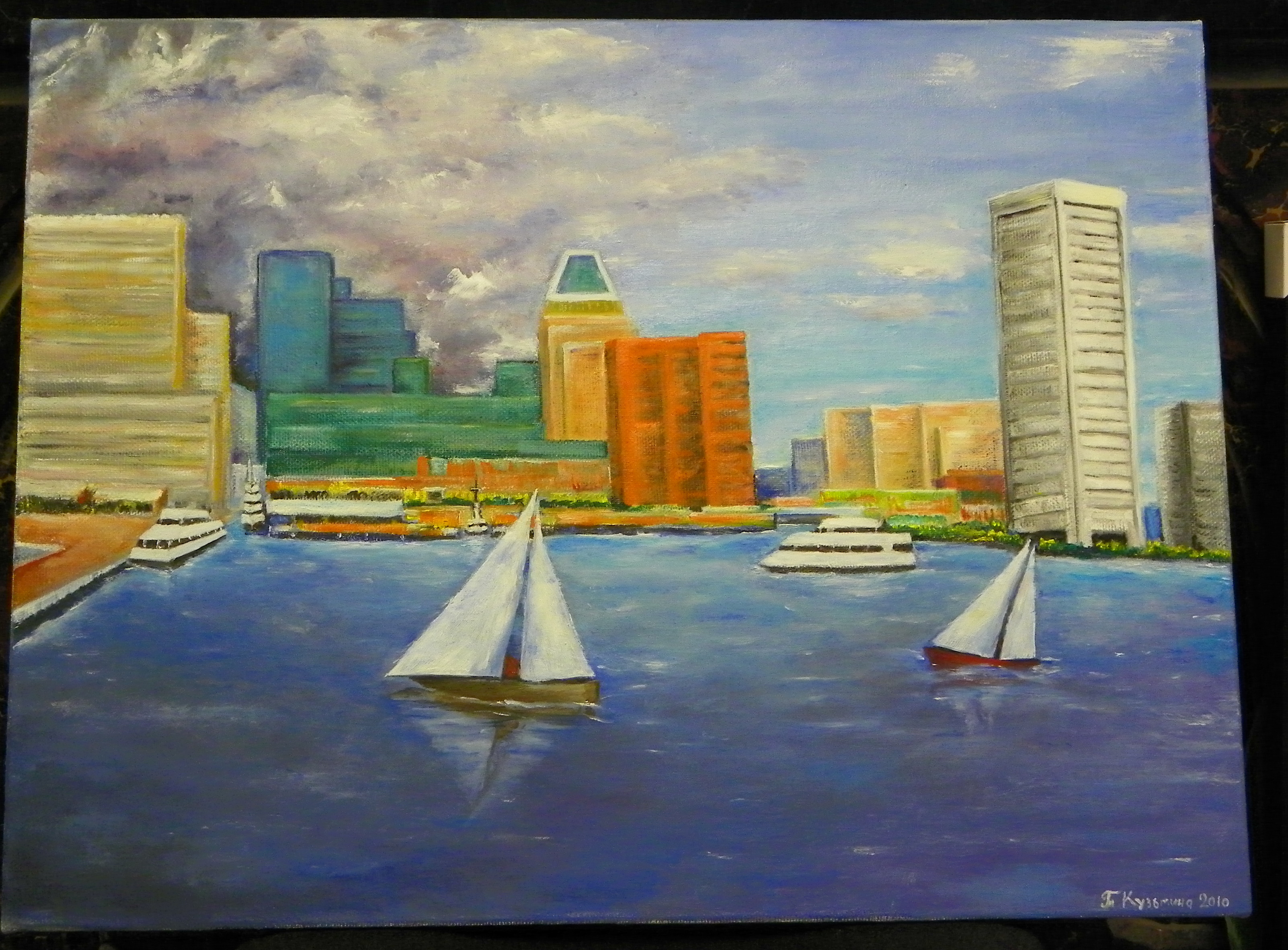
Here is a chance for gala attendees and the public to have a second opportunity to view and bid on the art from the comfort of their dry and climate controlled desk chairs. If you weren’t able to attend the gala, you now have an opportunity to see and bid on these wonderful works of art. What better gift for your favorite Baltimorean than an art piece depicting the city we all know and love.

"Baltimore before the Storm" by Tatiana Kuzmina

Behind the Scenes Tour: The French Connection, December 10

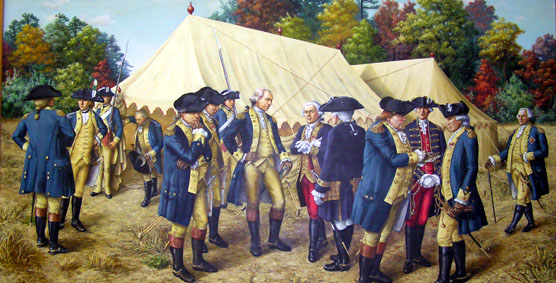
In 1781, French and U.S. troops under Rochambeau and Washington trekked 650 miles from Newport, Rhode Island to Yorktown, Virginia for what became the final major conflict of the Revolutionary War.  A new National Heritage trail, the Washington-Rochambeau-Revolutionary-Route (or W3R for short), is in the making to commemorate this historic event.  Please join us and our partner, the Fell’s Point Preservation Society, for a talk by Dr. Robert Selig, trail consultant for the National Park Service, on the trail and its history, including the contributions of Baltimore and Maryland.

Tour Information

December 10, 3:30 pm to 4:30 pm
Fell’s Point Visitor’s Center, 1724 Thames Street, 21231
$10 per person
RSVP for the tour today!

In 1781, General Jean-Baptiste de Rochambeau, America’s great ally in the Revolutionary War, embarked with his contingent of French troops from Newport to confront the British at Yorktown.  General Washington and U.S. forces joined him at White Plains, New York.  When they arrived in Maryland, troops from Baltimore and elsewhere boarded boats to sail down the Chesapeake Bay and rendezvous at Yorktown.  The American victory at Yorktown was decisive:  it resulted in a surrender by British General Cornwallis and forced the British to negotiate peace.  To commemorate the historic march and battle, Congress recently designated the new W3R National Historic Trail to tell the story of the Allied forces in the Revolutionary War, their journey to Yorktown, and what they learned about the colonies they passed through.  Maryland, in particular, played a critically important role and has many sites and stories associated with this journey.  Please join us for a talk by Dr. Robert Selig, the National Park Service’s consultant on the trail, to learn about new information gleaned from French, German and American sources both here and abroad.  Please linger a little after the talk for a tour of the Robert Long House, Baltimore’s oldest residence (ca. 1765) and currently home to the Preservation Society, and in the spirit of the season and Baltimore hospitality, share a glass of eggnog made from an 18th century recipe.  We also invite you to stay in Fell’s Point for dinner, with a 10% discount at the seafood restaurant John Steven around the corner.

Behind the Scenes Tour of Durward Center’s “Clock House”

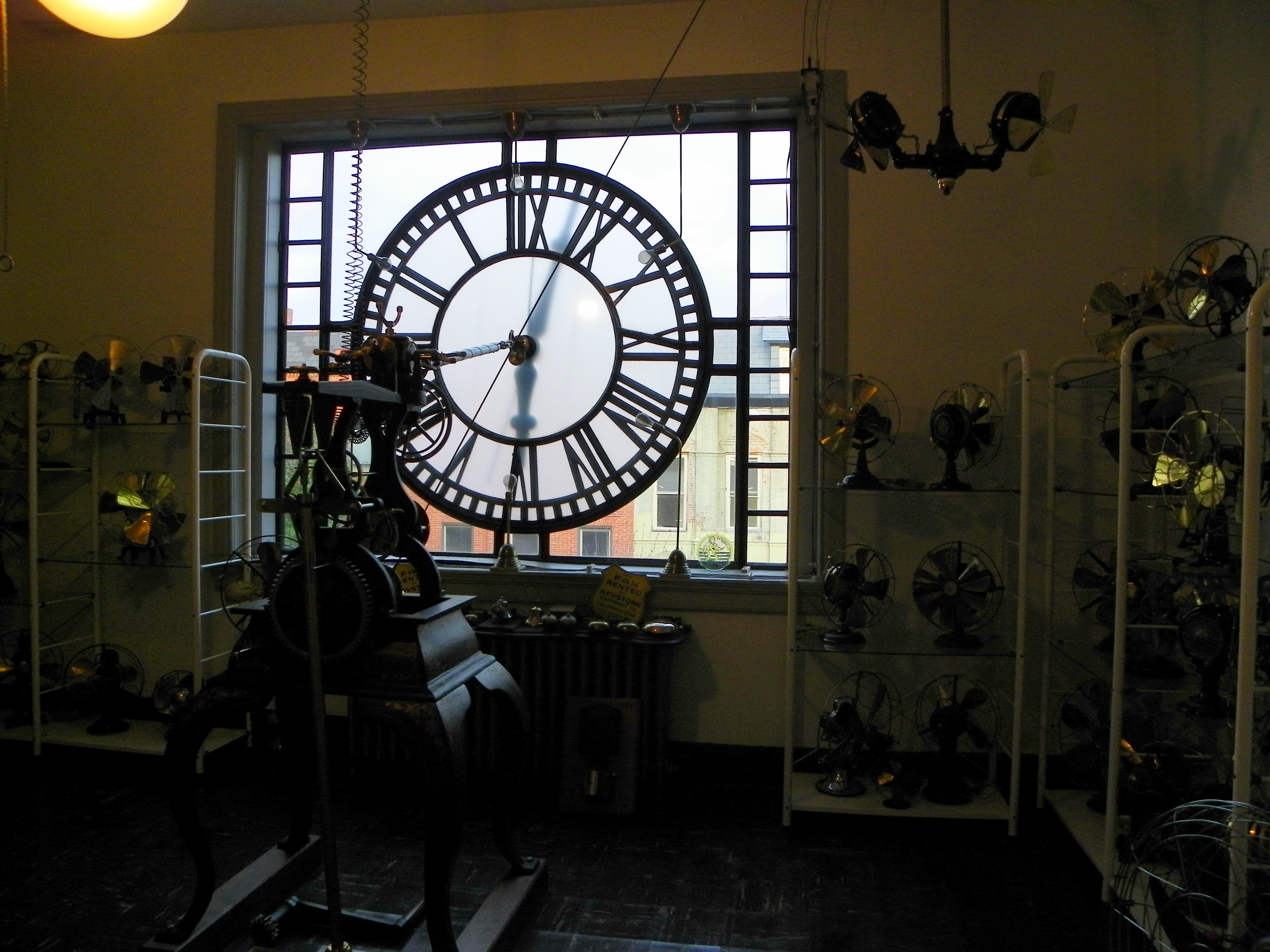
Back by popular demand, we are again offering a tour of one of Baltimore’s most special places: Mr. Durward Center’s “Clock House.” With a lifetime of training and devotion, Mr. Center has blended the best of a Victorian Baltimore rowhouse with ticking, whirring monuments to historical clocks and mechanical musical machines. He even has a clock on the front that is shaped like a dragon holding a bell in its mouth, which strikes the hours with its tail. If you missed this tour in 2009, please join us this time and be prepared to be charmed.

Tour Information

December 7 or December 8 (choose one only please)
5:30 to 6:00 pm wine and cheese reception, 6:00 to 7:00 p.m. tour
2100 St. Paul Street, 21218
$15 for Baltimore Heritage Members and $25 for non members (please join today!)
We are holding two identical tours on separate dates in order to accommodate as many people as possible.  Please choose only one date. The tours are the same. Each tour is limited to 25 people.

RSVP for the tour today!

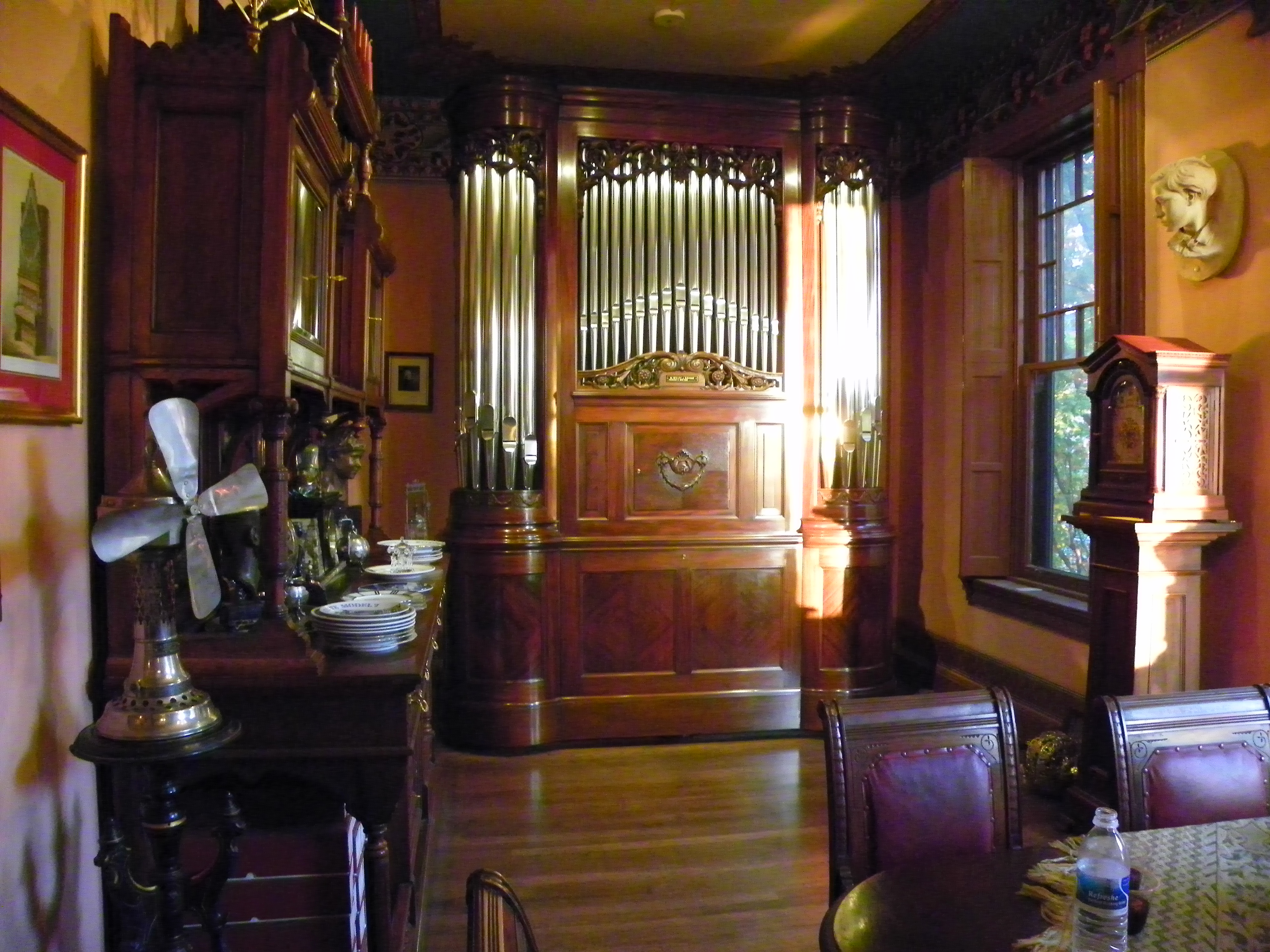
Known widely throughout Baltimore as “The Clock House,” Mr. Durward Center’s 2100 St. Paul Street Victorian home is a Mecca for lovers of early mechanical devices. By profession, Mr. Center is a restoration expert for antique tower-clocks and organs. He has worked on projects across the country, and as close to home as Penn Station in Baltimore. He is also the craftsman behind the restoration of the 1898 Welte “concert orchestration” that sat in the entrance to Oakley Court, the manor house outside of London which was made famous in Dracula movies (and perhaps infamous in The Rocky Horror Picture Show) For his St. Paul Street house, Mr. Center has installed three clock dials on the outside, including the dragon clock, and has an almost endless collection inside. A music room contains early mechanical musical devices which he has restored. One notable item is an antique organ with a custom-made wooden case by Baltimore woodwright Thomas Brown, whose shop was a stop on a previous Baltimore Behind the Scenes tour. Please join us and our host, Mr. Durward Center, as we learn (and literally hear) about the fascinating marriage between a historic Baltimore rowhouse and a world-class collection of early mechanical devices.

Behind the Scenes Tour of the Secret Paths of Roland Park & Original Home of the Odyssey & Baltimore Lab Schools

Image of Roland Park courtesy of the Urbanite.

Okay, maybe the footways in Roland Park aren’t that much of a secret, but they are somewhat hidden and are an important part of the neighborhood’s Olmsted design. Please plan to join us for our next Behind the Scenes Tour on Saturday, November 5th at 2:00 p.m. We will start with a short walking tour led by Judy Dobbs of the Friends of Maryland’s Olmsted Parks & Landscapes, who will escort us along some of the Olmsted paths through Roland Park. We will end where we begin, at the house where the Odyssey and Baltimore Lab Schools got their start, 4906 Roland Avenue, for a tour by current owner Ms. Elissa Strati.

Secret Paths of Roland Park & Odyssey/Lab School House

Saturday, November 5, 2:00 pm – 3:30 pm
$10/members, $15/non-members.
RSVP for the tour today!

We will start and end the tour at 4906 Roland Avenue. Parking is available on the street. We will go rain or shine.


The Roland Park Company developed Roland Park in the late 1800s. Incorporated into its plans was a series of 18 footpaths, designed to expedite foot traffic between sections of the neighborhood, especially those where the terrain made it difficult to build roads. Designed by the firm of Frederick Law Olmsted, Jr., the paths were part of a hierarchical system of roads in front of houses, service lanes in the rear, and footpaths that provided convenient ways to cross through the neighborhood in a natural setting. Each path is named with a distinctly country ring: Squirrel, Hilltop, Laurel, Tulip. Others are decidedly British: Audley End, Tintern, St. Margaret’s, Litchfield. In 1991, the paths were refurbished and cedar posts installed with handmade white oak replicas of the original breadboard signs to mark many of the trails.

The house at 4906 Roland Avenue that we will tour has had many lives. Originally built c. 1900 as a single-family home, it has spent much of its life as a place of learning. By 1946 it had become the Homeland Academy, followed in the 1970s by the School of Contemporary Education. In 1994, The Odyssey School opened its doors for the first time for children with language learning differences. In 2000, The Odyssey School moved to its current home in Stevensonville. The Baltimore Lab School, an off-shoot of the Washington DC Lab School, set down its first roots in this house on Roland Avenue until moving to the Old Goucher College building in Baltimore. In 2005, the house was purchased by Alfred and Elissa Strata, who had the arduous task of converting the long-time school back into a single-family home. Ms. Strata will share her tales of discovery and woe in bringing this beautiful turn-of-the-century home full circle to its original purpose.