Category: Education

Our education programs include technical assistance to property owners, heritage education around the Civil War Sequicentennial and the Bi-Centennial of the War of 1812, and our ongoing Race and Place in Baltimore Neighborhoods project.

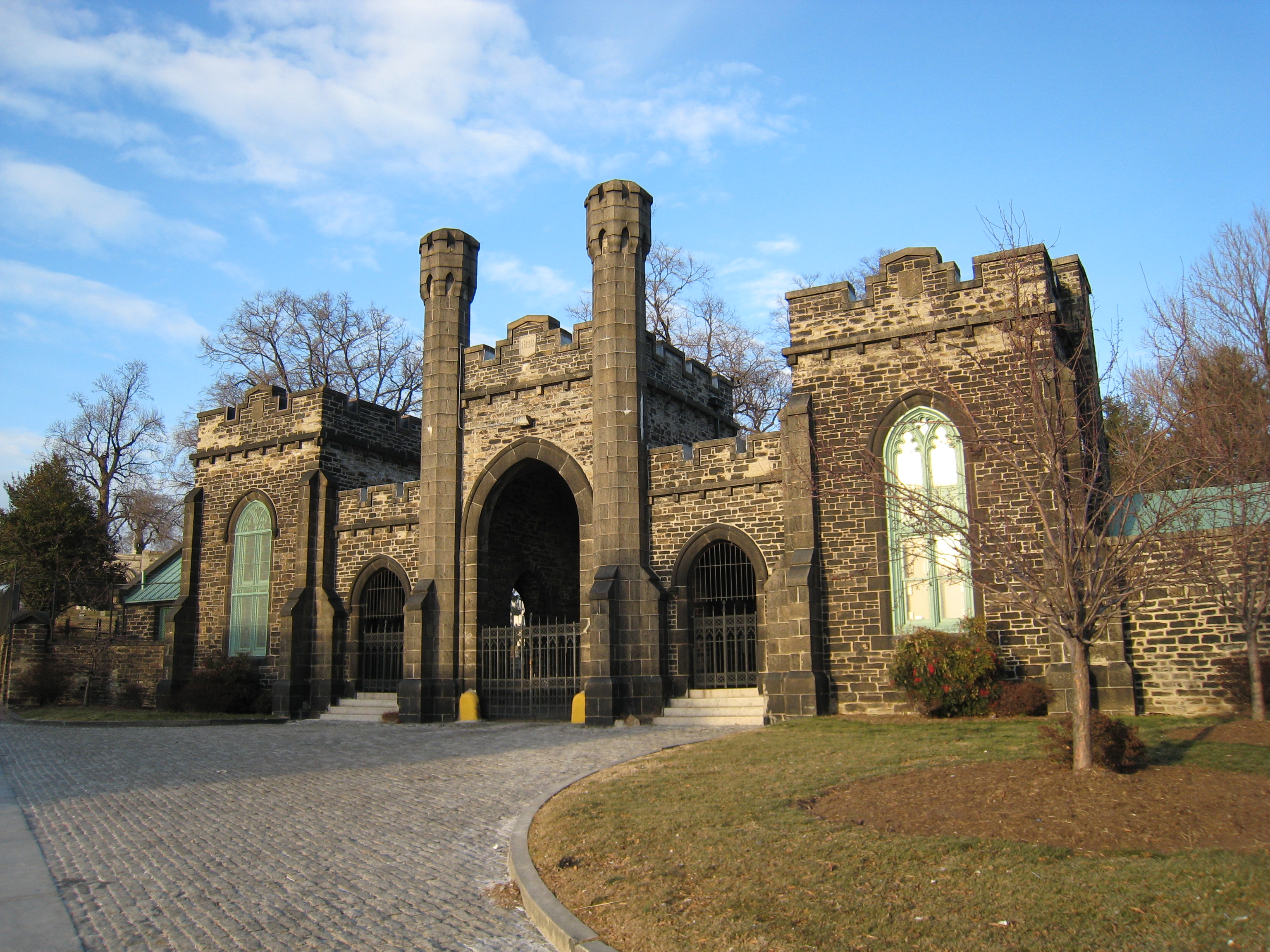
Baltimore Building of the Week: Cemetery Gates

This week is a bit darker than usual with a set of three historic cemetery gates in Baltimore, including the Westminster Burying Ground, Greenmount Cemetery, and the Baltimore Cemetery on North Avenue.

Greenmount Cemetery, courtesy Jack Breihan

Baltimore’s explosive growth in the late 18th and early 19th century soon created a demand for burial sites. The Presbyterian burial ground on West Fayette Street was established in 1786 and is the final resting place of many eminent early Baltimoreans, including Edgar Allen Poe. The Egyptian-style gate was probably added during the eclectic period in American architecture in the 1840s. Later, still larger cemeteries turned to the Gothic Revival style. Robert Cary Long, Jr., designed the elaborate gatehouse for Green Mount Cemetery in the mid 1840s; the less well known gatehouse for Baltimore Cemetery seems to be from about the same era. It stands at the eastern end of North Avenue.

Read more

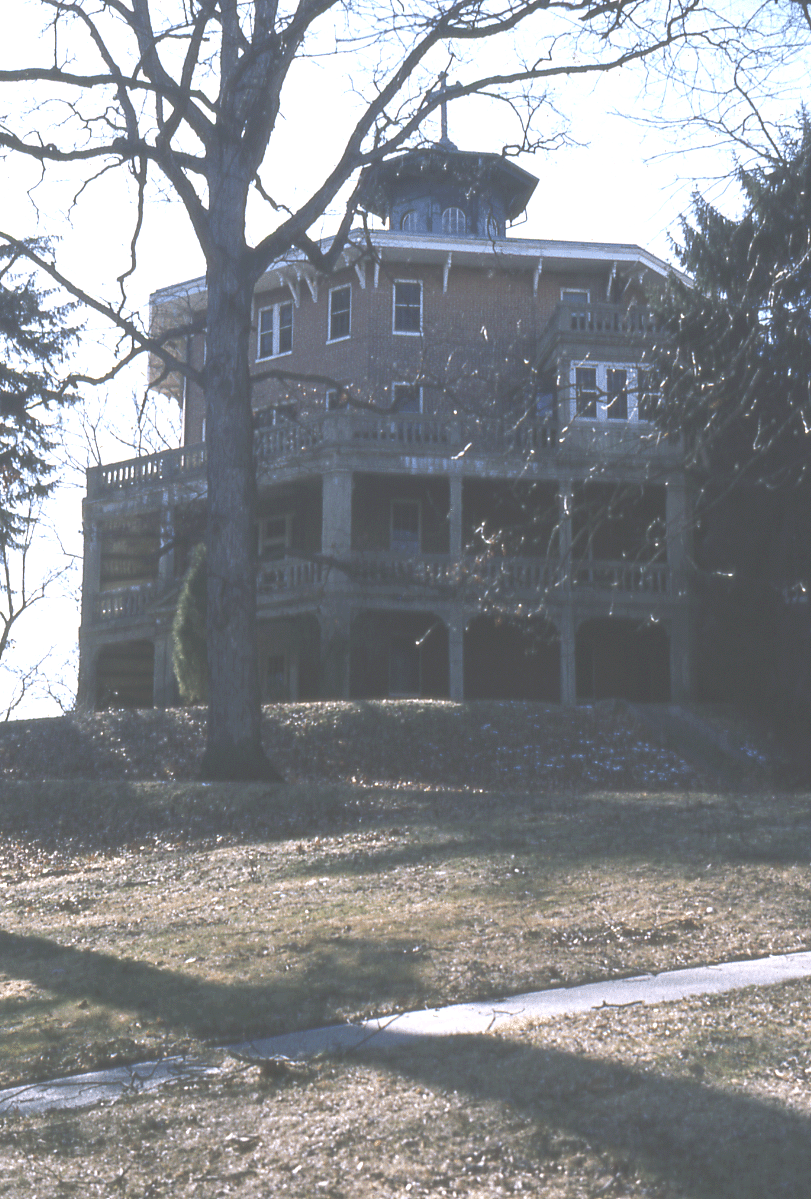
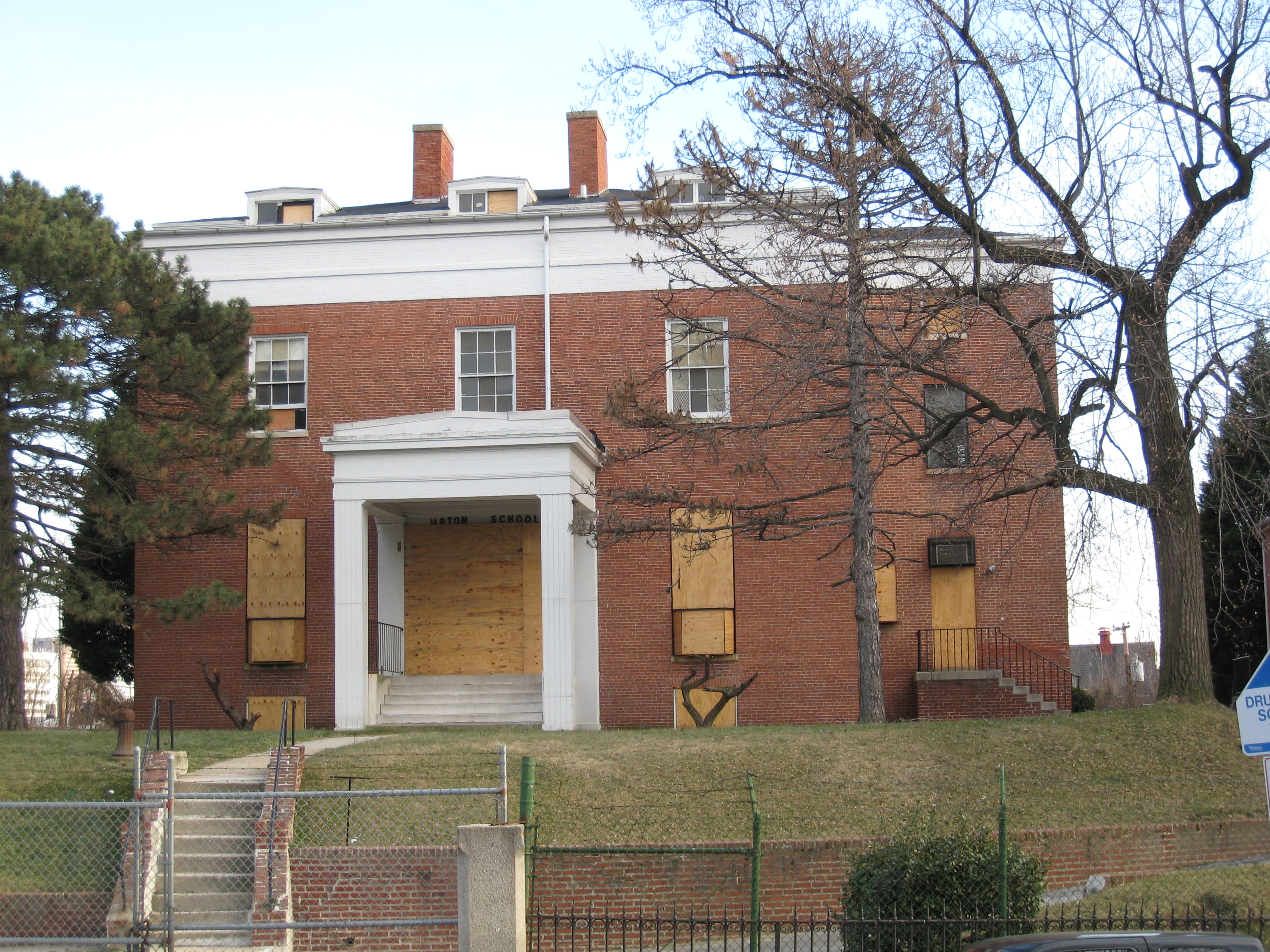
Baltimore Building of the Week: Upton Mansion

The two Greek Revival mansions featured in this Baltimore Building of the Week feature both have rich histories. Upton was home to the WCAO radio station from 1929 through 1947 and then served as the Baltimore Institute of Musical Arts, an accredited music school open to African American students, through 1955. However, while the Dumbarton House is now occupied by the Baltimore Actors’ Theatre, Upton remains on the Baltimore Heritage Watchlist threatened by vacancy and neglect.

Upton, courtesy Jack Breihan

The environs of Baltimore also boast Greek Revival country houses. Dunbarton, just over the county line in Rodgers Forge, is a grand example. Upton is a particularly fine medium-sized Greek Revival mansion which has given its name to the Baltimore neighborhood that grew up around it (Upton). Long used by the City school administration, Upton is now vacant and in constant threat of “demolition by neglect.”

Baltimore Building of the Week: Family and Children’s Services

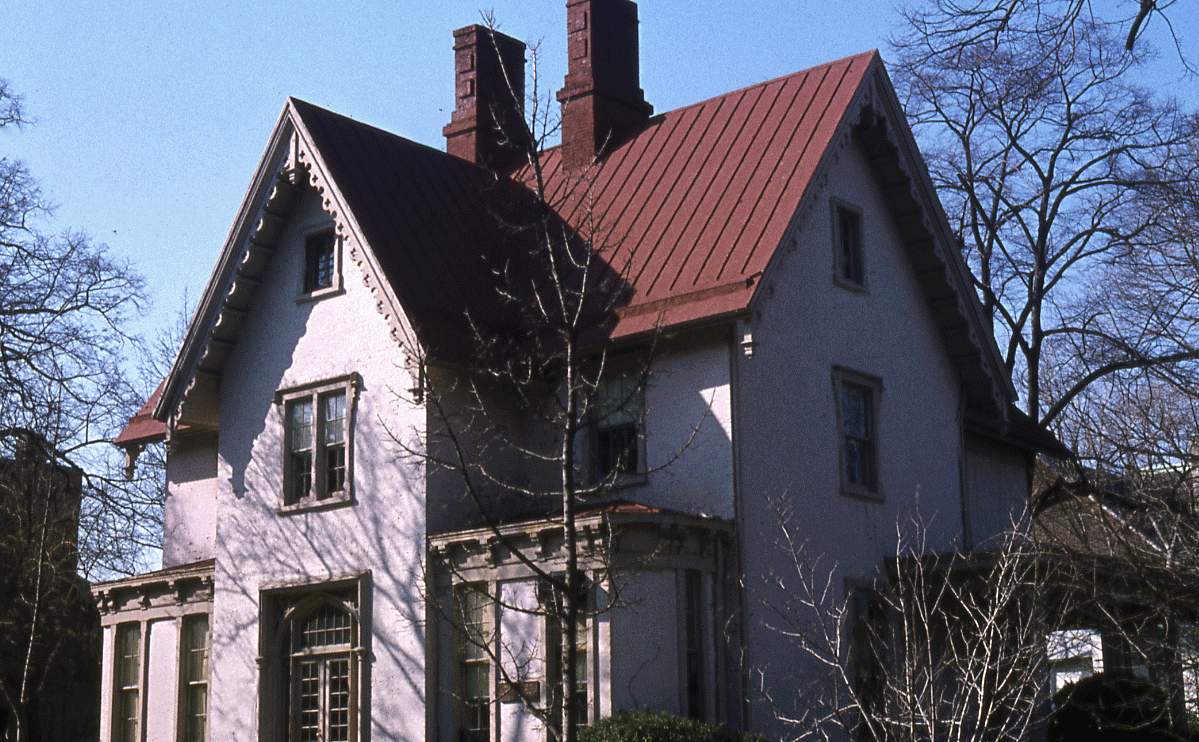
This week’s Baltimore Building of the Week from Dr. John Breihan is a Gothic cottage used by Family and Children’s Services of Central Maryland.

Image courtesy Jack Breihan

The early Gothic Revival style did not lend itself to rowhouse design, but steep-gabled cottages, sometimes with bargeboarding or “gingerbread” moldings often appear along older road and turnpike routes out of Baltimore. A particularly pretty example, on Lanvale Street in Bolton Hill, has long been used and maintained by the Family and Children’s Services of Central Maryland. Originally designed by Robert Cary Long, Jr., in 1848, it also features bay windows added by Edmund G. Lind in 1862 and a side porch by Lawrence Hall Fowler in 1915.

Baltimore Building of the Week: Greek Revival Rowhouses

This week in the Baltimore Building of the Week series from Dr. John Breihan features the Irish Shrine and Railroad Workers Museum on Lemmon Street and the Babe Ruth Birthplace on Emory Street.

Lemmon Street, courtesy Jack Breihan

The popularity of the Greek Revival in Baltimore was not limited to churches and schools; it also produced a new design for the city’s ubiquitous rowhouses. Greek Revival rowhouses dispensed with the dormer window of the older federal style. Instead, the top half-story was lit by a square “attic” window beneath a less steeply gabled roof. From grand examples in Mount Vernon to humble 2 ½ story houses in Fells Point and Federal Hill, Greek Revival rowhouses dominated from 1830 or so until 1860. Two examples saved from demolition and open to view are the Irish Shrine and Railroad Workers Museum on Lemmon Street and the Babe Ruth Birthplace on Emory Street.

Babe Ruth Birthplace, courtesy Jack Breihan

Baltimore Building of the Week: Gothic Revival Churches

This week’s Baltimore Building of the Week from Dr. John Breihan are two Gothic Revival churches from architect Robert Cary Long, Jr.– the St. Alphonsus Catholic Church and New Unity Church Ministries, historically known as as the Franklin Street Presbyterian Church.

St.Alphonsus/Image courtesy Jack Breihan

At the same time as he was designing Greek Revival temples for immigrant Catholic and Jewish worshipers, the eclectic architect Robert Cary Long, Jr., also worked in the Gothic Revival. At St. Alphonsus Catholic Church (1845) and the Franklin Street Presbyterian Church (1847 – now New Unity Church Ministries), Long’s Gothic designs were more assured than Godefroy’s seminary chapel four decades earlier. St. Alphonsus, intended for Baltimore’s German Catholics, was based on medieval German hall churches; Franklin Street Presbyterian on Tudor-era architecture in England. In both cases, the church walls were originally coated in gray stucco intended to look like stone. Removing the stucco reveals pleasing pastel bricks, but also exposes them to deterioration that may threaten the long-term integrity of these fine churches.

Read more