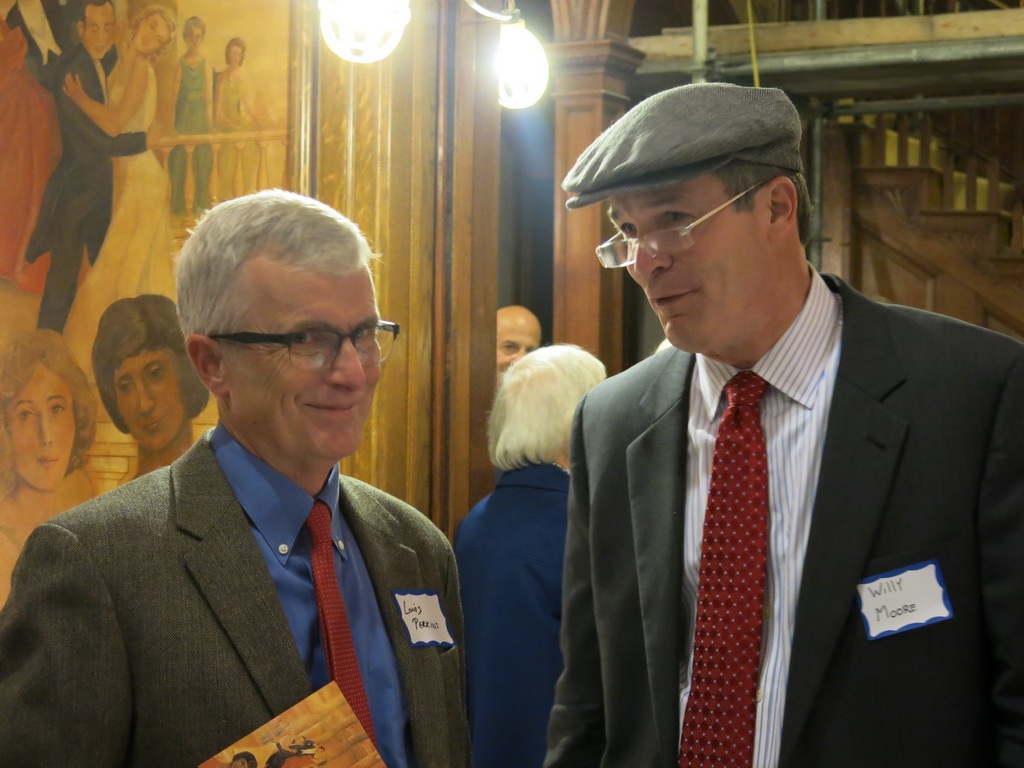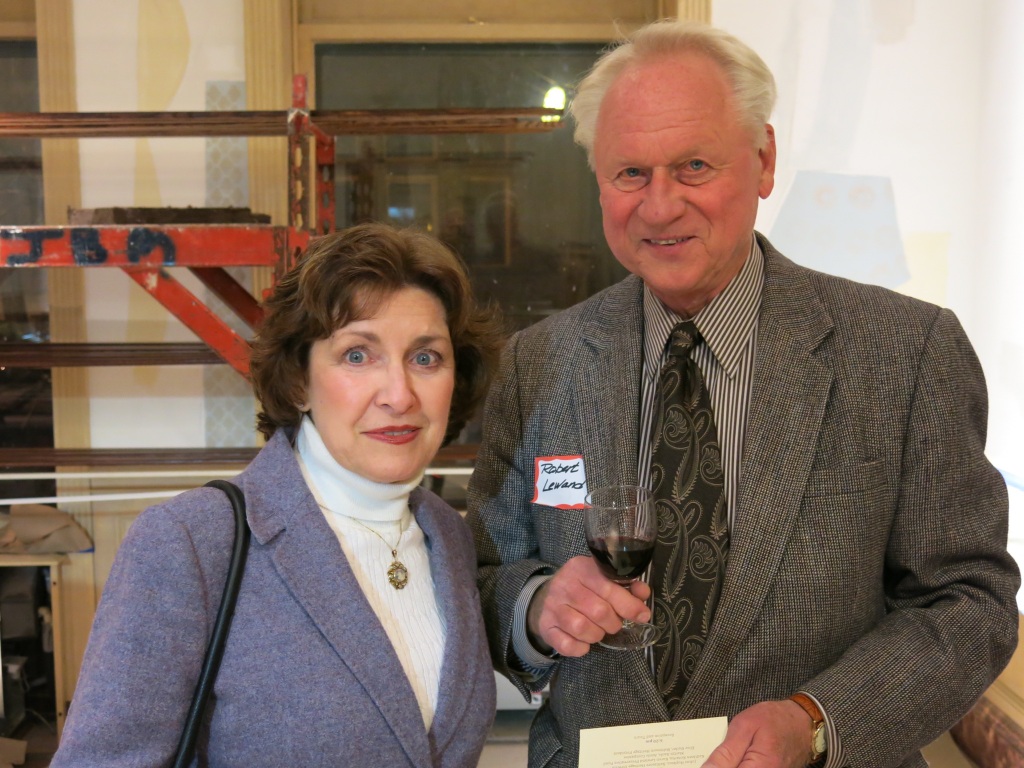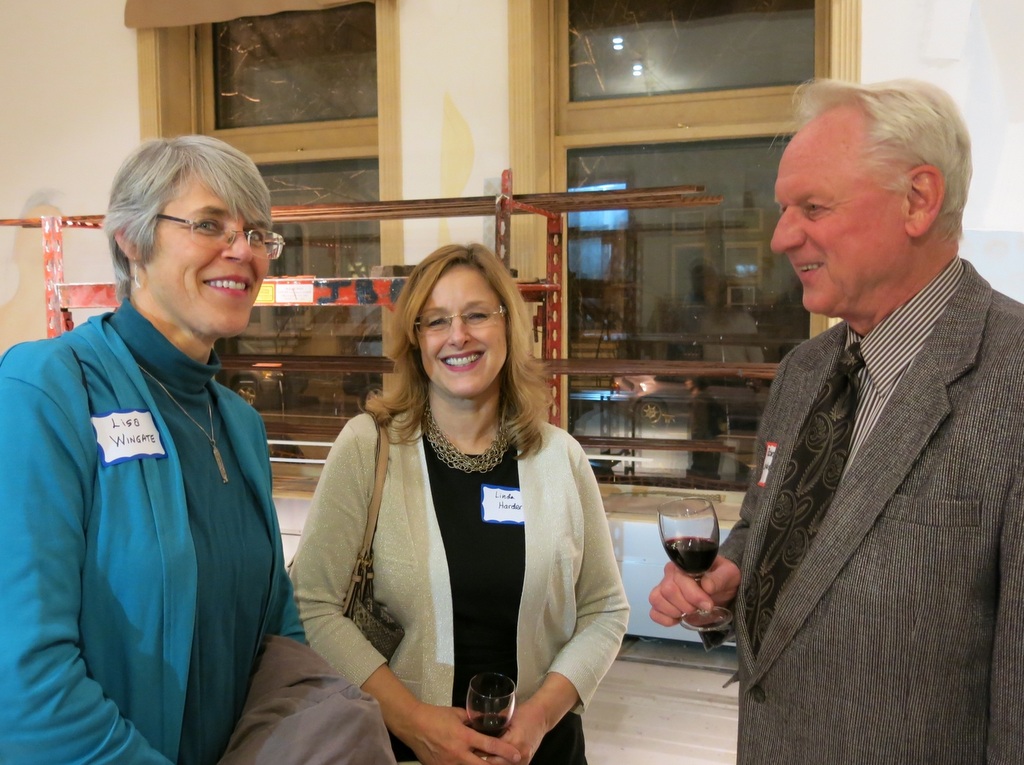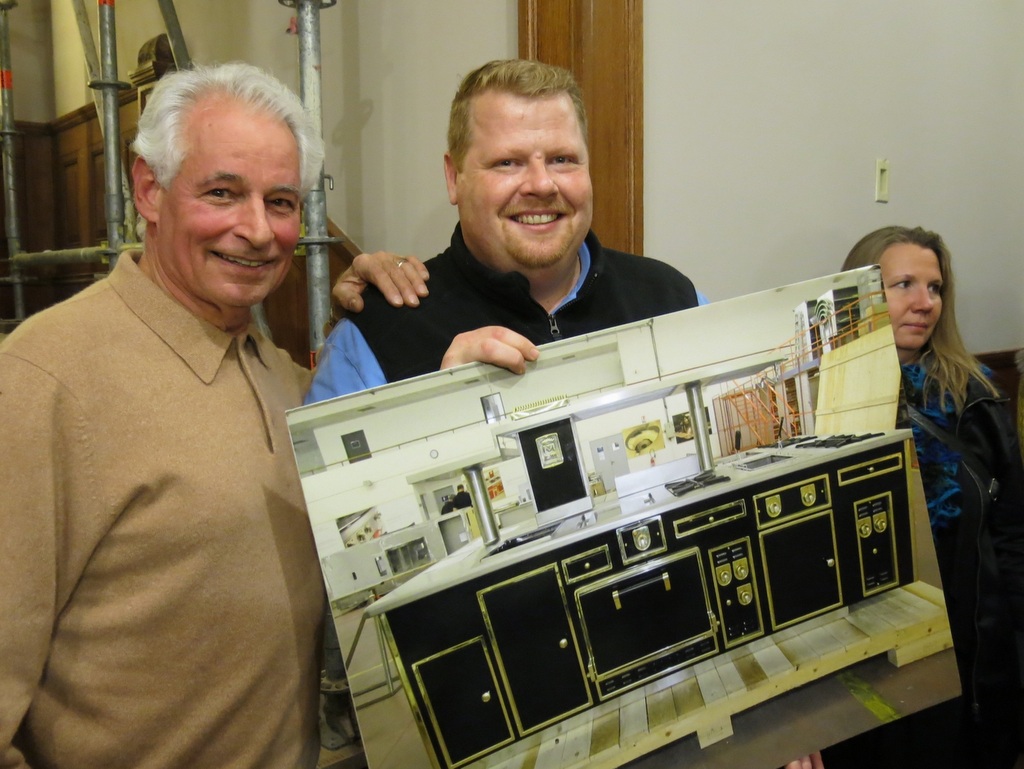
Thank you for a memorable evening at the Ivy Hotel!

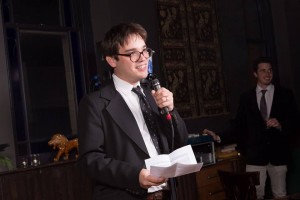
Thank you to Lesley Humphreys, Baltimore Heritage board member and chair of the Education Committee for sharing her reflections on our celebration of the Karen Lewand Preservation Education Fund last week. Thank you as well to Jeffery Kremen for sharing his photographs from the evening.

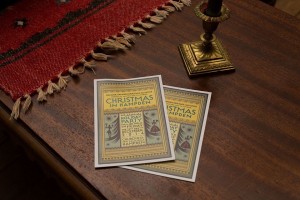
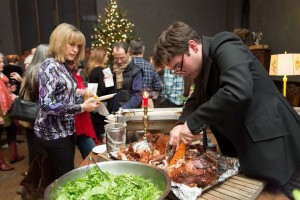
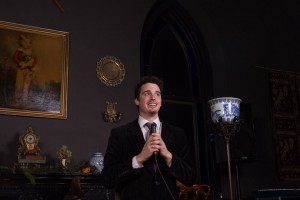
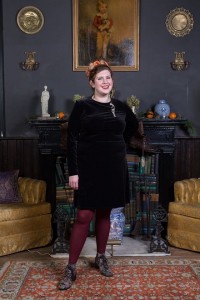
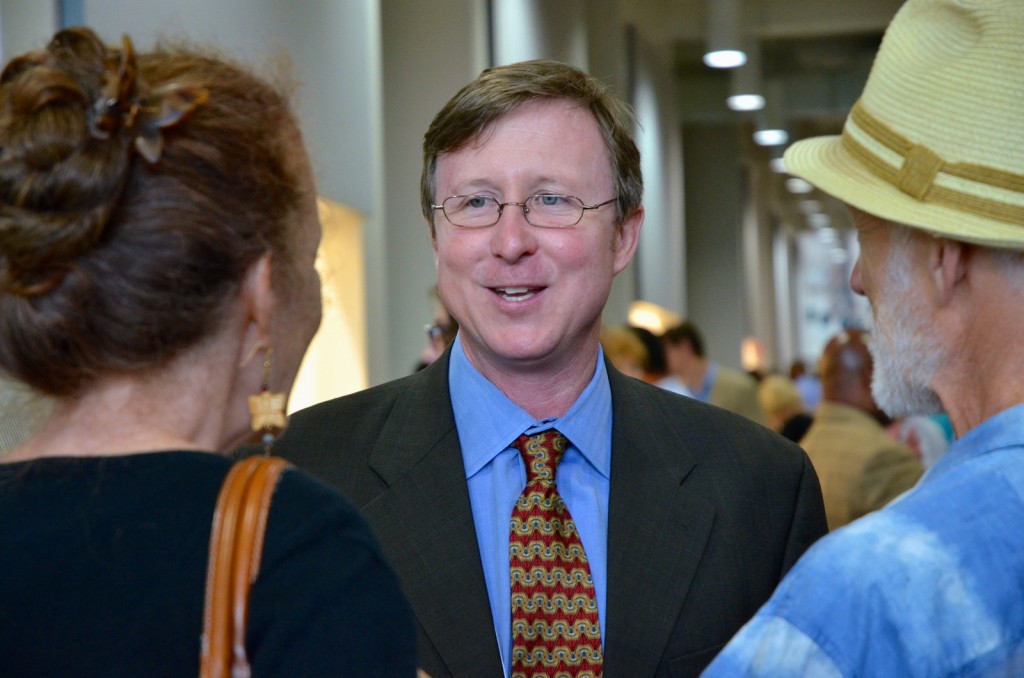
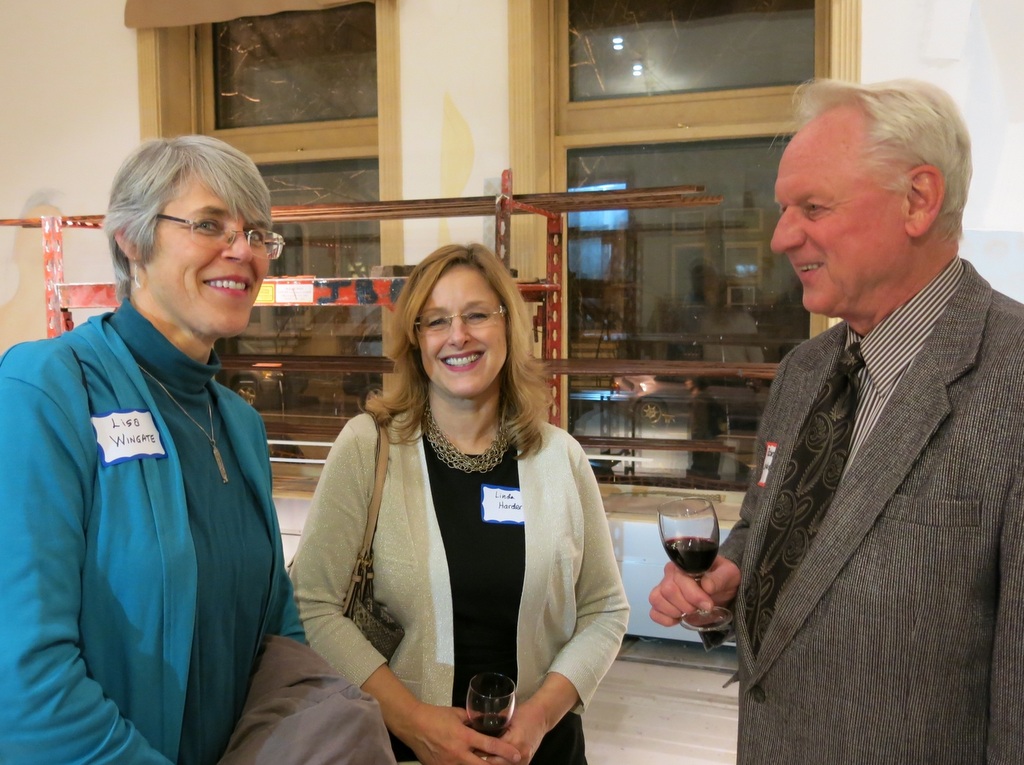
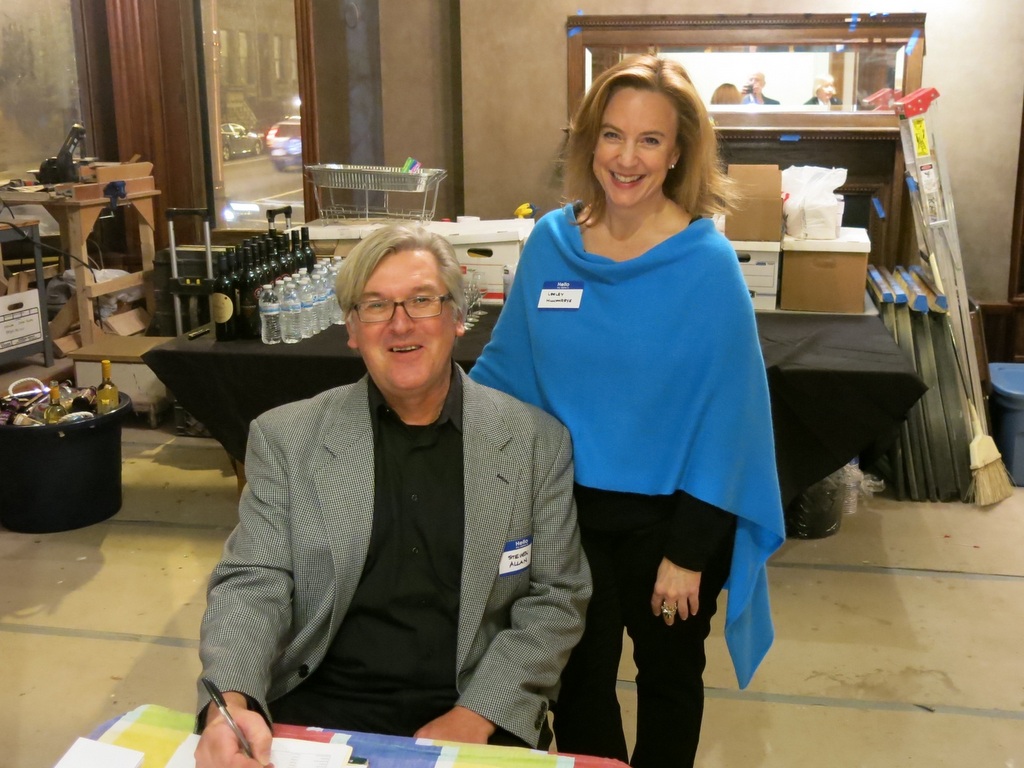
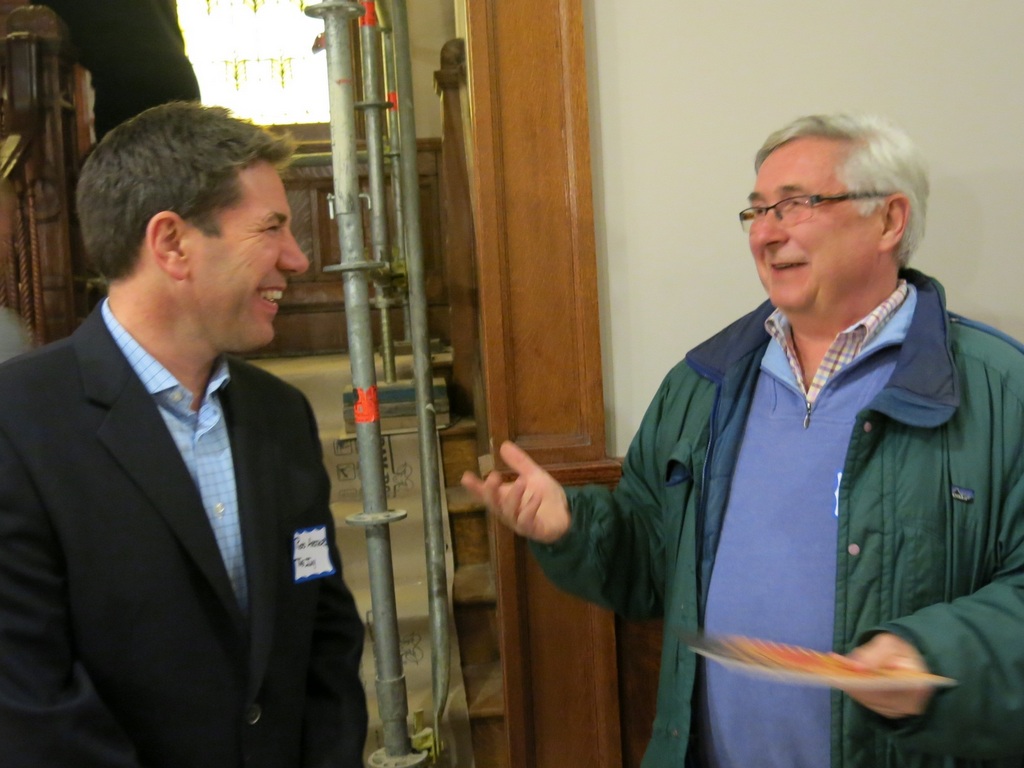
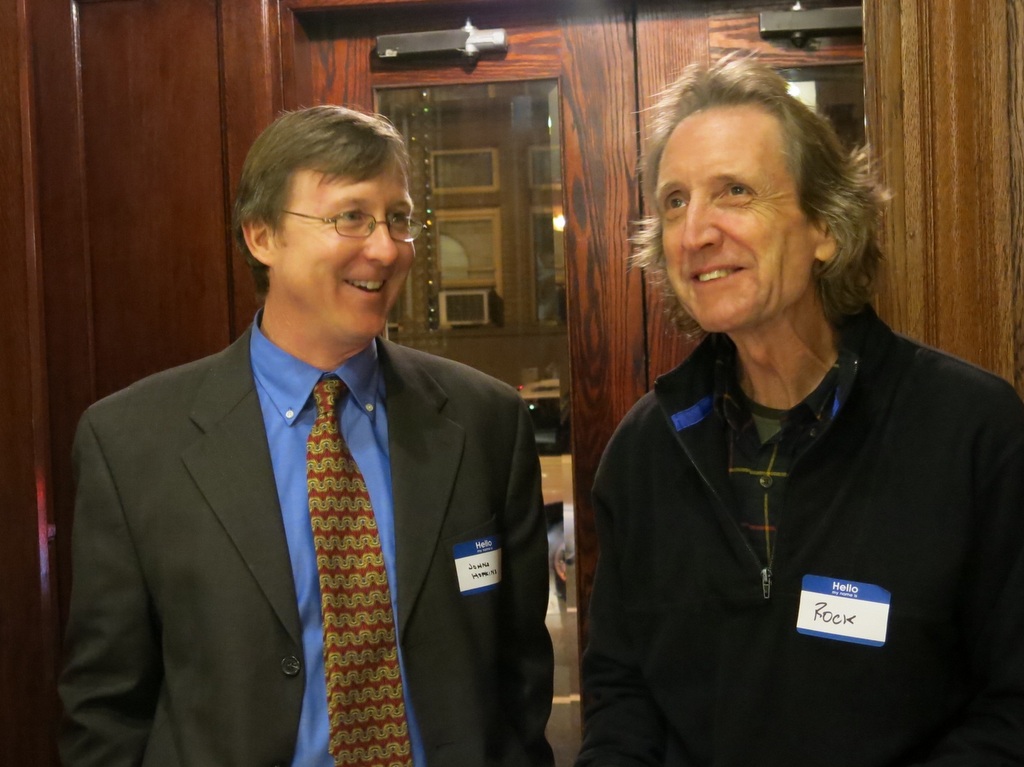
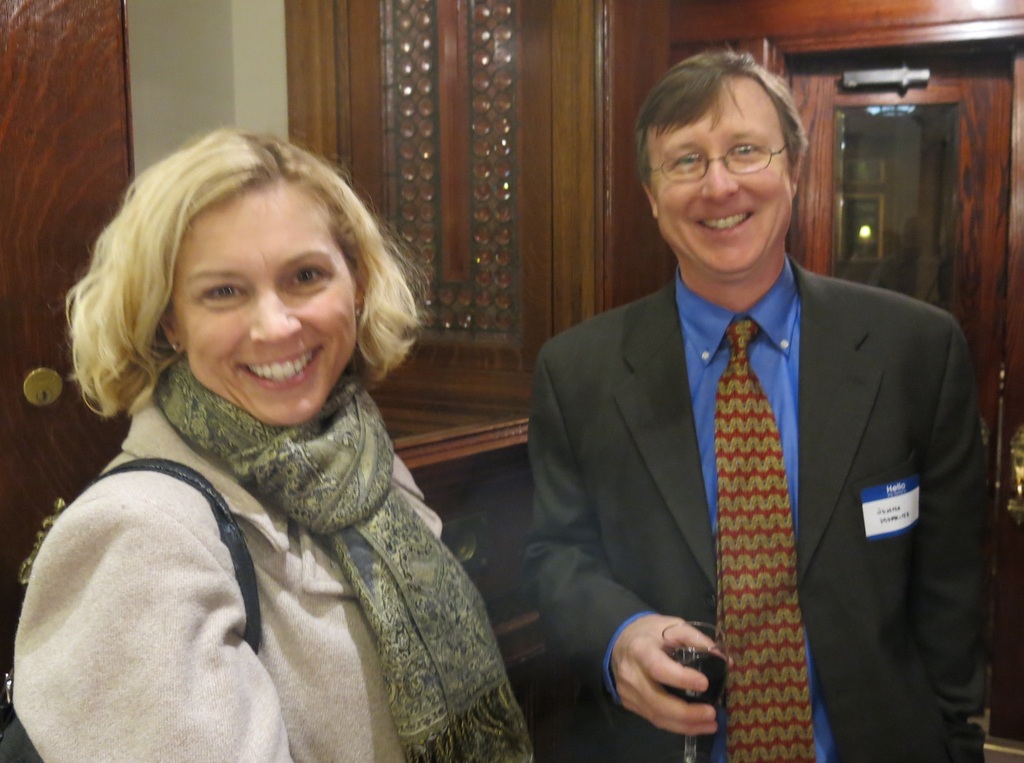
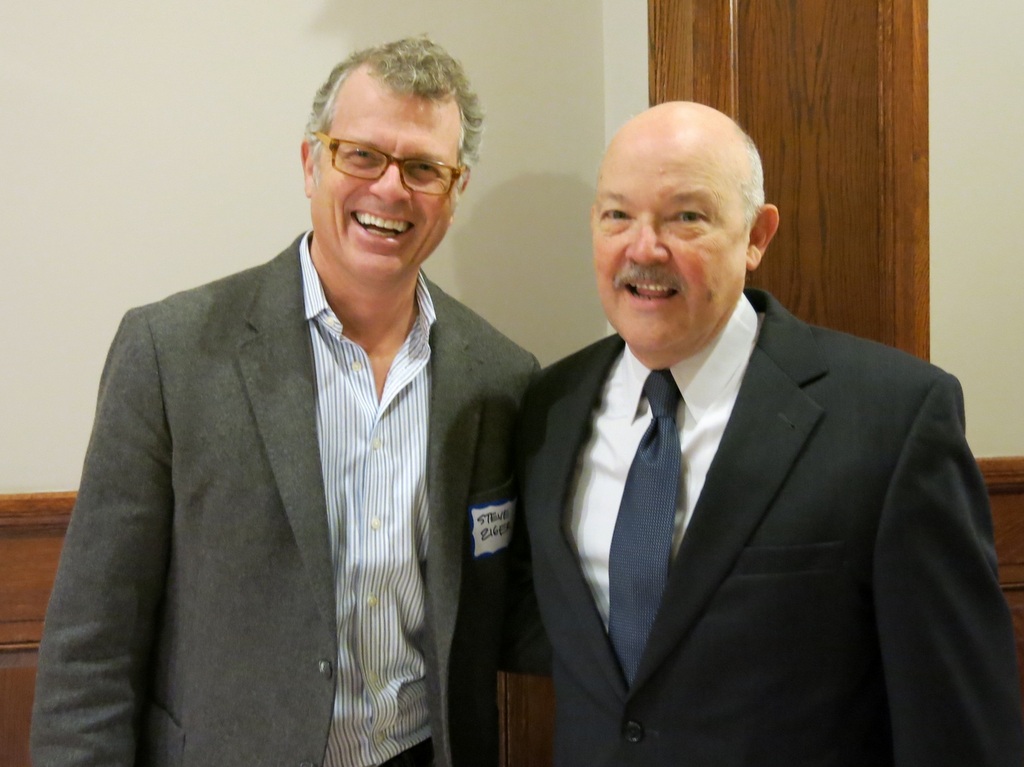
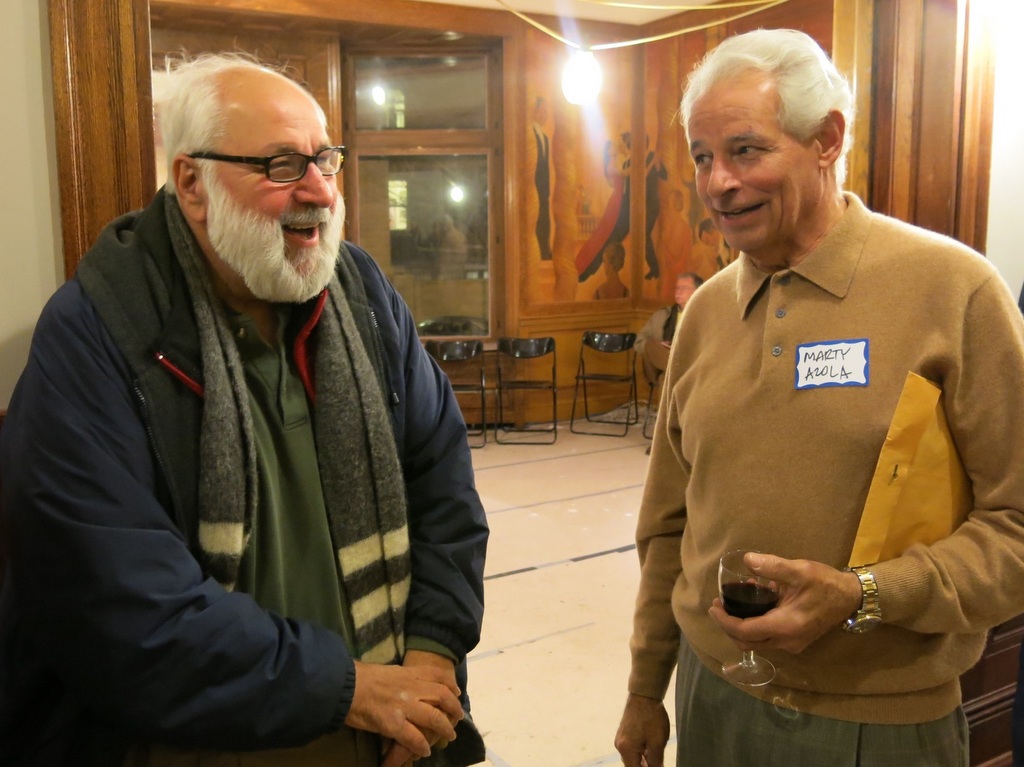
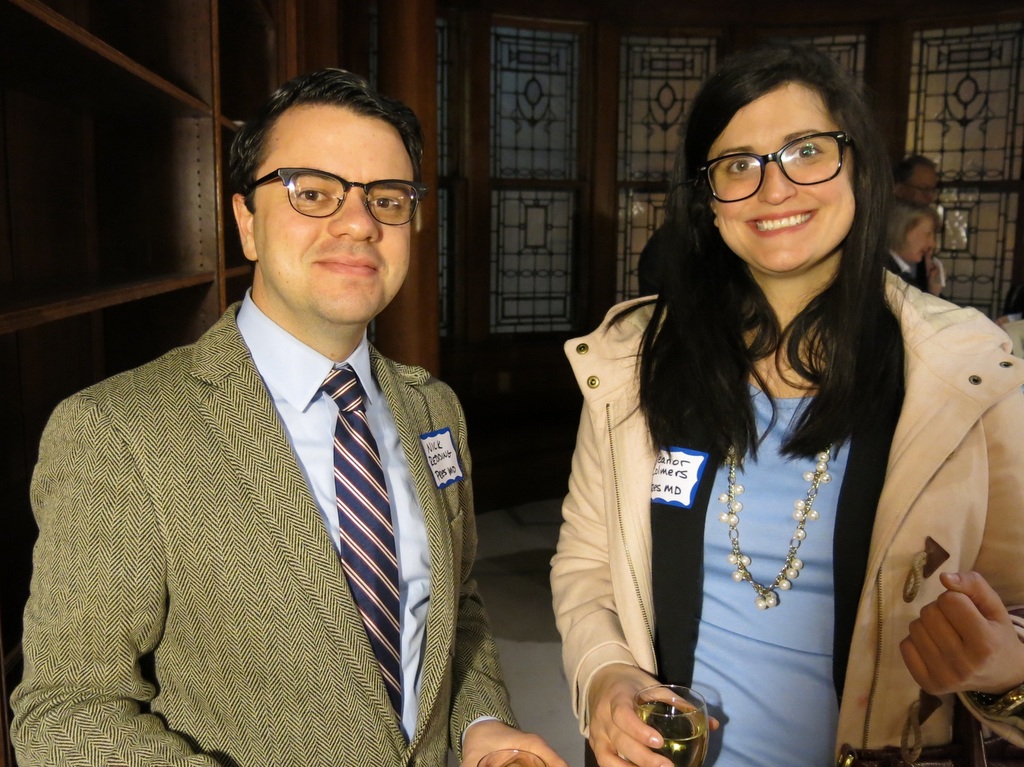
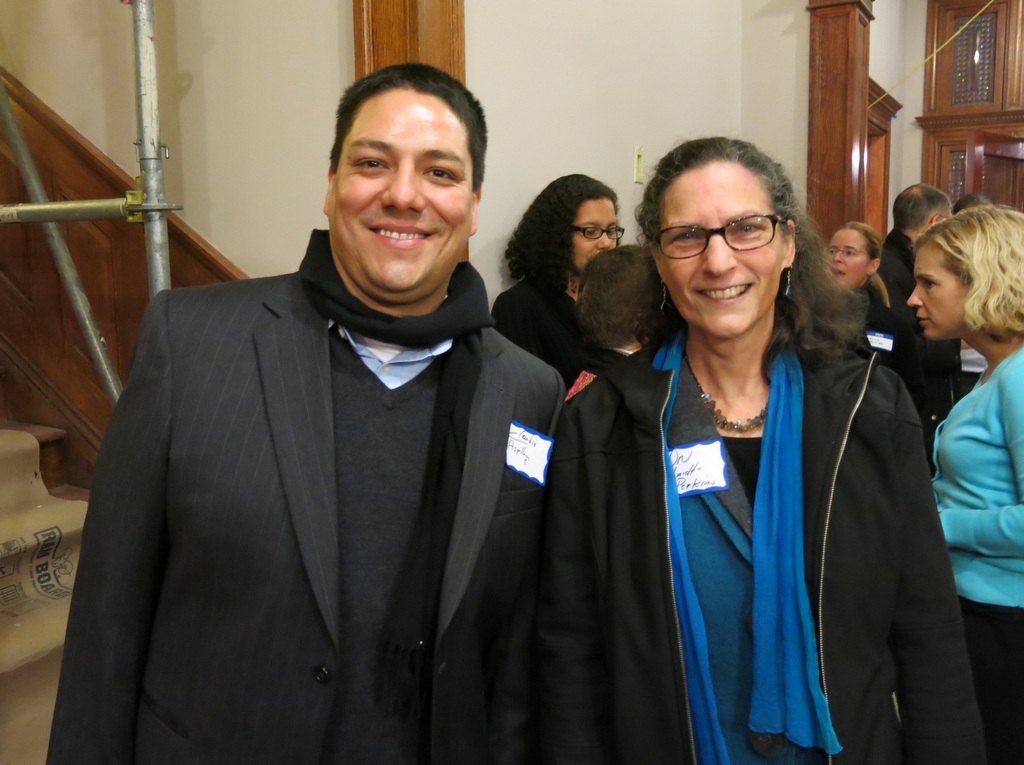
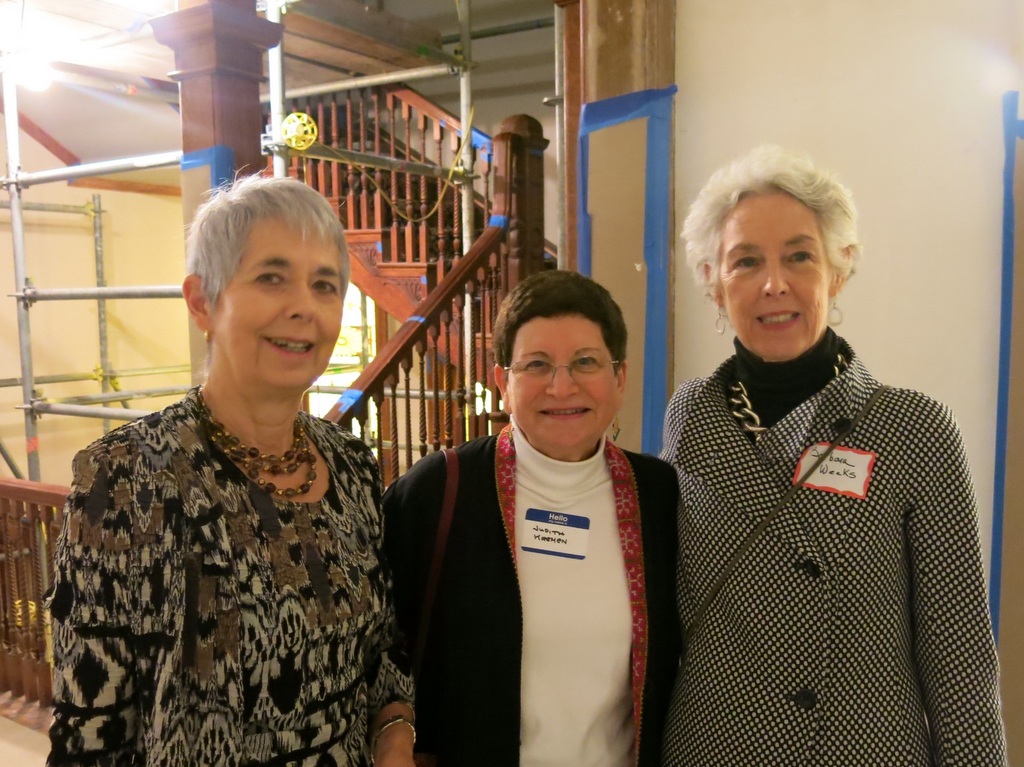
Many of our friends and supporters joined us this past Wednesday for a wonderful event at The Ivy Hotel to honor long-time Baltimore Heritage board member and historic preservation advocate Karen Lewand. The Karen Lewand Historic Preservation Fund provides support for a range of education initiatives at Baltimore Heritage from our heritage tours to our neighborhood history programs to our work with students in Patterson Park. The fund has more than doubled in size since its inception, thanks to generous donors and the dedicated staff and volunteers who plan and run our fundraising events and programs!

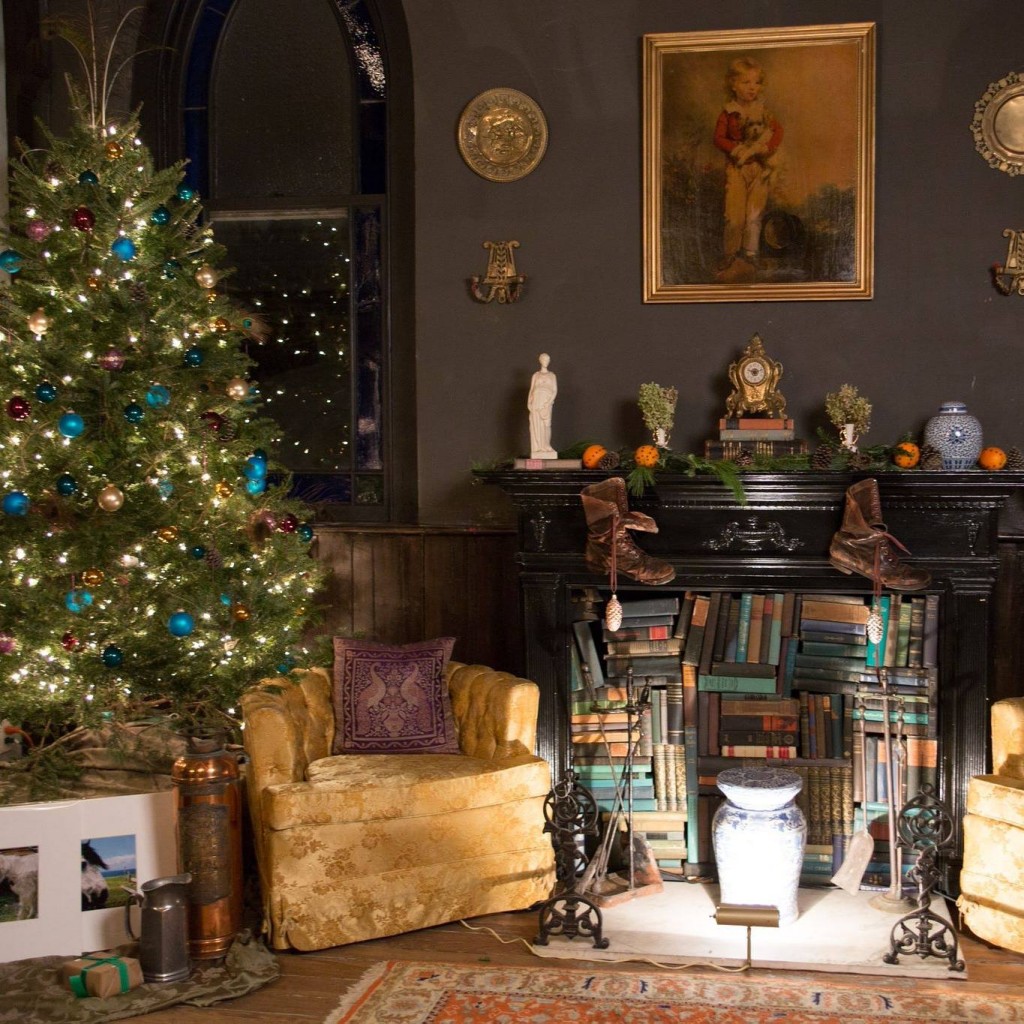
Photograph by Jeffery Kremen, 3 December 2014.

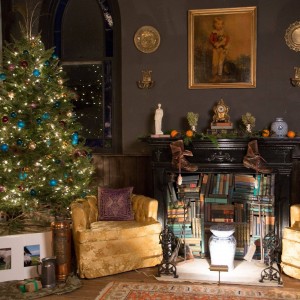
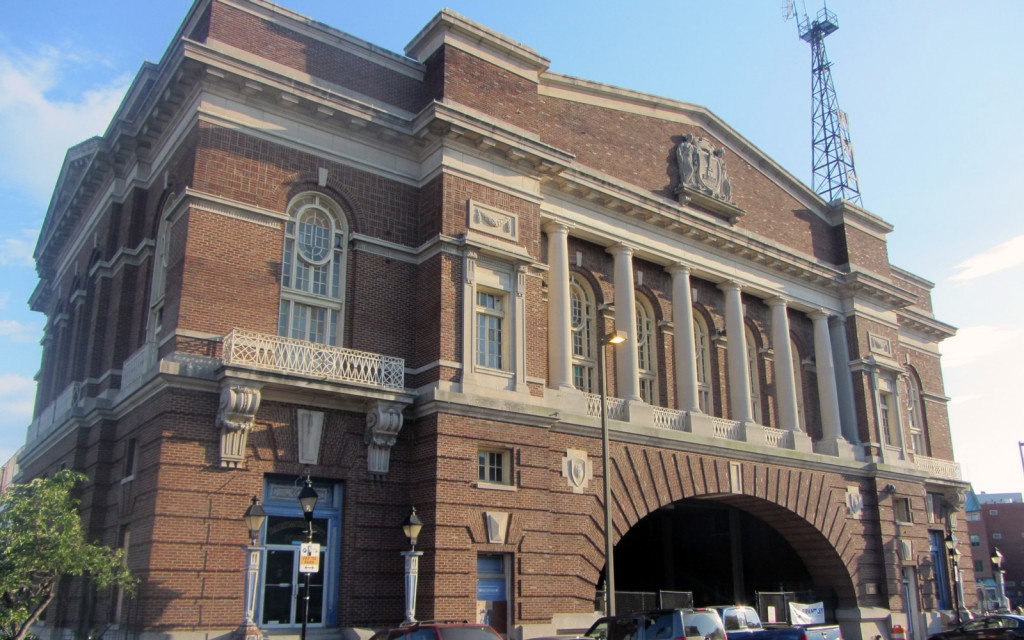
We’re thrilled to say that the Lewand Fund’s donor roster now includes the Azola family. Not only did Marty and Tony Azola host us at The Ivy but they also made a generous gift that same evening. The Ivy’s staff, including General Manager Rob Arthur and Executive Chef Mark Levy, gave us a preview of the beautifully appointed guest rooms, the fabulous spa (location off the back of the main house in the handsome addition designed by Ziger/Snead Architects) and the exciting Magdalena restaurant in the works.

The Ivy is going to be a show-stopper when it opens this spring and you can already learn more about the history of this landmark on Explore Baltimore Heritage. Thanks again, so much, to everyone who made this event so memorable!

Explore Baltimore Brick by Brick this Saturday and the Motor House next month

Thank you so much to everyone who came out last week to help us celebrate the legacy of Karen Lewand at the Ivy Hotel. Please help us continue to sustain and grow our educational programs with a donation to the Preservation Education Fund and by renewing your support as a member of Baltimore Heritage.

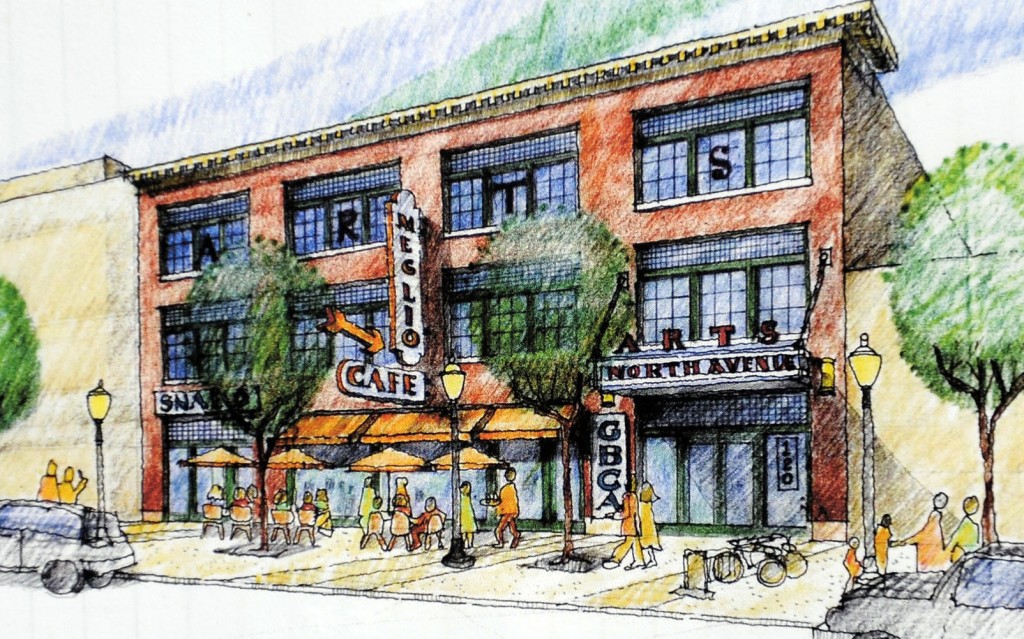
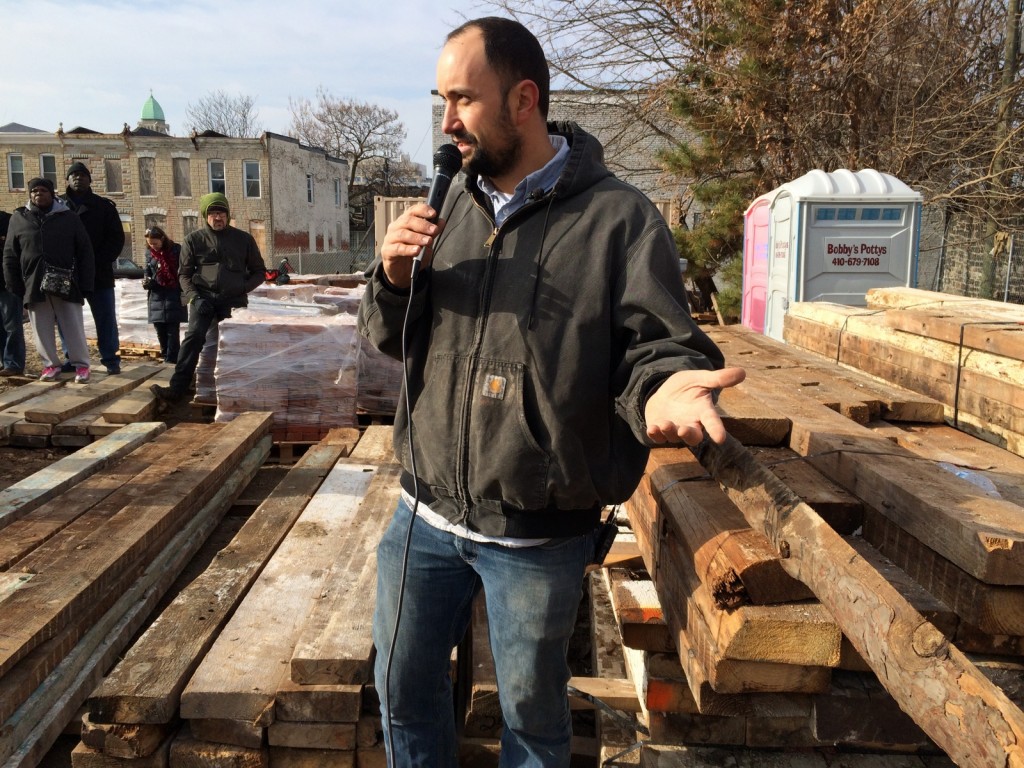
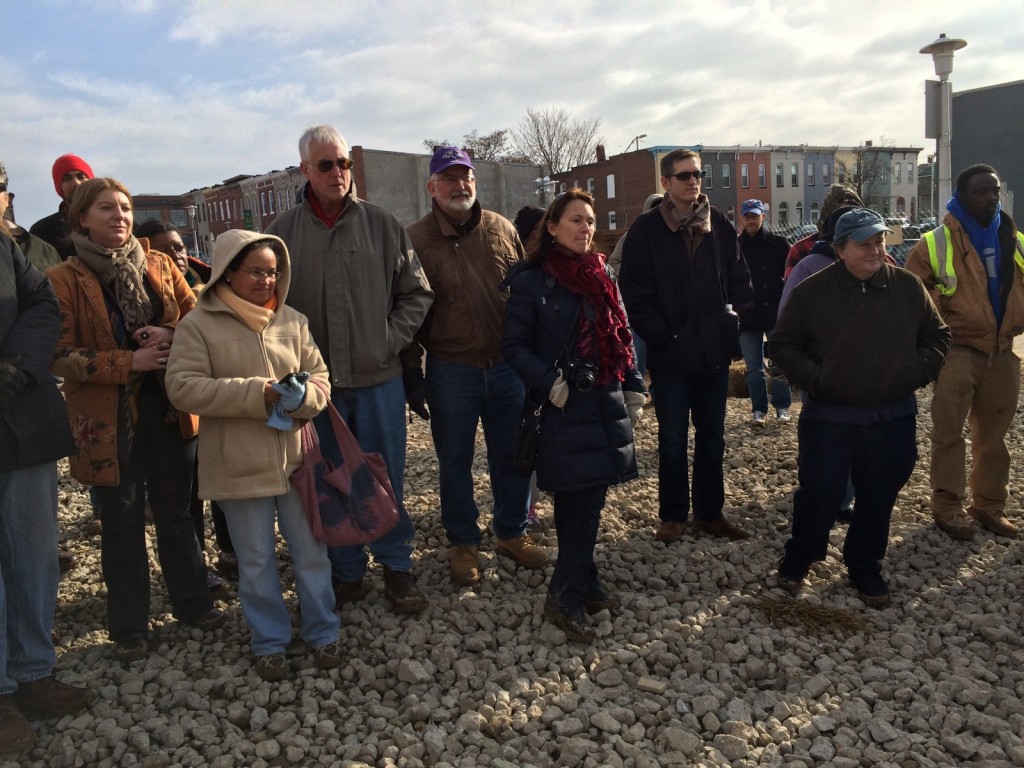
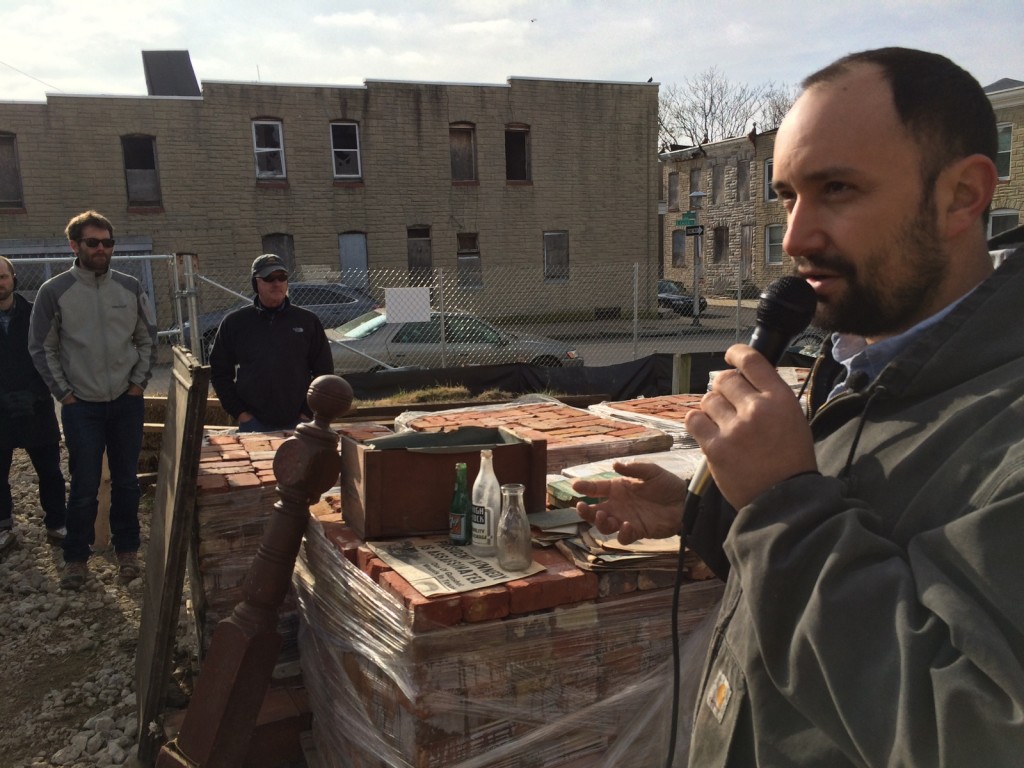
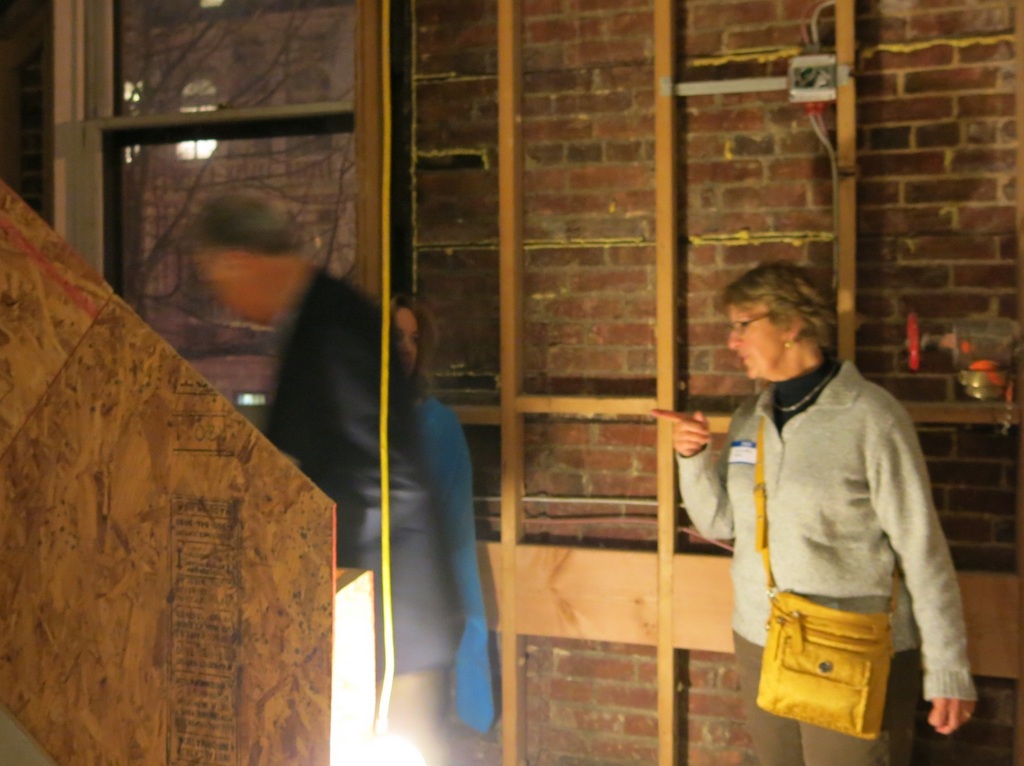
We are excited to announce a new tour this Saturday and another great tour coming up next month! On December 13, we’re going behind the scenes with Baltimore Brick by Brick and Details Deconstruction to see how deconstruction can help to preserve historic materials, create new jobs and contribute to the revitalization of historic neighborhoods. On January 6, we are headed to the former Load of Fun building on North Avenue where BARCO (the Baltimore Arts Realty Corporation) is hosting our pre-rehab tour of their Motor House project.

Even as fall turns into winter we are keeping busy with archeology and preservation projects. In Herring Run Park, we teamed up with a group of residents and volunteer archeologists on a search for the early history of Northeast Baltimore. We are also just starting work on a new initiative to identify and document landmarks associated with Baltimore’s long Civil Rights history. Learn more about the project and stay tuned for an exciting line-up of Civil Rights heritage programs and stories in the new year. Finally, our partners from the Greater Heritage Hampden Alliance helped us highlight the history of the Mayor’s Christmas Parade last week and they’re hosting their own seasonal celebration at the historic Church & Company this Friday.

Support the Red Line: Transportation is key for historic neighborhoods

For over five years, Baltimore Heritage has advocated for Baltimore’s Red Line light rail project and the positive impacts it offers for many of the city’s historic neighborhoods. Today, we are joining a broad coalition of nonprofits, businesses and community groups to ask for your help in supporting for this transformative project.

We believe that expanding public transportation is important for Baltimore’s revitalization and that the Red Line can be a powerful force in addressing vacant and underutilized historic buildings from Highlandtown to Harlem Park. In 2008, Baltimore Heritage committed to support the Red Line by signing the project’s “Community Compact” with dozens of other community organizations (PDF). In 2010, we expanded our commitment with the creation of our West Baltimore fieldwork program. Over the past four years, we have led tours, organized partnerships, and fought for strategic investments along the Red Line corridor, including at the Hebrew Orphan Asylum, American Ice Company, and Lafayette Square.

American Ice Company on Franklin Street, 1938. Courtesy Baltimore Museum of Industry, BGE 11708.

The Red Line has enormous potential to spur the reuse and rehabilitation of historic buildings, create new jobs and shape a brighter future for the residents of Baltimore’s historic neighborhoods. Learn more about the potential benefits of this project from Red Line Now.

We need your help to support the Red Line and Baltimore’s historic neighborhoods.

As new and returning elected officials begin to prepare for the General Assembly session in Annapolis this winter, please take a moment to reach out and share your support for the Red Line and historic preservation:

  • Send an email to Governor-elect Larry Hogan at info@hoganforgovernor.com and share your thoughts on what the Red Line means for the future Baltimore’s historic communities.
  • Send an email to your state senators and delegates and ask them to support or continue their support for the Red Line in the Maryland Legislature. You can look up your state senator and state delegates at MDElect.net.

To underscore the rich heritage and importance of the historic neighborhoods along the Red Line that we are working hard to save, we are excited to share our brand-new collection of digital and print publications: Landmarks on the Red Line. With printed brochures and digital tours, we are showcasing the history and architecture of this part of West Baltimore and hope to illustrate the importance of preserving historic buildings along  the Red Line corridor. Please explore our digital histories and pick up a neighborhood brochure at an upcoming Baltimore Heritage event.

Courtesy Union Memorial UMC.
Union Memorial United Methodist Church in Evergreen. Courtesy Union Memorial UMC.

Holiday house tours, Hampden heritage and the Mayor’s Christmas Parade

The holiday season has arrived and historic places are at the heart of how our city celebrates! This Saturday, you can explore the grand mansions of Reservoir Hill and Bolton Hill on the Mount Royal District Poinsetta Tour. Next weekend, you can discover the handsome rowhouses around Union Square for the 29th Annual Christmas Cookie Tour. Not to be outdone, Charles Village offers their 6th Annual Snowflake Tour of historic houses on December 21.

So among all these contenders which neighborhood can boast the most seasonal cheer? No one can top Hampden with the lights on 34th Street and the Mayor’s Christmas Parade coming up this Sunday, December 7. Last winter, volunteer and Greater Hampden Heritage Alliance organizer Nathan Dennies talked to long-time parade organizer Tom Kerr about the history of the event and came back with this story.

Photo of Tom Kerr, c. 1980. Courtesy the Greater Hampden Heritage Alliance.
Photo of Tom Kerr, c. late 1970s. Courtesy the Greater Hampden Heritage Alliance.

William Donald Schaefer approached Tom Kerr, head of the old Hampden Business Association, in 1972 to organize the Mayor’s Christmas Parade. The parade would be Schaeffer’s answer to the Hochschild-Kohn Toytown Parade which drew thousands of spectators for thirty years on Thanksgiving Day, but stopped running in 1966. Schaeffer wanted the parade to be held downtown but Kerr insisted on having it in Hampden.

Kerr hoped the parade would bring positive attention to Hampden. The Mount Vernon Mill Company closed its last remaining mill in Hampden-Woodberry that year, marking the end of the textile industry in the area. The first parade was far more modest than the department store extravagance of the Toytown parade. Kerr was only able to secure a single Santa Claus float and six marching bands. Nonetheless, the parade drew a large crowd and was considered a success. As of 2013, Kerr has been organizing the event for forty-one years.

Every year the parade elects a Grand Marshall. Past prominent figures to hold the title include baseball legend Brooks Robinson in 1978, and more recently, John Astin, famous for his role as Gomez in The Addams Family. Schaeffer made a number of appearances as mayor and came back as Grand Marshall after becoming governor. In 1980, spectators were baffled to see his yellow Cadillac moving toward Thirty-sixth Street without him. The convertible left while he was giving a speech and he quickly darted across the street, ran through an alley, and ducked under a police barrier to cut off the ride for his own parade.

Find the end of the story on Explore Baltimore Heritage. You can enjoy Hampden history and a special holiday celebration next Friday with the Greater Hampden Heritage Alliance Christmas party and fundraiser! Tickets will help support the adaptation of the new self-guided walking tour brochure into a tour for Explore Baltimore Heritage along with a traveling exhibit on Hampden history. Learn more details and register today. Please share your own ideas on how to celebrate the holidays with history in the comments.

Poly and Western Marching Bands, 4 December 2011. Photo courtesy Spinstah/Flickr (CC BY-NC-SA 2.0).

Looking for Archeology in Herring Run Park? Ask big questions to find tiny artifacts

We’re glad to share this post from local archeologist Lisa Kraus about a new project we’ve been working on this fall: archeology in Herring Run Park! Lisa and her husband, Jason Shellenhamer, along with volunteers from the Northeast Baltimore History Roundtable have made some exciting finds in just the past few weeks. Read on for Lisa’s reflections on our progress and learn more about archeology in Baltimore.

My husband Jason and I moved to Northeast Baltimore in 2012, and were immediately intrigued by the tantalizing little glimpses of history we saw all over our neighborhood. We spotted a few 19th-century farmhouses sitting a little askew on the predominantly 20th-century landscape. We heard stories about an old pickle factory that once sold pickles for a nickel, right down the street from our house. We spotted a one-room schoolhouse that had been expanded into a social club, and an old stone mill building built into a hillside. We walked through the 19th-century German Lutheran cemetery nestled in the center of Montebello Park. While walking our dogs, we found Hall’s Spring and the shell of the old Eutaw Methodist Church in Herring Run Park, and wondered about the vanished communities those facilities once served.

Photograph by Bryson Dudley, 10 October 2011. Courtesy Monument City Blog.

Since we’re both archeologists and share a persistent curiosity about the past, we started looking at historical maps of Baltimore and trying to reconcile them with the modern landscape. We spent weekends at the archives doing research. It became clear that our neighborhood had a deep history, with European- and African-American settlements dating back to the 1600s and 1700s, and the possibility of prehistoric occupation stretching back thousands of years. To our surprise, we found that very little archaeology has been done in our neighborhood and we started thinking about how we could change that.

Photo by Lisa Kraus, November 2014.
Jason head-deep in a shovel test-pit. Photo by Lisa Kraus, November 2014.

Through some sort of cosmic serendipity, right about the time Jason and I started talking about starting an archaeology program in our neighborhood, the Northeast Baltimore History Roundtable approached Baltimore Heritage about starting a public archaeology project in Herring Run Park. After meeting with both groups and coordinating with the Friends of Herring Run Parks and the Baltimore City Department of Recreation and Parks, we set out for the park to see what we could find.

We were searching for sites that could tell us something new, something we couldn’t learn from books, maps or other records. After all, written history often reflects the interests and concerns of a limited group of people. Many wealthy and influential people called Baltimore home over the years, but most of the city’s former residents left few written records behind. Archeology is one of the best ways to learn more about the lives of the poor, the working classes, immigrants, women, children, free and enslaved African Americans, and Native Americans.

Photograph by Lisa Kraus, November 2014.

Very little is known about early residents of Northeast Baltimore. Who worked at the mills, the hotels and taverns, the farms that existed here in the 1800s? Who were the earliest immigrant settlers in the area, and where did they live? Were there Native American settlements and camps here? What were the lives of all these early residents like, and how did they influence the area that eventually became Greater Lauraville? How has the neighborhood changed over time, and what has stayed the same?

Over the last few months, we’ve discovered sites in Herring Run Park that could answer many of these questions, and raise many more. We’re looking forward to working with our partners, neighbors, students and volunteers as we make more discoveries, and we hope you’ll join us!

Thank you to Lisa for her commitment to the Herring Run Park Archeology project. Don’t forget to check out Jason’s research on the early history of Eutaw Farm in Herring Run Park with historic maps and images. Stay tuned for more updates (including volunteer opportunities) in the next few months!