Year: 2010

Behind the Scenes Tour of the Irish Shrine at Lemmon Street

Diminutive but nationally significant, Baltimore’s Irish Shrine at Lemmon Street offers a rare glimpse of immigrant home life in America in the middle of the 19th century. Please join us for a tour of the Shrine, two restored 1848 alley houses in the Hollins Market neighborhood, with our hosts from the Shrine and its affiliate, the Railroad Historic District Corporation.
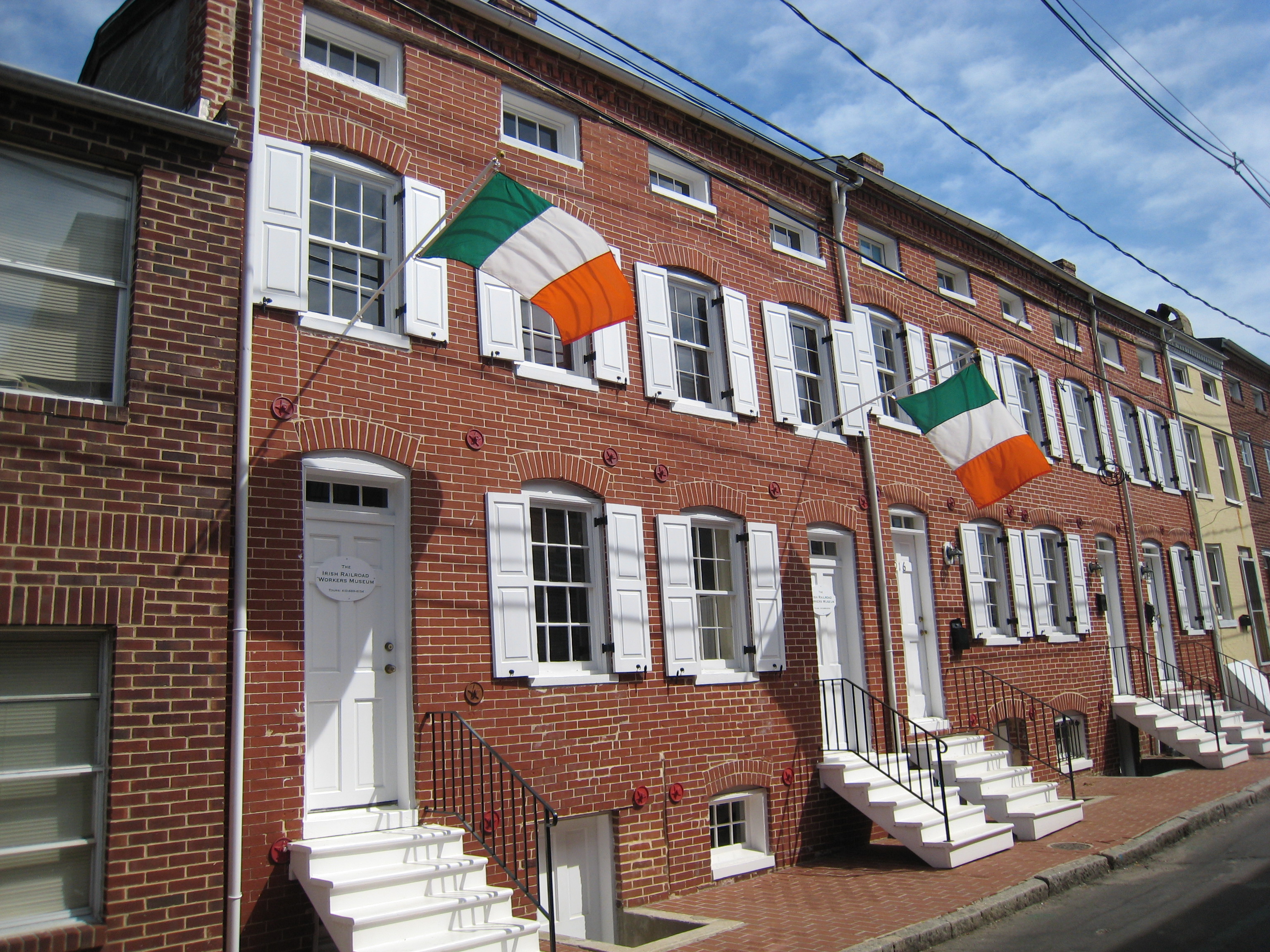
Image courtesy Jack Breihan

Tour Information

Dates: Wednesday, June 23, 2010 / Thursday, June 24, 2010
Time: 5:30 to 6:00 PM wine and cheese reception
6:00 to 7:00 PM tour
Place: 900 Lemmon Street – one block north of the B&O Railroad Museum
Parking is available along nearby streets
Cost: $15 (includes wine and cheese reception)
Registration: Click Here to Register
Read more
Baltimore Building of the Week: Italianate Rowhouses

Our Baltimore Building of the Week series from Dr. John Breihan returns with Italianate Rowhouses, the second entry in our three part series on Italianate Rowhouses,

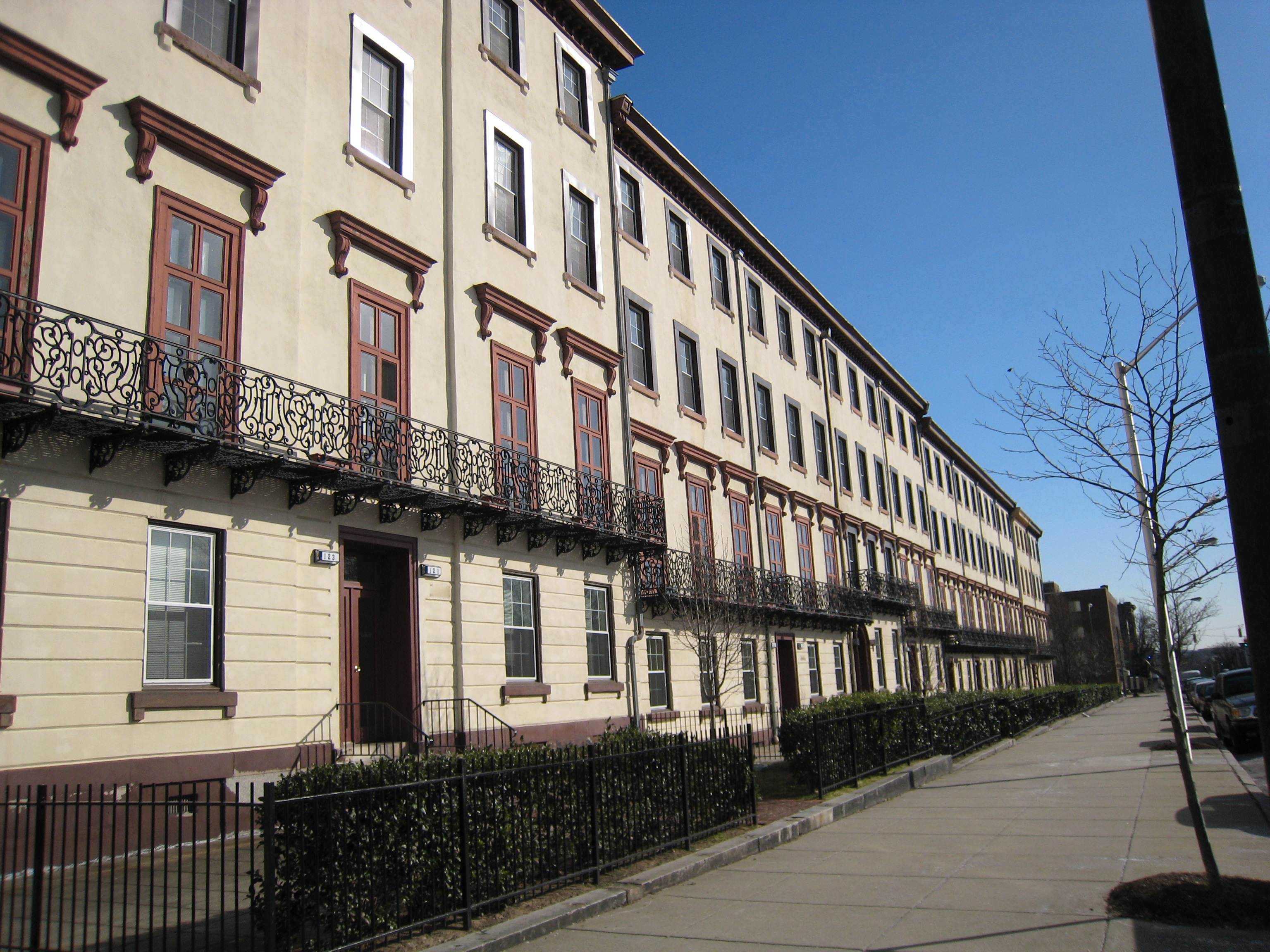
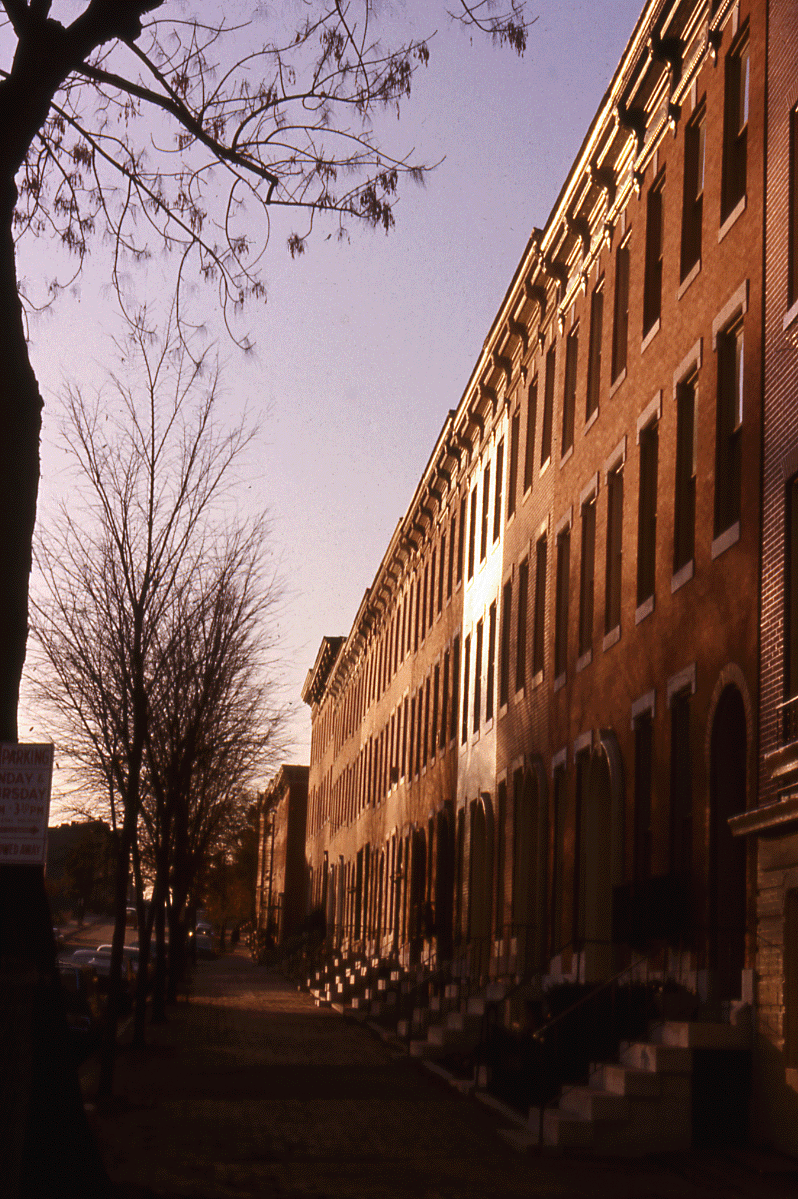
Franklin Square, image courtesy Jack Breihan

Italianate rowhouses, popular in Baltimore from the 1850s until the 1880s and beyond, were particularly suited to long, uniform rows beneath uniform carved cornices. They formed stately “street walls” around Baltimore’s squares and along principal thoroughfares like Broadway. Pictured here are Waverly Terrace, circa 1850, on Franklin Square, and the north side of Union Square, circa 1880. The latter contains the home of the Sage of Baltimore, Henry Mencken, now owned by the City of Baltimore.

Union Square, image courtesy Jack Breihan

Baltimore Building of the Week: Italianate Rowhouse

This week’s edition of the Baltimore Building of the Week series from Dr. John Breihan comes a few days late as we finalize preparations for our 50th Anniversary Celebration this Friday. Please join us for the open house tours on Mount Vernon Place at 4:30 PM or for an evening of Preservation Awards, dinner, and dancing starting at 6:30 PM. This single Italianate rowhouse is the first in a three week long focus on Italianate rowhouses in Baltimore,

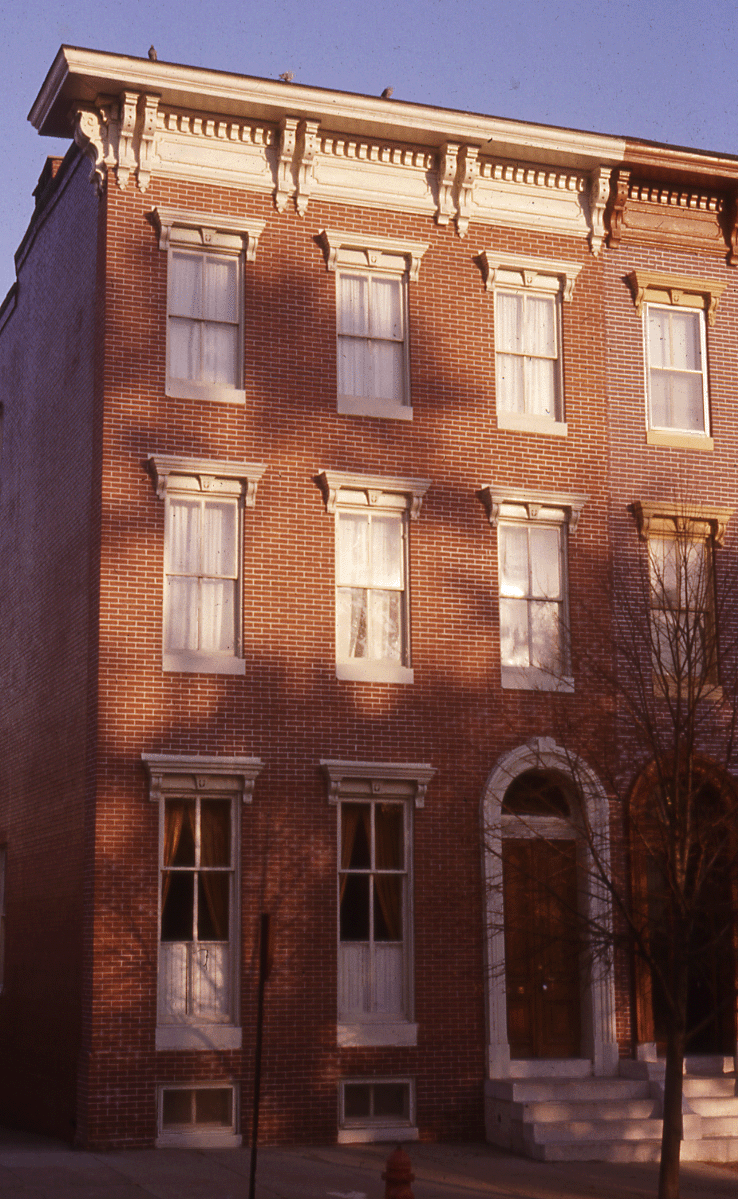
Image courtesy Jack Breihan

The heavy carved wooden cornice of this rowhouse was based on the palaces of the great trading families of the Italian Renaissance – the Medici, for example. Perhaps the adoption of this “Italianate” style reflected the booming commerce of a growing Baltimore. At any rate, from the 1850s on, Italianate became the most popular architectural style in Baltimore for the next four decades. Unlike the semi-fortified houses of the Renaissance elites, Italianate rowhouses featured huge windows, increasingly taking advantage of advances in glassmaking that replaced multi-paned windows with window frames incorporating extensive sheets of glass, sometimes triple hung for extra height. Arched doorways were approached by white marble steps. Italianate houses could be either brick or stone. But carved wood cornices crowning flat or shed roofs always remained the hallmarks of this style.

Baltimore Building of the Week: Octagon Houses

This week’s Baltimore Building of the Week from Dr. John Breihan is an unusual dwelling type that can be found throughout the country– the Octagon Houses inspired by Orson Squire Fowler. More information on this fascinating example of American vernacular architecture can be found in the Octagon House, 1850-1860 by Deborah Holmes.

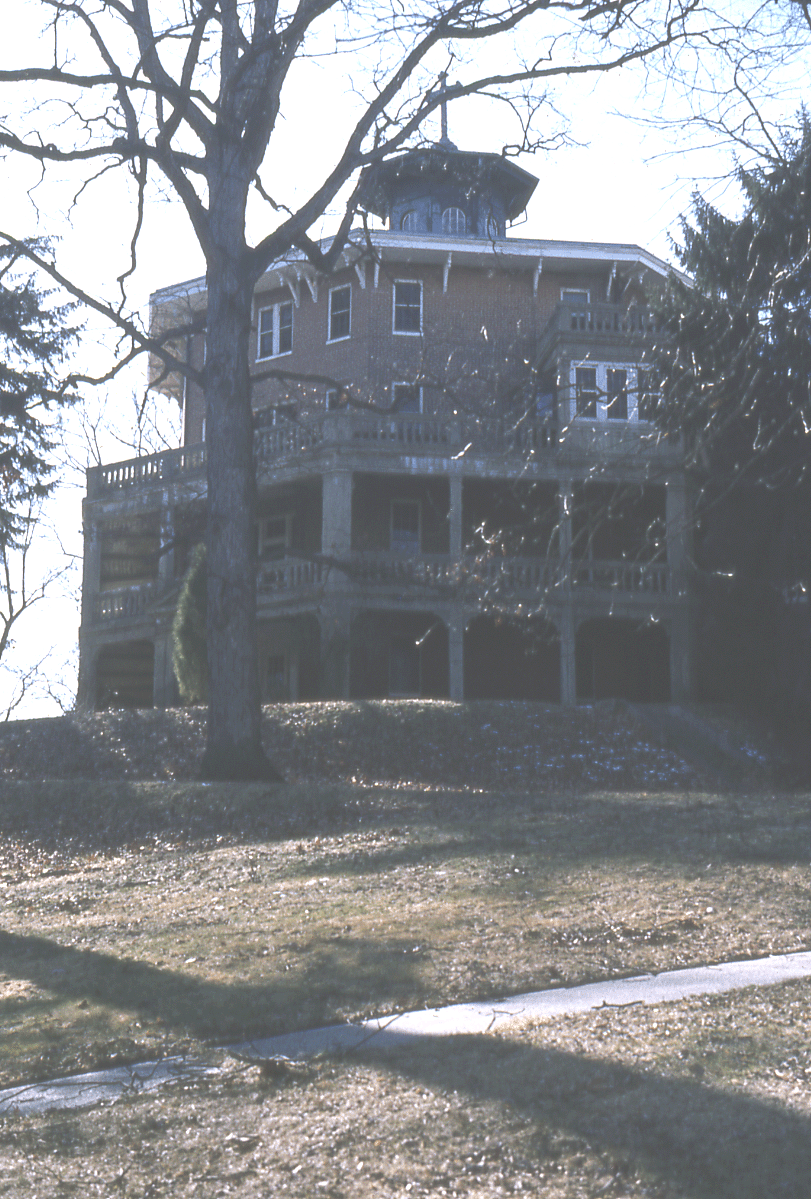
Mt. Washington, courtesy Jack Breihan

In 1848 the polymath Orson Squire Fowler of upstate New York (presumably not related to Baltimore’s Lawrence Hall Fowler) published A Home for All, a book extolling an octagonal floor plan as the most desirable residence. Later editions also extolled a primitive form of concrete construction. In this era of eclectic architecture, other free-thinkers were inclined to try it out. There is a particularly fine single-family octagon in Lutherville. Within today’s city limits, Rev. Elias Heiner of the German Reformed Church built an enormous octagon for the Mt. Washington Female Seminary, which occupied it between 1855 and 1861. For about a century the hilltop octagon housed Mount St. Agnes College, until it merged with Loyola University in the 1970s. It now is part of the Mt. Washington Conference Center. Across Smith Avenue at the foot of the hill stand two unusual octagon duplexes (demi-octagons?), reflecting perhaps a Baltimore tendency to turn anything into a rowhouse.

Read more