Read on for the second post in a new series from local preservationist Auni Gelles as she works on our new Battle of Baltimore website and soon-to-be-launched app. Auni interviewed Amanda Shores Davis, the Executive Director of the Flag House, about this museum’s unique and little-known collections.
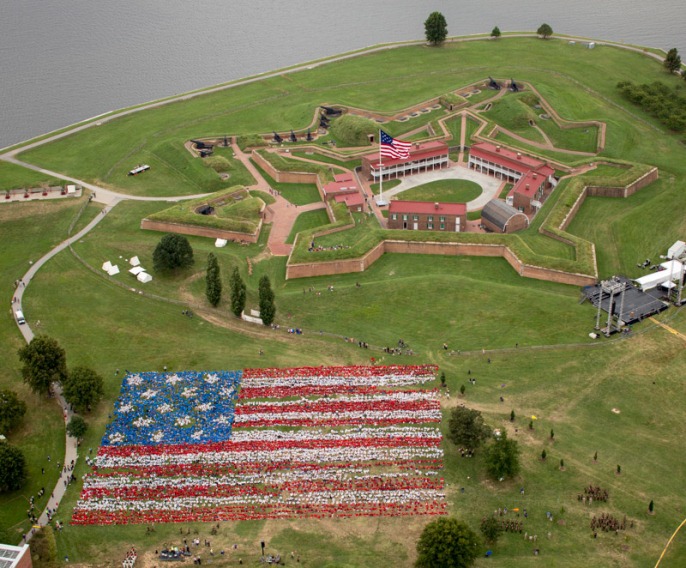
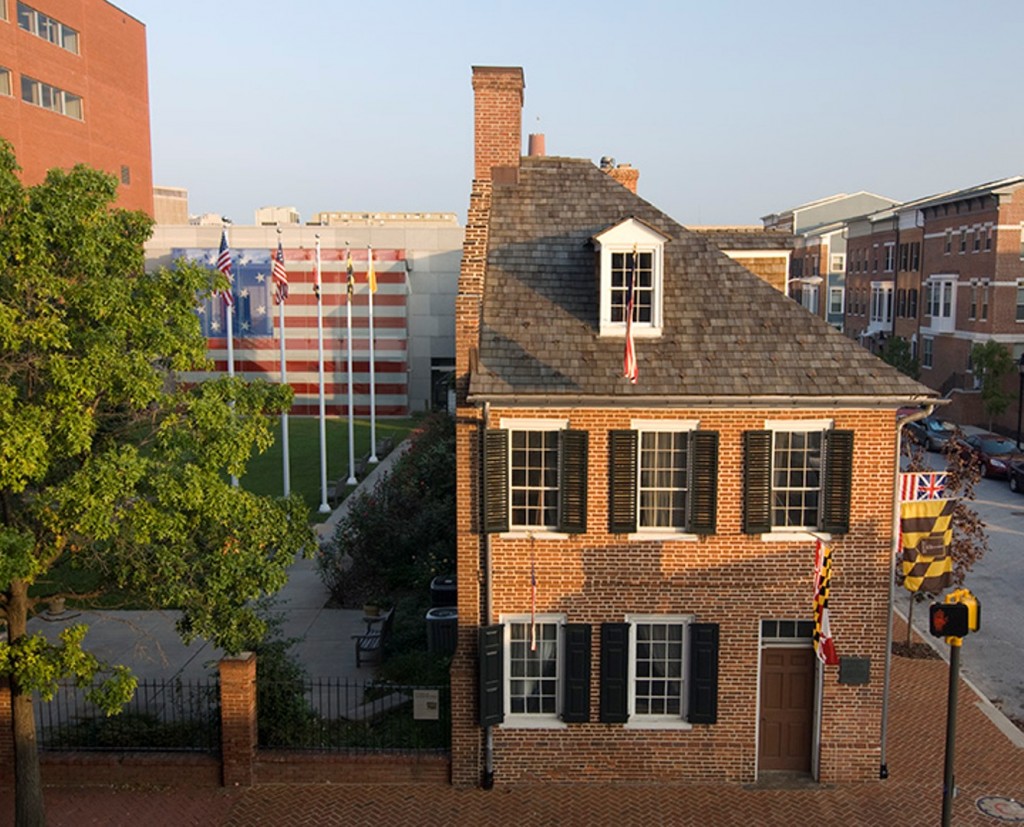
If you have an interest in the Battle of Baltimore, you’ve no doubt visited the Star-Spangled Banner Flag House on Pratt Street. (And if you haven’t, now is a great time to check it out!) The 1793 brick house became the home and business of flagmaker Mary Pickersgill in 1806, seven years before she was commissioned to sew the enormous flag that flew over Fort McHenry during the Battle of Baltimore. The house’s proximity to the busy harbor helped to make her business creating ships’ colors and signal flags quite stable. Mary stitched the soon-to-be-famous Star Spangled Banner and a smaller storm flag in seven weeks over the summer of 1813 with the help of her mother (and fellow flagmaker) Rebecca Young, daughter Caroline, nieces Eliza and Margaret Young, and Grace Wisher, an African American indentured servant.
The city of Baltimore purchased the house in 1927 and it has served as a museum for the past 88 years. A new permanent exhibit at the Flag House entitled “Family of Flagmakers: The Women Who Created the Star-Spangled Banner” explores the lives of these women.
In addition to the historic house, a contemporary museum building, and landscaped grounds, the Flag House is home to a collection of archival materials related to the Battle of Baltimore and the Star-Spangled Banner. Amanda Shores Davis, the Executive Director of the Flag House, took some time to answer my questions about this little-known but valuable collection.
Auni: Some Baltimoreans may be aware of the historic house and museum building but not the collections at the Star-Spangled Flag House. What types of materials are held here? How large is the collection?
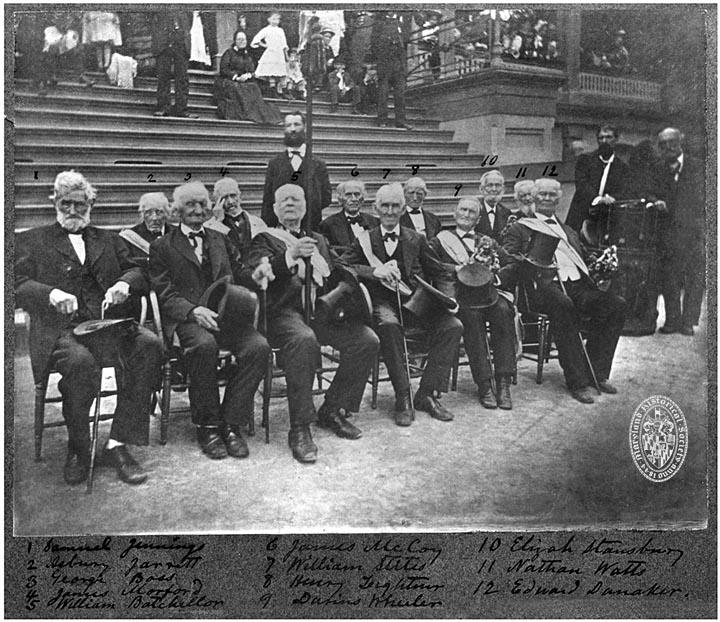
Amanda: The Flag House holds a collection of 19th century decorative arts (the majority are from the early part of the century, 1800-1820), memorabilia from celebrations in recognition of the Star-Spangled Banner, Old Defenders, and Baltimore anniversaries, and War of 1812 military items. There are also small holdings of primary source documents (city directories, letters, periodicals) and WWI and WWII posters. We have roughly 1,000 items in the collection. This does not include the archaeological materials found in 1996 and 1998.
Auni: How did these objects/documents end up at the Flag House? Were they donated by descendants, purchased/donated by individuals, or acquired by the city?
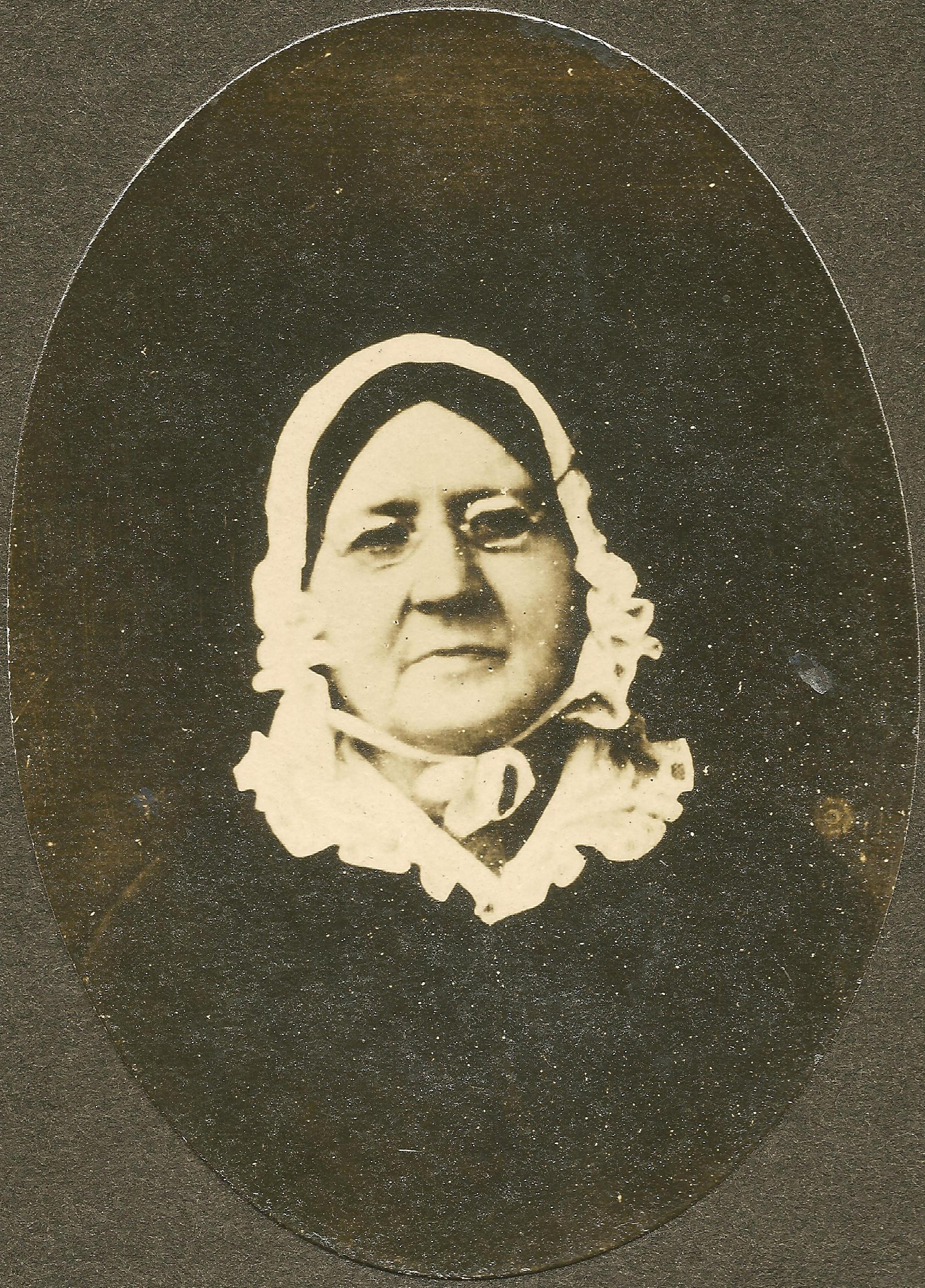
Amanda: Collections items have come to the Flag House in a variety of ways. The one of the first administrators, the Ruth Bibbins, who purchased or collected many of the furnishings for the house. Some items have been gifted over the years and some items have come to us as permanent loans from institutions that are no longer operational. Very few items have been donated by descendants of Mary Pickersgill. Her daughter Caroline Pickersgill Purdy was childless so few things have come to us by the descendents of Mary’s sister Hannah.
Auni: Is the collection accessible to researchers?
Amanda: We are currently undergoing reorganization of the collection, cataloging, and status reports so for now the collection is not open to researchers—although that is the end goal, and to add our online catalog to the website.
Auni: What artifact or document is most surprising, in your opinion?
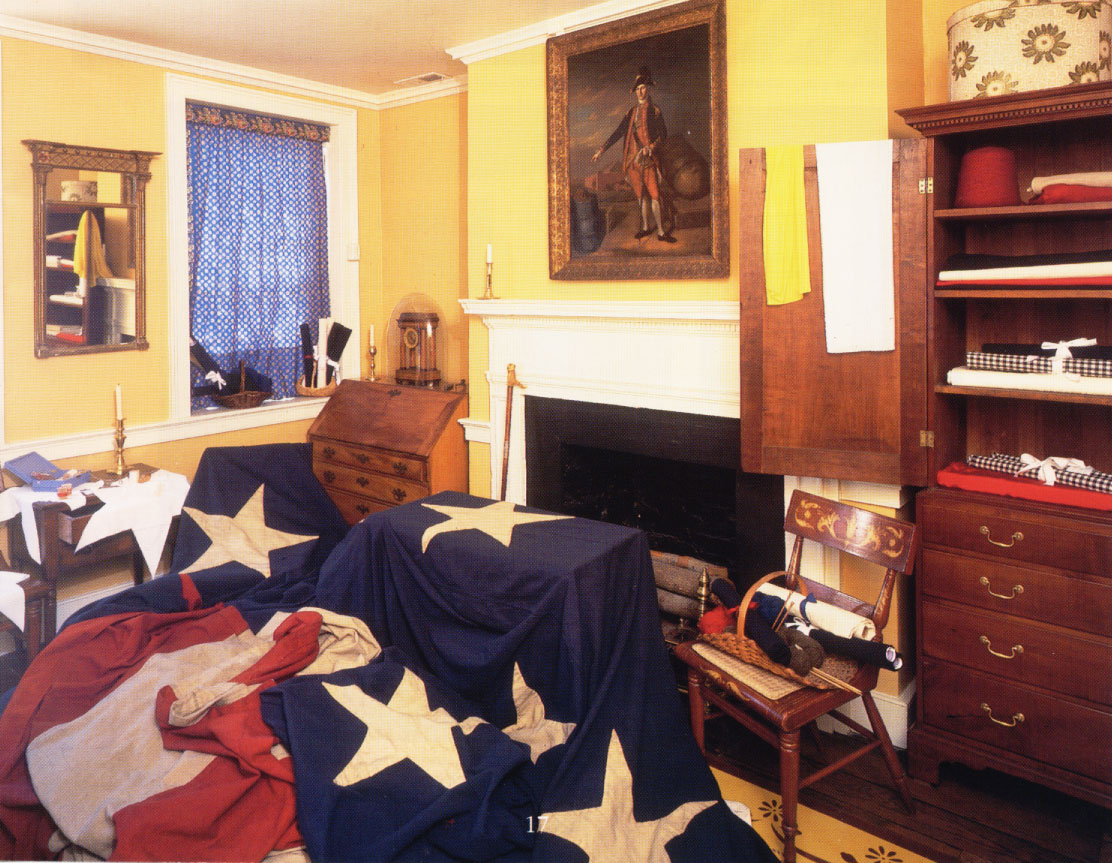
Amanda: The most surprising item in the collection is the receipt for the Star-Spangled Banner for the fact that it even exists. There is little to no documentation of the flag making business aside from advertisements in city directories. We have two key documents that sort of create bookends to Mary’s career as a flag maker: the first is the [flag] receipt from 1813, six years after the establishment of the business in 1807 and obviously her most famous commission. The second is an 1815 receipt for what we consider to be one of the last flags made by Mary. The receipt is for an American ensign 15 x 24.5 feet, for $120, commissioned in February 1815. It dates to the period in which Mary stops making flags before the marriage of her daughter, Caroline, to iron merchant, John Purdy.
Auni: Are there any objects/documents related to Grace Wisher in the collection?
Amanda: There are no objects related to Grace Wisher, the only evidence I believe anyone has been able to locate about Grace is her indenture contract, which is not part of our collection.
Auni: I know there was some archaeological work conducted at the Flag House a number of years ago. What were some of the most interesting finds of those digs?
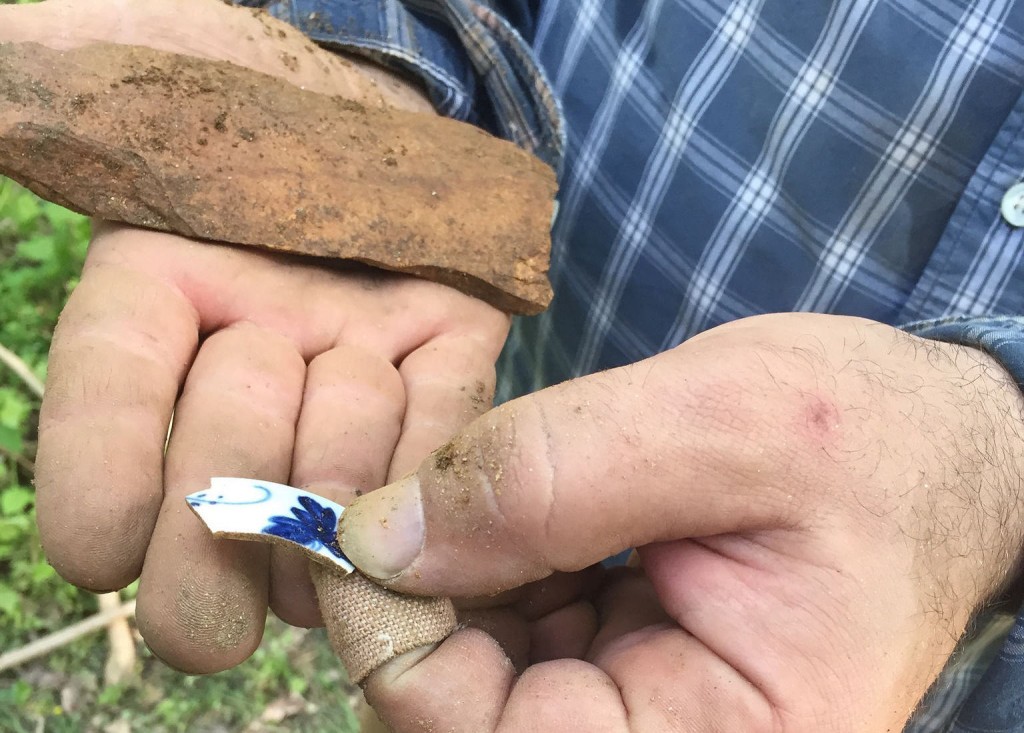
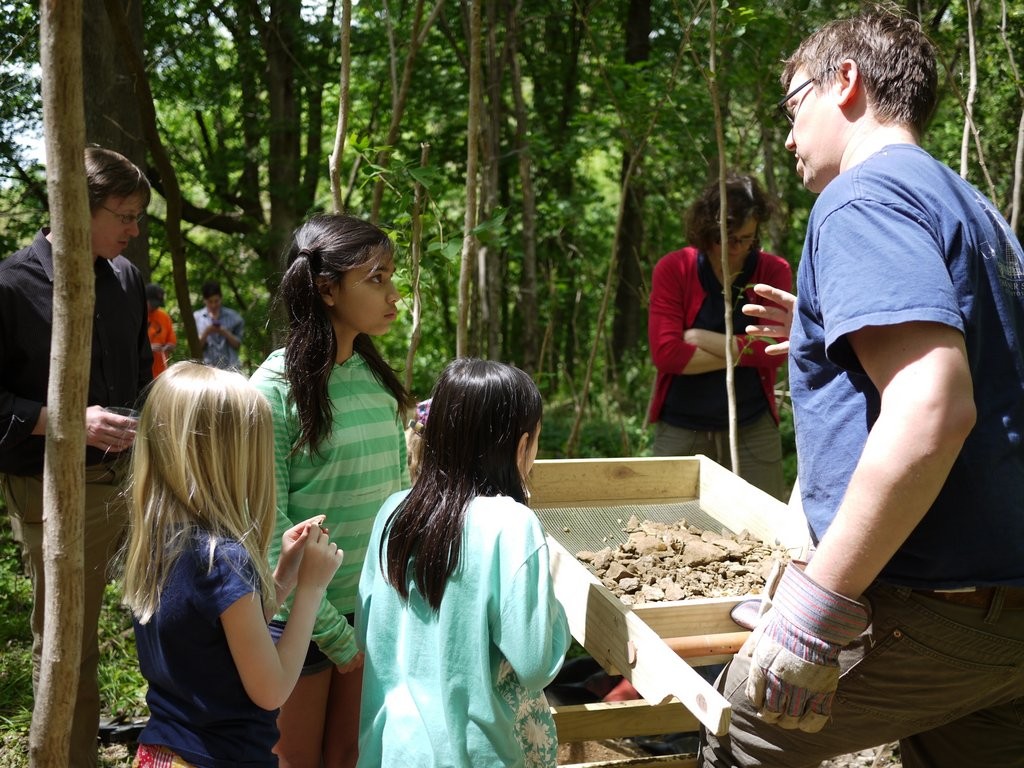
Amanda: This is probably my favorite part of the collection. There is one box of objects from the dig under the kitchen floor conducted in 1996. Everything from beer bottles to a lady’s hair comb. The 1998 dig conducted by the Baltimore Center for Urban Archaeology uncovered over 15,000 unique items. The majority of the items were preserved and mostly intact due to the use of the privy and beehive oven being used as trash disposal areas. I specifically included a case in our new exhibit to showcase some of these items to tell the history of the house itself and because there was so much cool stuff!
For me as a decorative arts historian some of the best items are intact utilitarian objects like yellow ware bowls and a decorative candy dish because they were so well-preserved and are great educational tools to talk about material culture and life in the 19th century. A close second would be the remnants of a thimble and pair of scissors that the archeologist located in the old foundation of the oven and date to the period when Mary lived in the house.
Auni: Thank you, Amanda, for taking time to share the collection with us!