Year: 2010

Baltimore Building of the Week: Family and Children’s Services

This week’s Baltimore Building of the Week from Dr. John Breihan is a Gothic cottage used by Family and Children’s Services of Central Maryland.
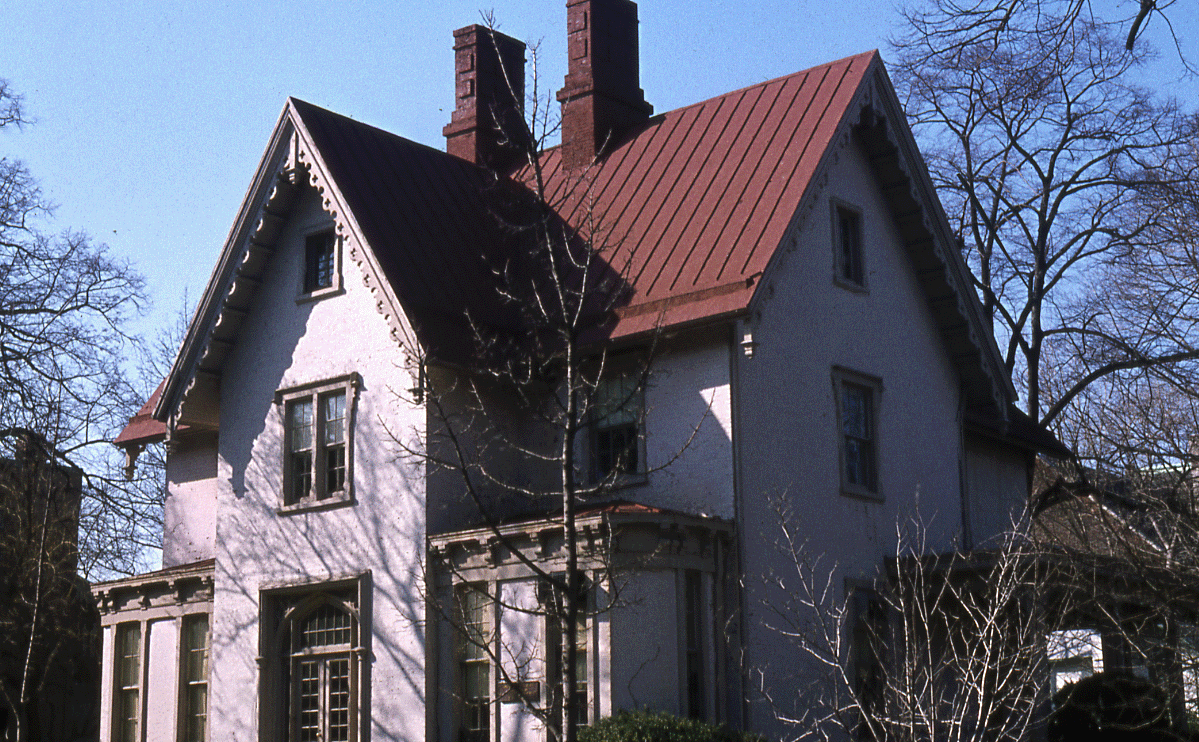
Image courtesy Jack Breihan

The early Gothic Revival style did not lend itself to rowhouse design, but steep-gabled cottages, sometimes with bargeboarding or “gingerbread” moldings often appear along older road and turnpike routes out of Baltimore. A particularly pretty example, on Lanvale Street in Bolton Hill, has long been used and maintained by the Family and Children’s Services of Central Maryland. Originally designed by Robert Cary Long, Jr., in 1848, it also features bay windows added by Edmund G. Lind in 1862 and a side porch by Lawrence Hall Fowler in 1915.
Behind the Scenes Tour of the Town Theater

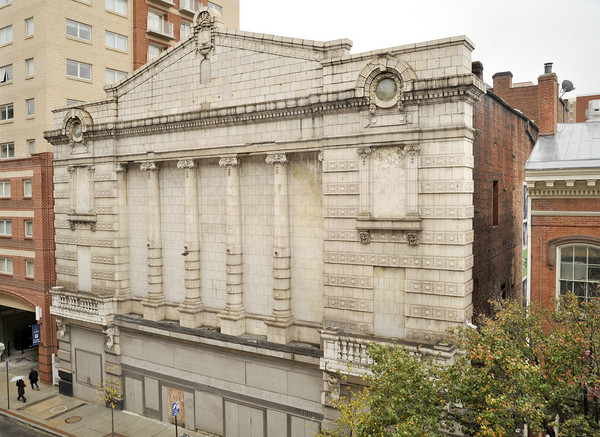
The only theater in Baltimore (perhaps the entire country) to go from a theater to a parking garage and then back to a theater, the historic Town Theater has a long and colorful history with burlesque, vaudeville, and cinema. Work has just begun for its newest life as the future home of the Everyman Theatre, which is moving from its location on Charles Street. Please join us and Everyman director Vincent Lancisi for a tour of the historic Town Theater midway through its transformation.

Image courtesy Baltimore Sun/Amy Davis, 2009

Tour Information

Date: Wednesday, May 5, 2010
Time: 5:30 to 6:30 p.m.
Place: 315 West Fayette Street
(Between Howard and Eutaw, one block from the Hippodrome)
Parking is available in nearby lots, or better yet, take the Light Rail!
Cost: $10
Registration: Click Here to Register

Read more

Baltimore Building of the Week: Greek Revival Rowhouses

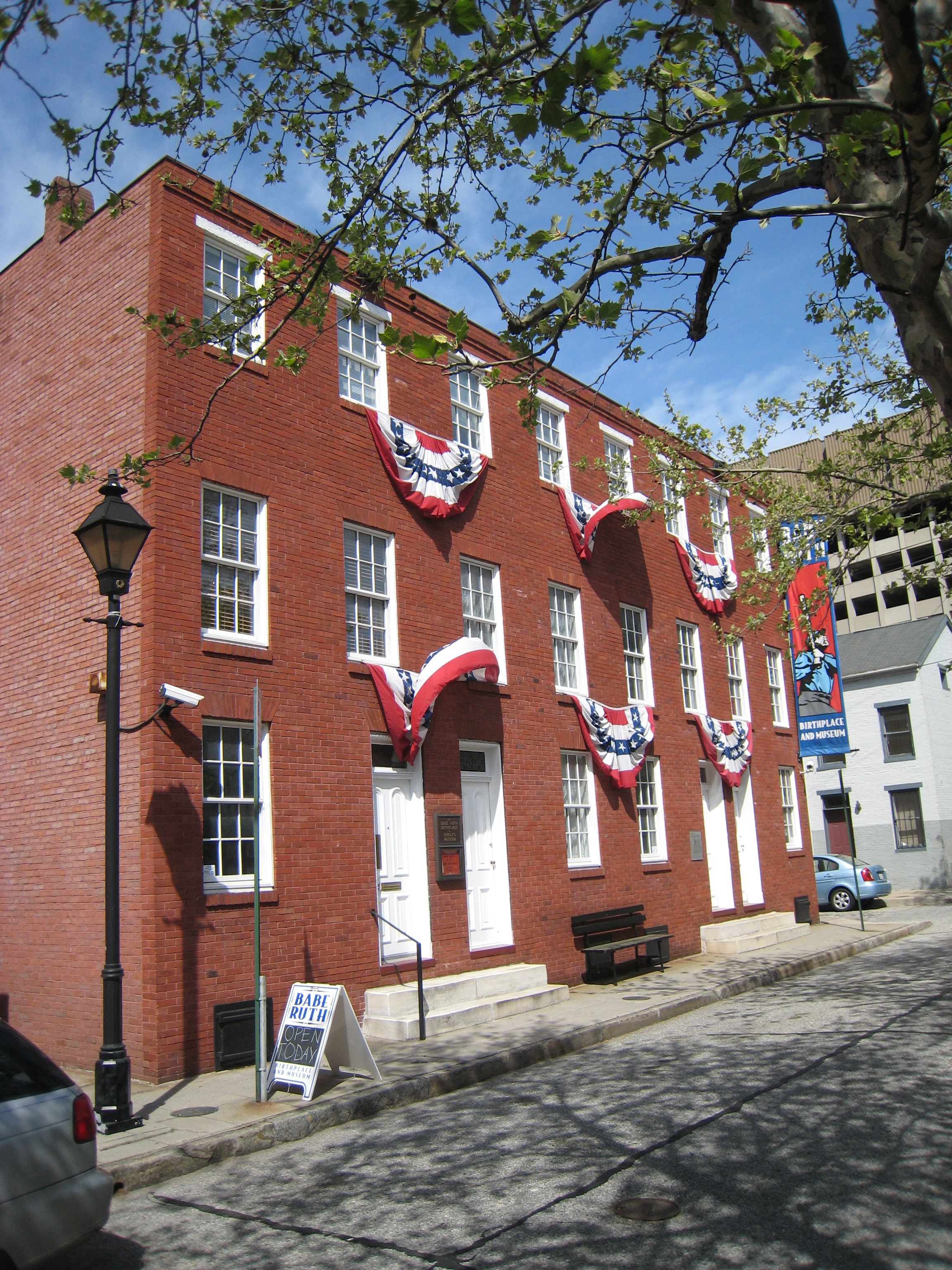
This week in the Baltimore Building of the Week series from Dr. John Breihan features the Irish Shrine and Railroad Workers Museum on Lemmon Street and the Babe Ruth Birthplace on Emory Street.

Lemmon Street, courtesy Jack Breihan

The popularity of the Greek Revival in Baltimore was not limited to churches and schools; it also produced a new design for the city’s ubiquitous rowhouses. Greek Revival rowhouses dispensed with the dormer window of the older federal style. Instead, the top half-story was lit by a square “attic” window beneath a less steeply gabled roof. From grand examples in Mount Vernon to humble 2 ½ story houses in Fells Point and Federal Hill, Greek Revival rowhouses dominated from 1830 or so until 1860. Two examples saved from demolition and open to view are the Irish Shrine and Railroad Workers Museum on Lemmon Street and the Babe Ruth Birthplace on Emory Street.

Babe Ruth Birthplace, courtesy Jack Breihan

Baltimore Building of the Week: Gothic Revival Churches

This week’s Baltimore Building of the Week from Dr. John Breihan are two Gothic Revival churches from architect Robert Cary Long, Jr.– the St. Alphonsus Catholic Church and New Unity Church Ministries, historically known as as the Franklin Street Presbyterian Church.

St.Alphonsus/Image courtesy Jack Breihan

At the same time as he was designing Greek Revival temples for immigrant Catholic and Jewish worshipers, the eclectic architect Robert Cary Long, Jr., also worked in the Gothic Revival. At St. Alphonsus Catholic Church (1845) and the Franklin Street Presbyterian Church (1847 – now New Unity Church Ministries), Long’s Gothic designs were more assured than Godefroy’s seminary chapel four decades earlier. St. Alphonsus, intended for Baltimore’s German Catholics, was based on medieval German hall churches; Franklin Street Presbyterian on Tudor-era architecture in England. In both cases, the church walls were originally coated in gray stucco intended to look like stone. Removing the stucco reveals pleasing pastel bricks, but also exposes them to deterioration that may threaten the long-term integrity of these fine churches.

Read more

Baltimore Building of the Week: St. Peter the Apostle Church

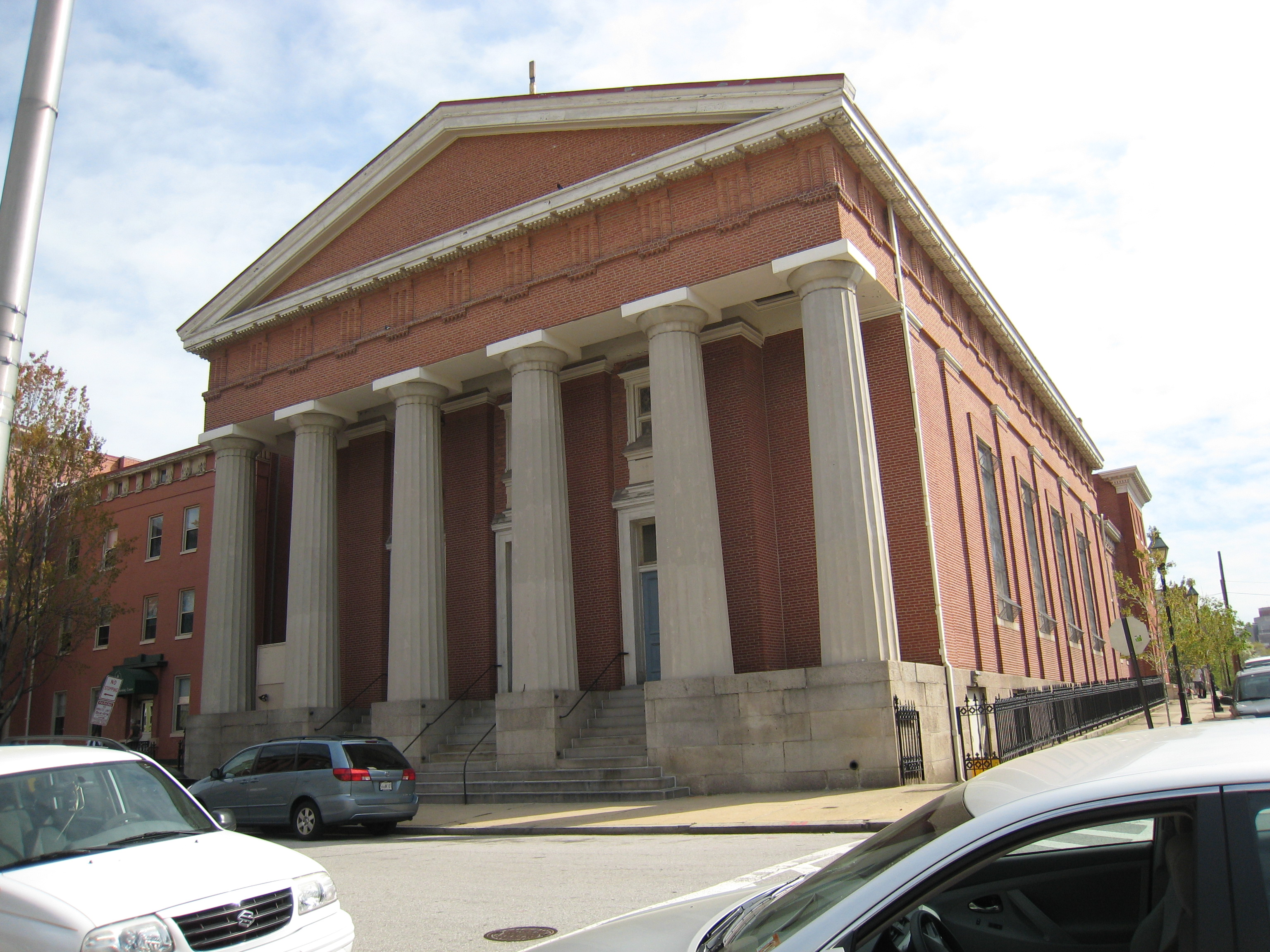
This week’s Baltimore Building of the Week arrives one day late, but with two buildings from Dr. John Breihan instead of one. The first of these two Greek Revival churches is St. Peter the Apostle Church built in 1843 at South Poppleton and Hollins Streets.

Image courtesy Jack Breihan

Nothing shows 19th-century Baltimore’s eclectic taste in architectural styles better than the churches erected by the city’s Roman Catholics. Their Cathedral (now the Basilica) was neoclassical, as were the first two parish churches, St. Patrick (demolished in 1897) and St. Vincent de Paul. St. Mary’s Seminary chapel was gothic. Here at St. Peter the Apostle, completed in 1842, the style is Greek revival. The first Catholic parish on the West Side, St. Peter’s was meant to serve immigrant Irish workers at the nearby B & O Railroad shops. Perhaps as a nod to “Jacksonian democracy,” the church is a brick version of an austere Athenian temple, with six white wooden Doric columns supporting a large pediment. The designer was the fashionable local architect Robert Cary Long, Jr. Three years after completing St. Peter’s, Long used the same Greek style on the East Side of town for another immigrant congregation, the Lloyd Street Synagogue. While the synagogue has been preserved as part of the Jewish Museum of Maryland, St. Peter’s is threatened by the lack of ongoing activity. The Transfiguration Community, combining three West Side parishes, recently consolidated worship in just one church, St. Jerome’s.

Read more