
Public Art Baltimore is a new partnership to connect individuals and organizations committed to celebrating and preserving Baltimore's public art, outdoor sculpture, and murals to network and collaborate in new ways.
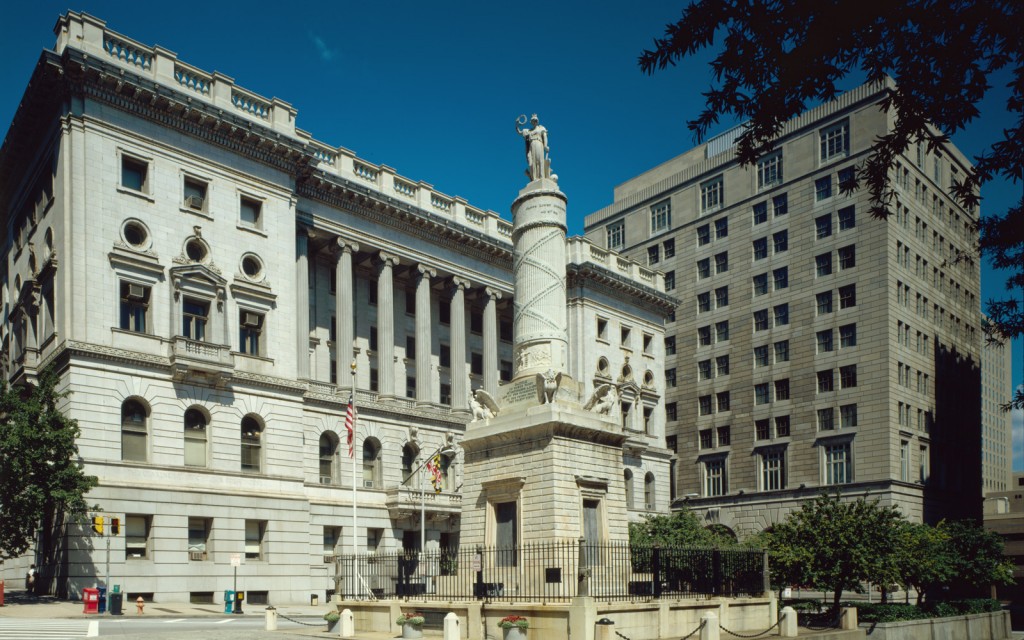
Public Art Baltimore is a new partnership to connect individuals and organizations committed to celebrating and preserving Baltimore's public art, outdoor sculpture, and murals to network and collaborate in new ways.
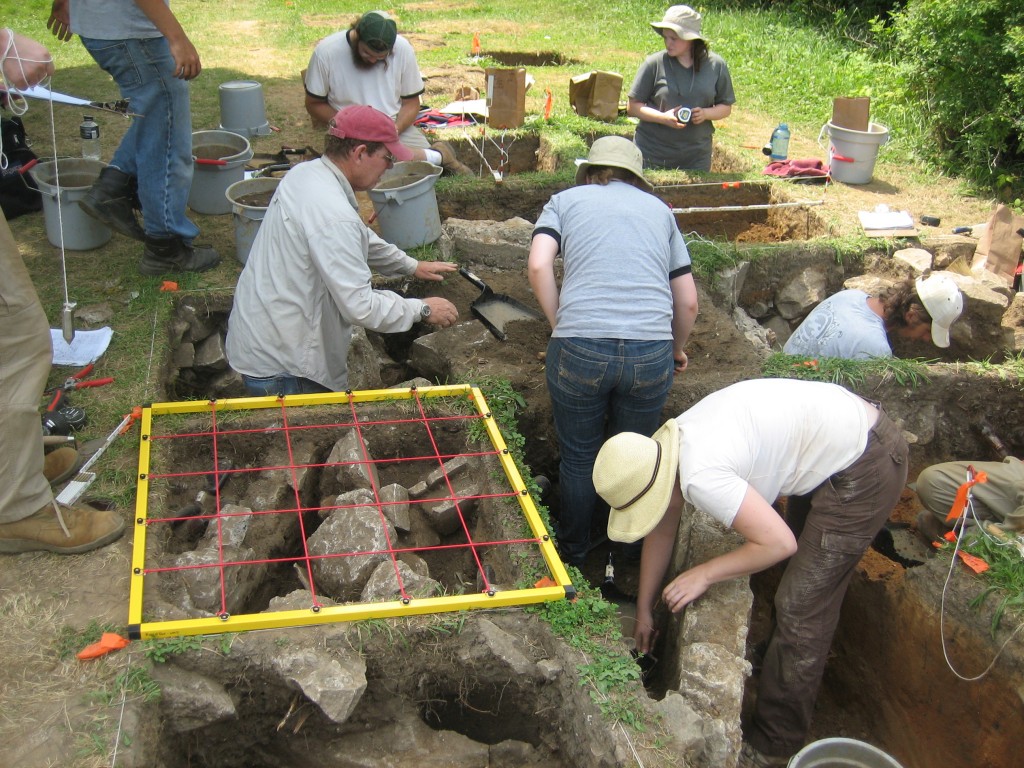
From 2009 to 2011, the Archaeology of Labor and Immigration Project at the University of Maryland led by Stephen Brighton conducted three archaeological field schools in the small quarry town of Texas in Baltimore County, Maryland, a source for lime as well as marble used in notable buildings such as the Washington Monument and the Capitol.
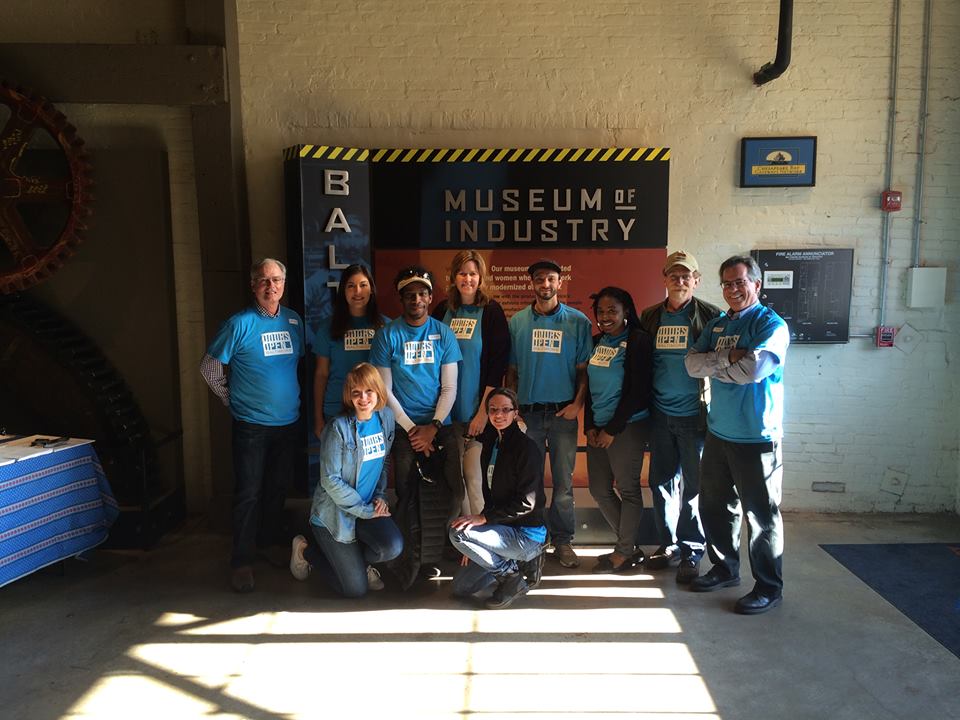
In October 2015, Baltimore Architecture Month will host the second-annual Doors Open Baltimore. This one-day free event welcomes the public to tour buildings passed by regularly, but not often entered.
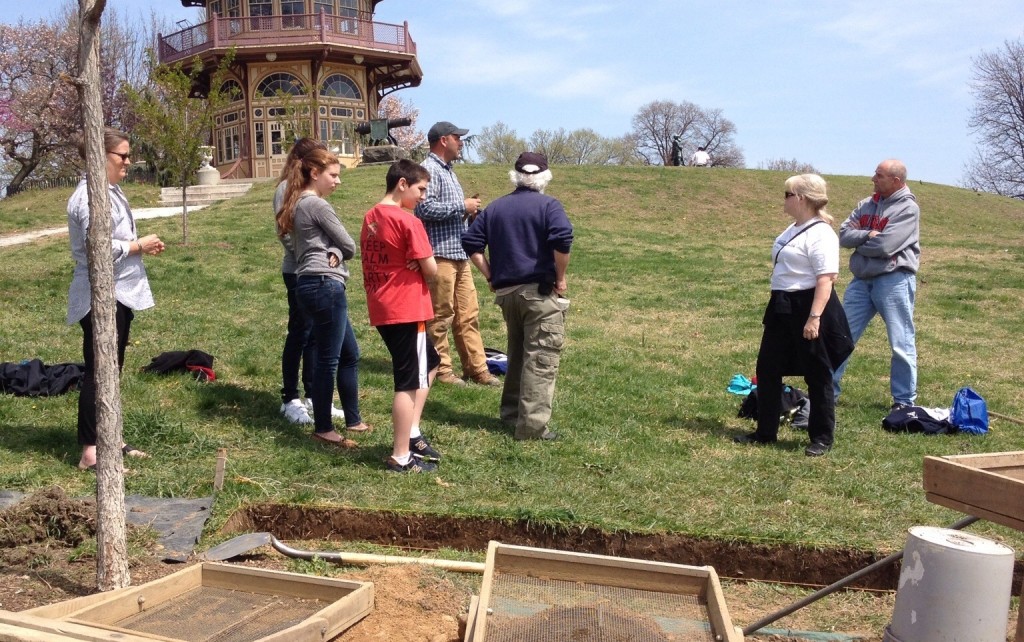
Patterson Park, known as Hampstead Hill in the early 1800s, was the site of Baltimore’s major defensive position against a British land invasion in the War of 1812. With funding from the Maryland Heritage Area Authority and the National Park Service American Battlefield Protection Program, Baltimore Heritage completed an archaeological investigation of Patterson Park in spring 2014.
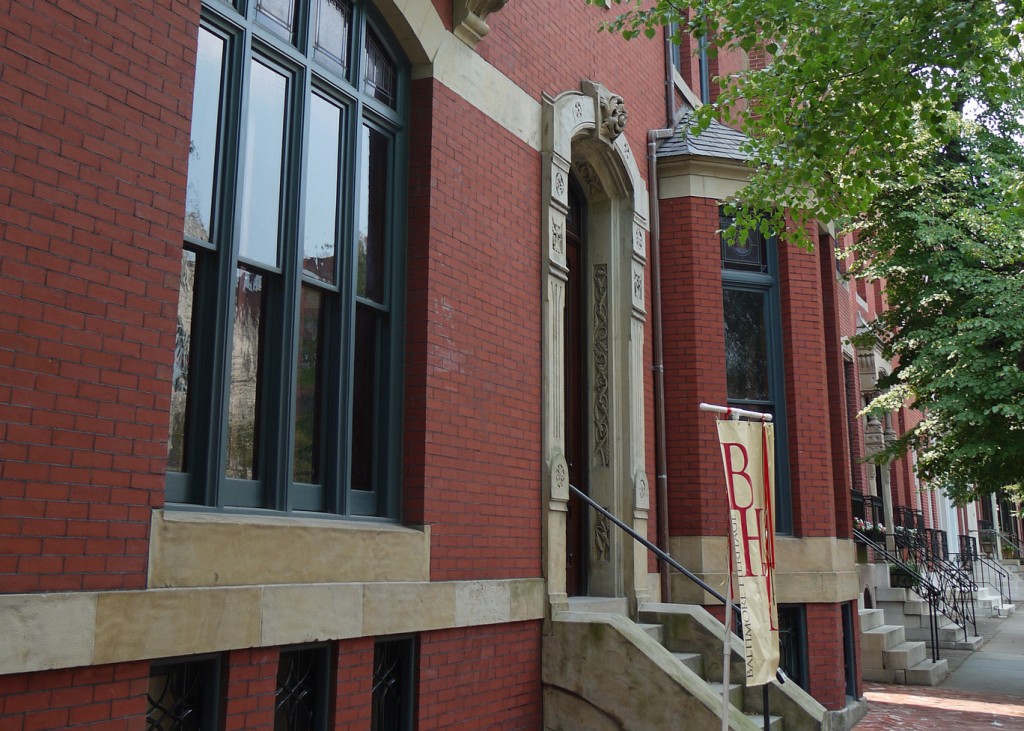
The residential enclave of Bolton Hill rivals in significance Boston's Beacon Hill and New York's Brooklyn Heights, throughout its 150 years attracting some of Baltimore's most distinguished residents. Modeled after London's Blue Plaques, Bolton Hill's current residents have proudly marked the homes of its most distinguished past residents.