
Month: April 2010

Baltimore Building of the Week: McKim’s Free School

This week’s Baltimore Building of the Week from Dr. John Breihan is McKim’s Free School at 1120 East Baltimore Street,
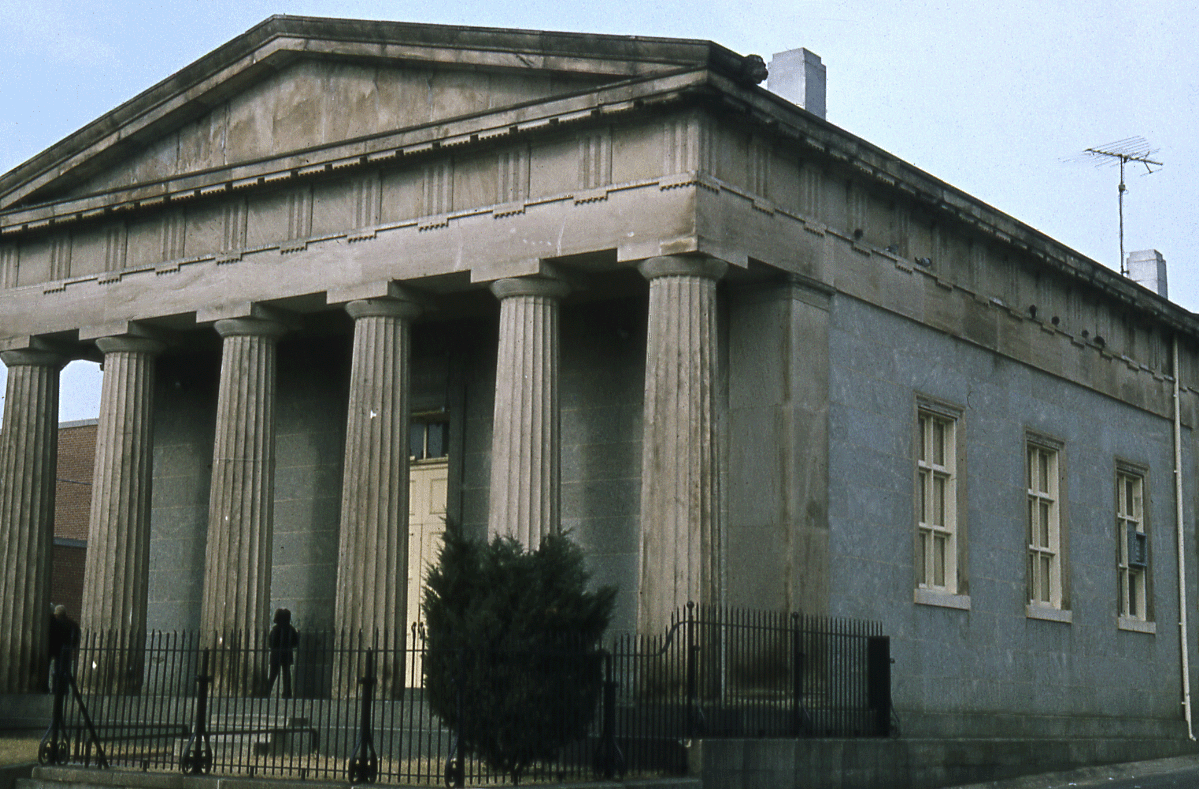
Image courtesy Jack Breihan

“Democracy” became a byword for American society in the late 1820s, as property requirements for white, male voters were repealed, and the decidedly un-aristocratic Andrew Jackson was elected President. In architecture, this meant returning to the styles of ancient democracy in Athens. A remarkably fine example of this Greek revival is the McKim Free School on East Baltimore Street. John McKim, a wealthy merchant and a member of the nearby Old Town Friends Meeting, instructed his two sons to establish a school for poor children. The building they erected in 1835 was clearly intended as a monument of democracy. The small school, only 40 by 60 feet, boasted an elaborate (and expensive) stone portico and pediment in the Greek Doric order. Today, a nonprofit foundation preserves both McKim’s concern for disadvantaged youth and his sons’ classical monument.
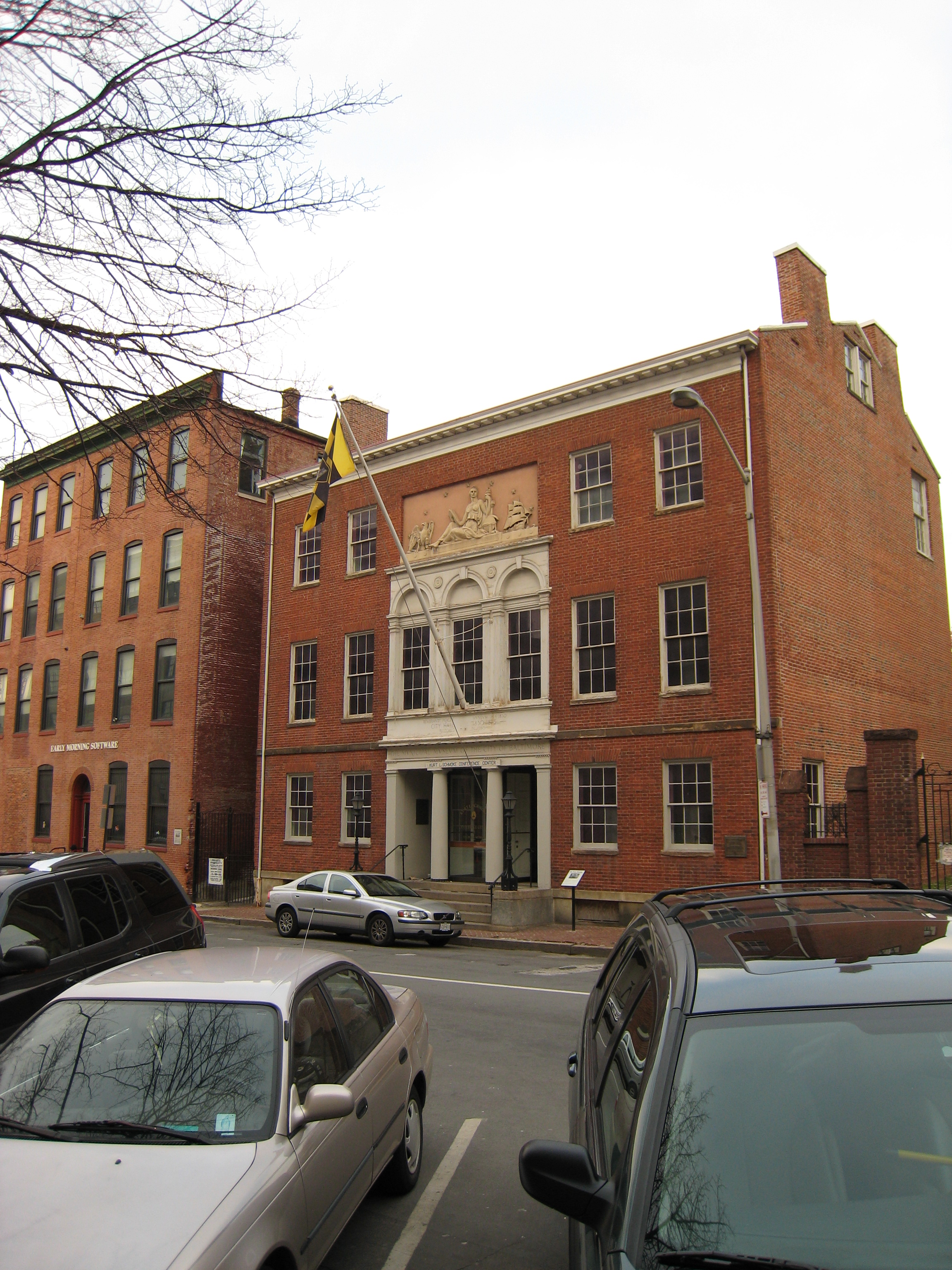
Baltimore Building of the Week: Peale Museum

This week’s Baltimore Building of the Week is the first building in the Western Hemisphere designed and built as a museum, the Peale Museum.

Image courtesy Jack Breihan

Another industry to make an early start in Baltimore was the museum. In 1801, the artistic Peale family (father Charles, sons Rembrandt, Raphaelle, Reubens, and Titian) opened the first American museum in borrowed or rented quarters in Philadelphia. In 1814, Rembrandt Peale commissioned this federal-style museum in Baltimore – the first purpose-built public museum in the Western hemisphere. On display were scientific exhibits like the excavated skeleton of a prehistoric mastodon as well as paintings and curiosities. In 1830, the museum closed, and the building began 45 years service as Baltimore’s City Hall. Later it served as Colored Elementary School No. 1. After restoration in 1928 it once again became a museum, this time of Baltimore municipal history. In 1976 the Peale became part of the underfunded Baltimore City Life Museums, the financial collapse of which was the greatest disaster for the city’s history since the Great Fire. Largely vacant since City Life folded in 1997, the city-owned Peale Museum is the locus of a proposal to open a center for local history organizations.